 KOCENT OPTEC
The Digital Frontier: Optical Networking in the Democratic Republic of the Congo
The Democratic Republic of the Congo (DR Congo) represents one of Africa's most rapidly evolving telecommunications frontiers. As the second-largest country by landmass on the continent, bridging connectivity across Kinshasa, Lubumbashi, Goma, and Matadi requires massive, ruggedized backbone infrastructures. In recent years, the landing of major undersea fiber optic cables, including the West Africa Cable System (WACS), Google's Equiano, and the 2Africa network at Moanda, has dramatically increased the availability of bandwidth. However, translating this subsea capacity into inland connectivity poses significant challenges.
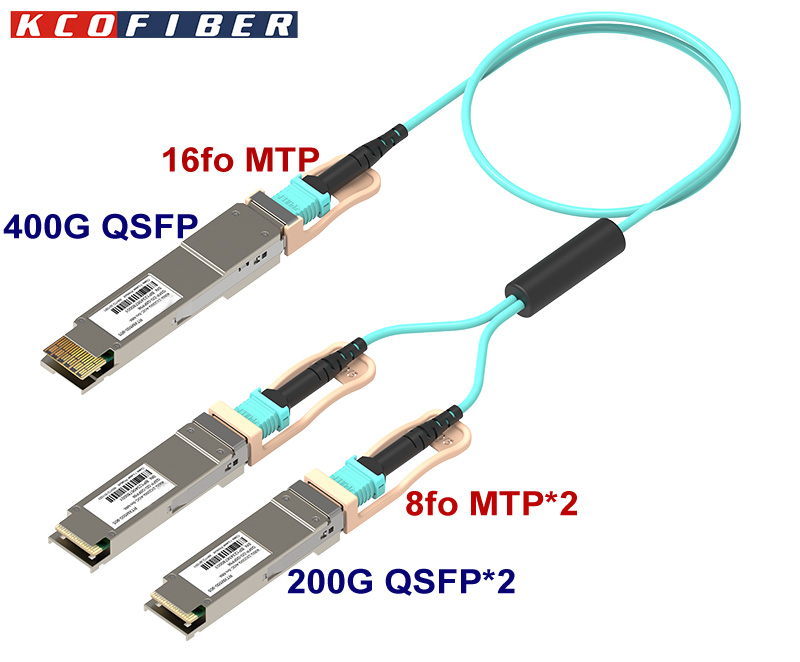
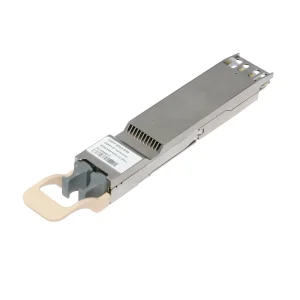
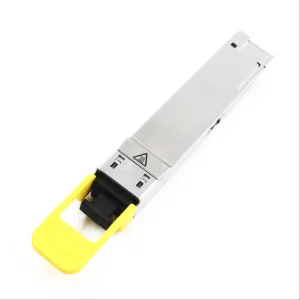
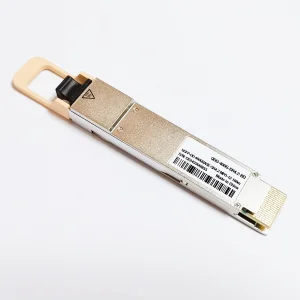
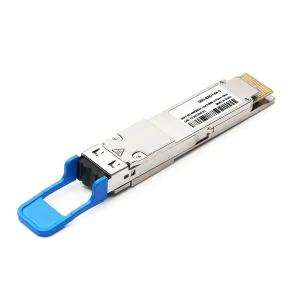
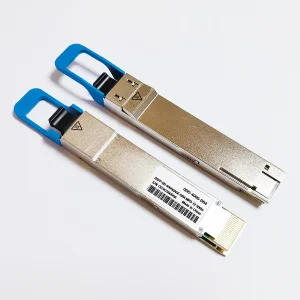
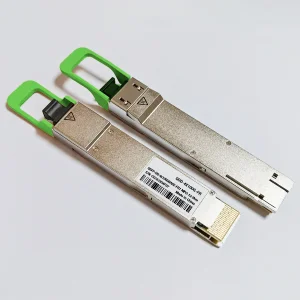
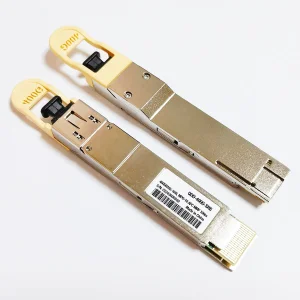
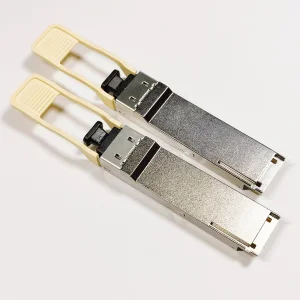
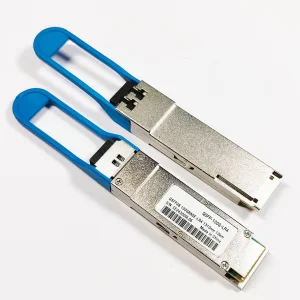
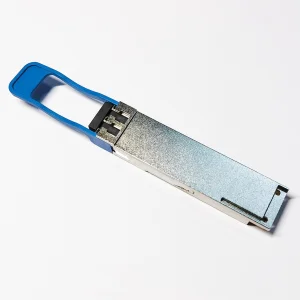
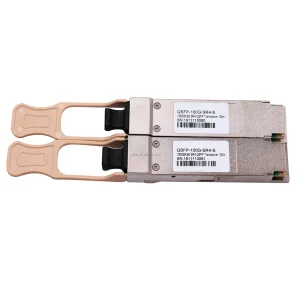
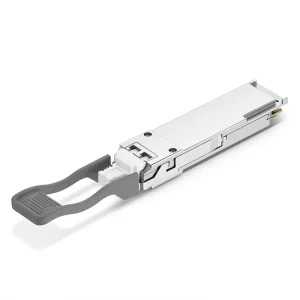
To distribute high-capacity data throughout the DRC, local telecom operators (such as Orange DRC, Vodacom Congo, Airtel, and Africell) and state-owned entities like SCPT are scaling their national optical transmission networks. At the core of this transformation are high-performance optical transceivers: SFP, SFP+, QSFP28, and QSFP-DD modules. These interfaces connect edge switches, core routers, and DWDM terminals, turning dark fiber into the lifelines of Congolese digital commerce. Furthermore, the harsh environmental conditions of the DRC, characterized by seasonal humidity, dust, and electrical grid fluctuations, demand industrial-grade components designed to handle wider thermal ranges and offer superior electromagnetic compatibility.
Localized Industrial Demands: Enterprise & Smart Mining in the Katanga Copperbelt
Beyond telecommunications, the industrial sector in the DRC—particularly the mineral-rich Katanga region (including Lubumbashi and Kolwezi)—is experiencing a wave of automation. Modern copper and cobalt extraction complexes rely heavily on private LTE networks, closed-circuit telemetry, and automated haulage systems. To run these latency-sensitive systems, mining companies deploy localized edge data centers right at the excavation sites. This requires rugged fiber backhaul links that utilize 10G SFP+ and 100G QSFP28 transceivers capable of running consistently under industrial environments characterized by high vibration and dust exposure.
Reliable interconnectivity is critical; a single fiber module failure in a mining operations center can disrupt tracking systems, resulting in thousands of dollars in lost production time. Thus, procurement managers in Lubumbashi and Kinshasa are prioritizing optical transceivers that have undergone stringent quality control, offering dual-rate compatibility, and showing proven durability profiles under high thermal loads.