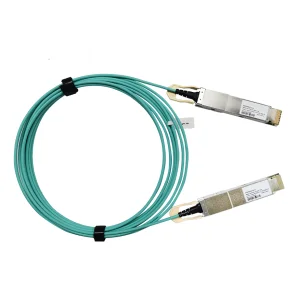
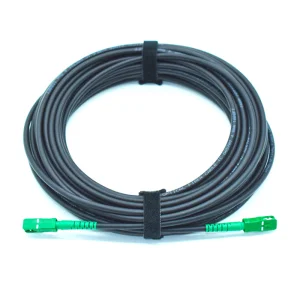
Empowering Global Optical Infrastructure with Cost-Optimized, Carrier-Grade Fiber Optic Patch Cords, Transceivers, and High-Density Distribution Hardware.
Explore our core optical connectivity options designed for hyper-scale data centers, high-capacity carrier networks, and FTTH deployment initiatives.
The Macro-Economics of Modern Fiber Cabling Infrastructures and High-Speed Optical Transmission
For network architects, telecom buyers, and data center procurement managers, searching for "cheap fiber cords" does not mean compromising on structural reliability. In high-speed telecommunications, cheap implies minimizing structural layers of intermediary markup, leveraging scaled automated production lines, and optimizing raw material procurement (like high-grade silica glass and premium ceramic ferrules). Directly partnering with factories in industrial optical hubs like Shenzhen and Hong Kong allows enterprise operators to achieve lower Total Cost of Ownership (TCO) while guaranteeing insertion loss metrics (typically ≤0.2dB) and high return losses. This structural alignment is critical as data demands shift to 400G, 800G, and 1.6T systems.
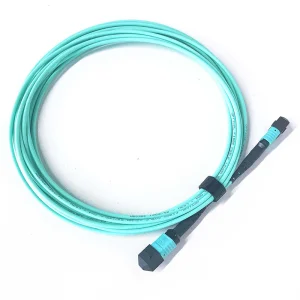
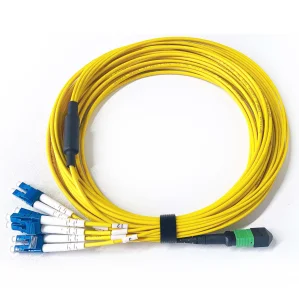
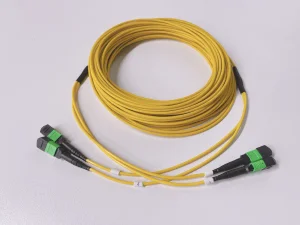
AI infrastructure clusters utilize dense array architectures requiring thousands of point-to-point fiber connections. Low-cost, highly structured MPO/MTP patch cords form the core backbone of high-density computing clusters, maintaining stability across high-frequency packet transmissions.
Global cloud deployments and the growth of 5G have led to massive installations of single-mode and multimode patch cables. The pressure to scale requires direct factory sourcing to avoid traditional distribution markups and achieve competitive cost-per-port metrics.
As governments support rural broadband and fiber-to-the-home (FTTH) connections, rugged outdoor drop cables and localized termination enclosures must handle varied environmental conditions, requiring cost-effective manufacturing at scale.
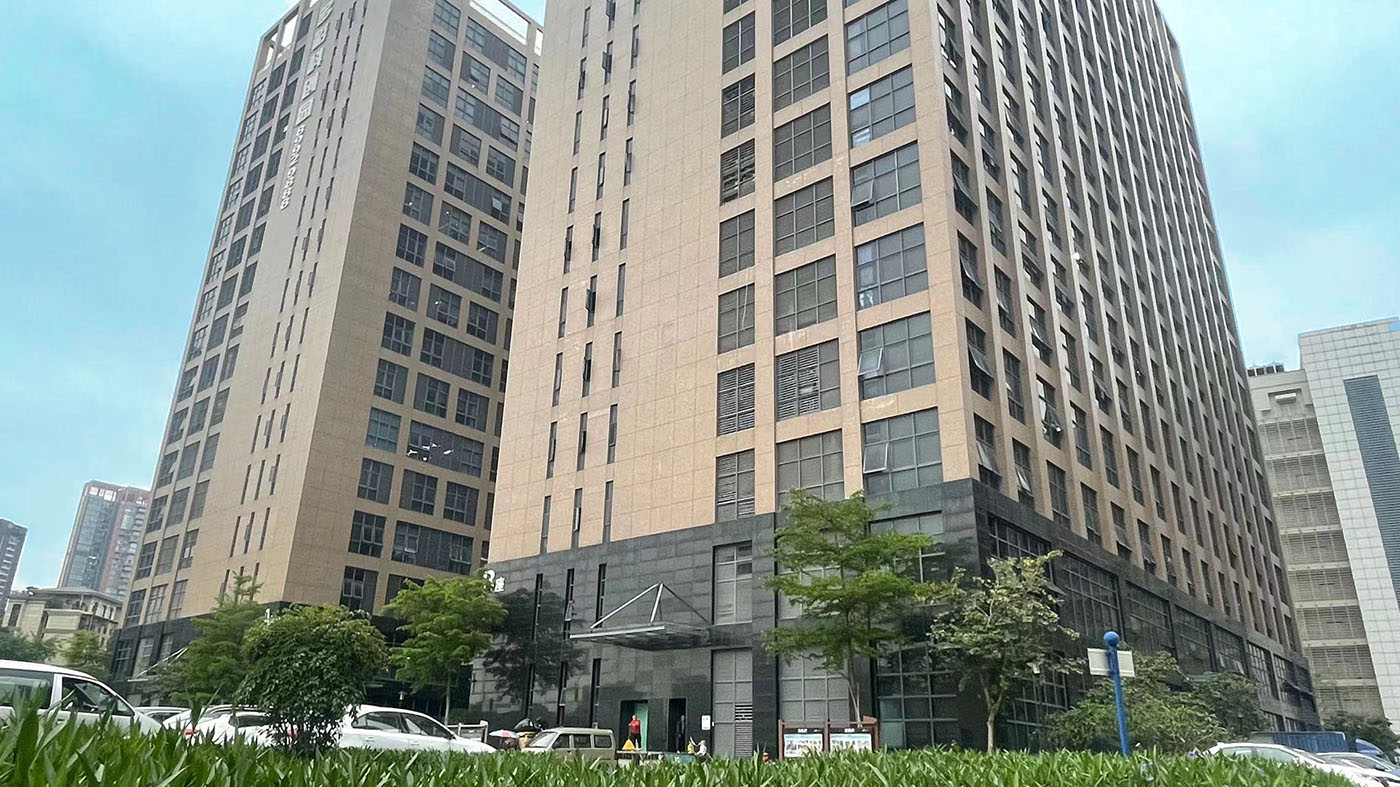
Established in 2012 in Hong Kong as a high-tech communication enterprise, Kocent Optec Limited has grown into one of China's leading fiber optic termination product manufacturers and solution providers.
We are dedicated to developing and manufacturing fiber optic communication products ranging from passive to active categories for telecommunication networks, enterprise networks, and data centers. By leveraging our extensive experience and production capacity built over the years, we magnify the value delivered to our customers. Our core focus centers on customer collaboration, defining ourselves as a trusted partner in global fiber optic connectivity solutions.
With more than 13 years of experience in manufacturing telecommunication fiber optic products, we strictly follow fiber optic industry standards by using mature, verified scientific methods to deliver your products on time and ensure that 100% of products are tested and inspected before shipment.

A transparent look inside our state-of-the-art facilities, specialized testing machinery, and automated assembly operations.
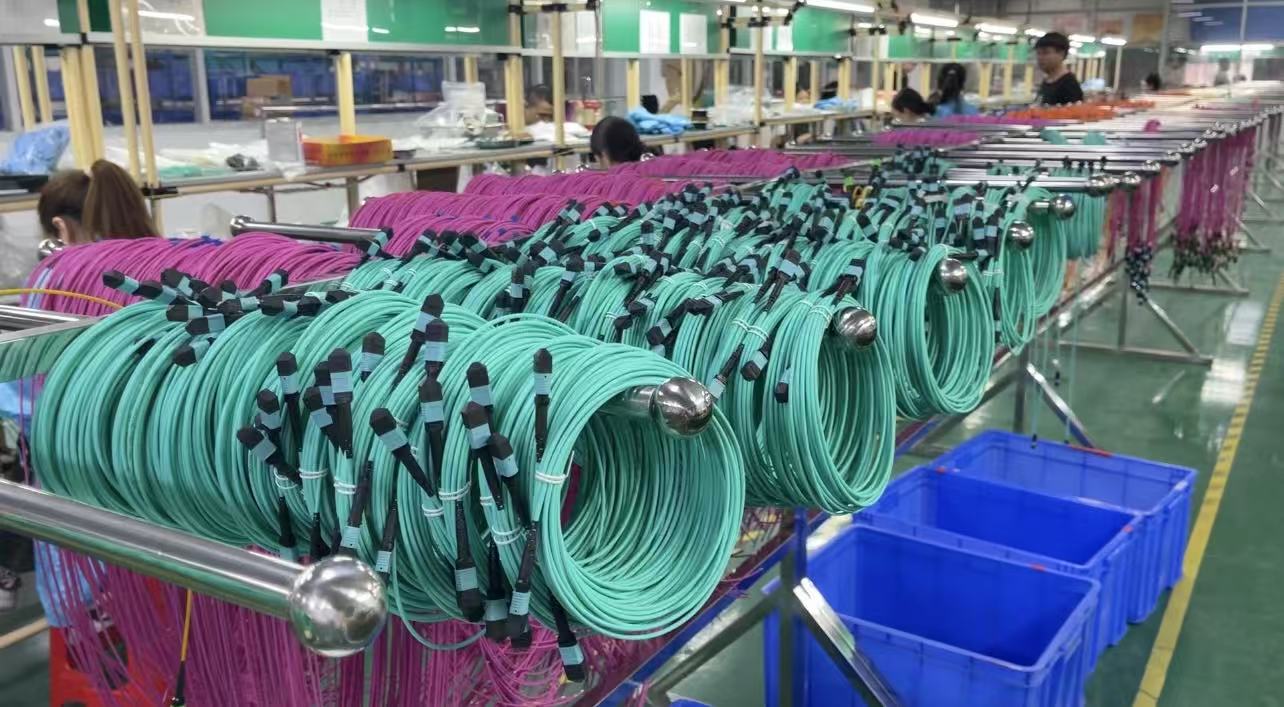
Our main production facility features custom cleanrooms designed for high-precision fiber termination and active transceiver optical sub-assembly (OSA). Our operations are partitioned into specific assembly clusters to ensure quality control, component isolation, and lean manufacturing efficiency.
From polishing machines and interferometer testers to high-speed optical spectrum analyzers, our production lines utilize reliable manufacturing technologies to meet international standards.
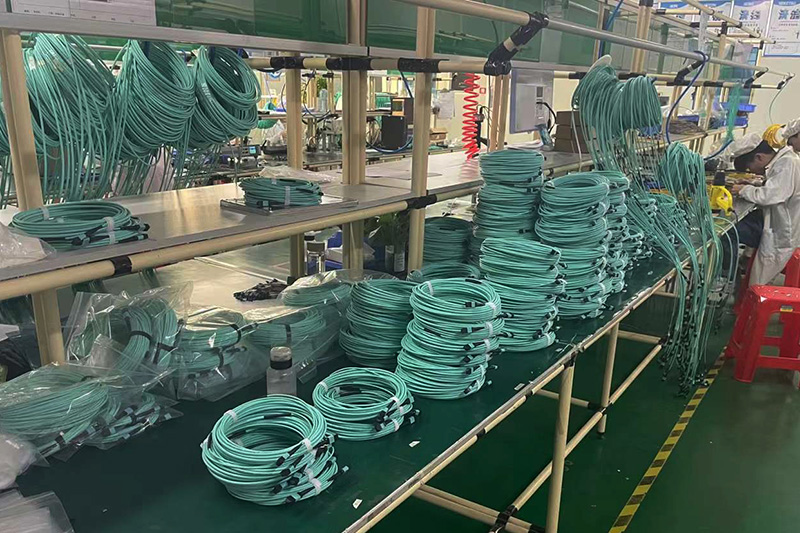
MTP MPO Production Line
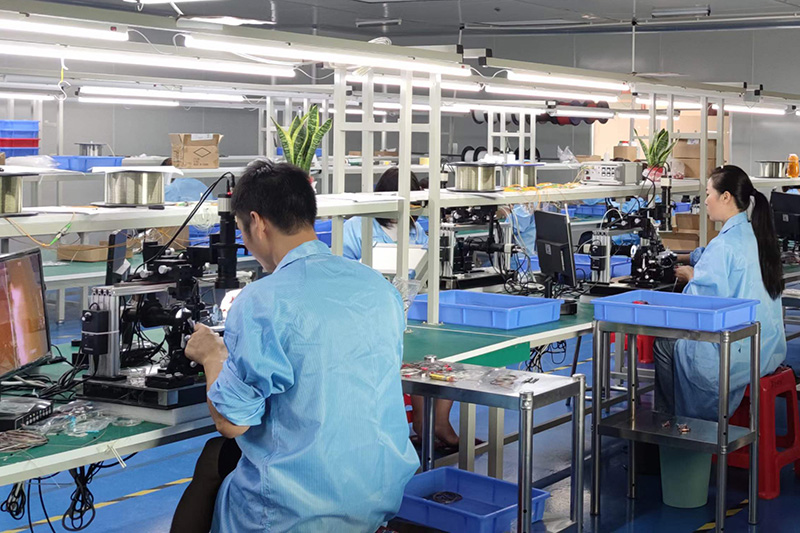
PLC Splitter Production Line
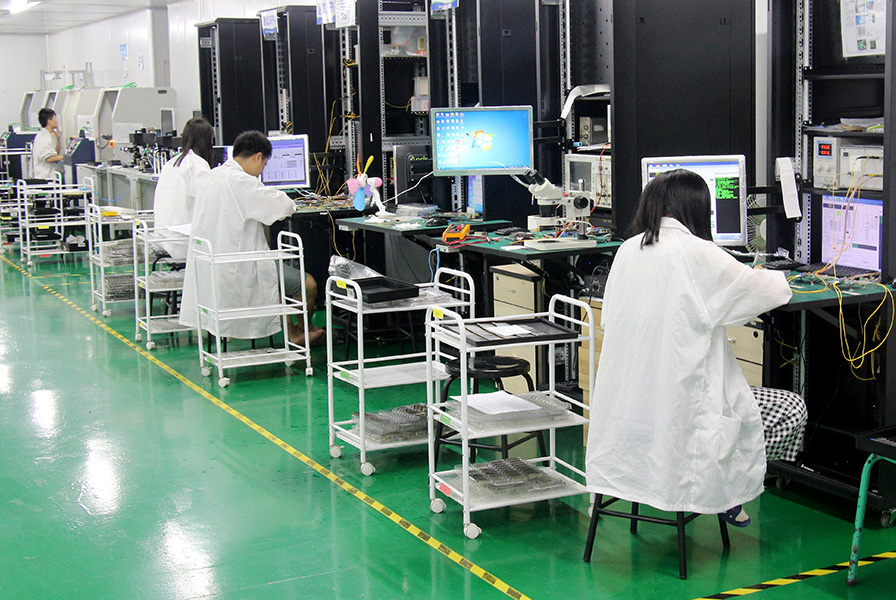
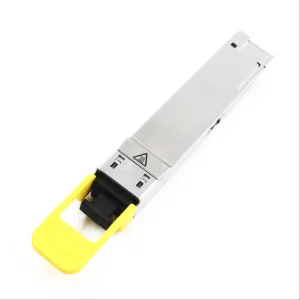
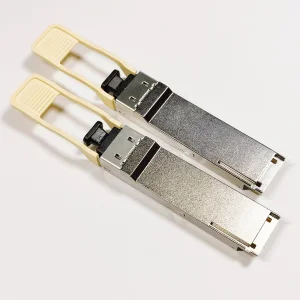
SFP QSFP Production Line
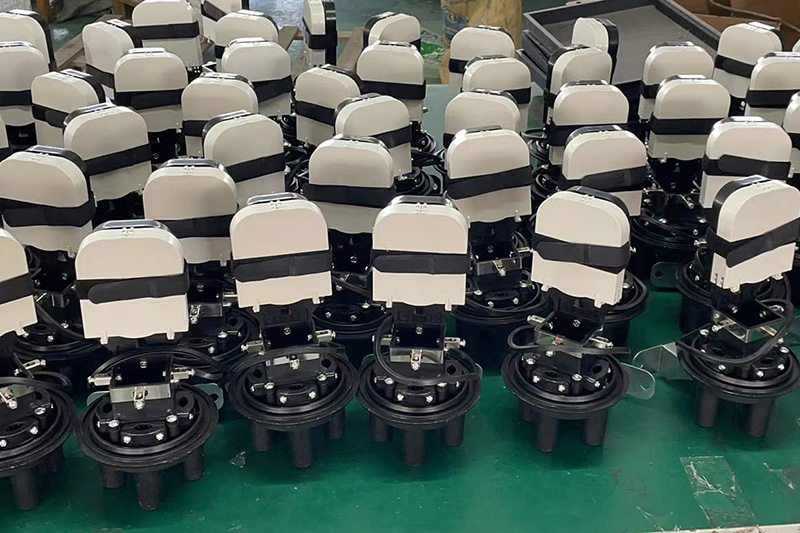
FDB and FOSC Production Machine

Adapting our manufacturing processes to meet your project specifications, branding needs, and hardware requirements.
KCO Fiber provides a consultative approach to engineering custom cables and active network elements. We provide customization solutions for Tactical CPRI Patch Cords, MTP/MPO Fiber Optic Patch Cords, and customized transceivers for any fiber type, connector interface, jacket material, length, color, or label marking.
We welcome long-term OEM partnership opportunities. Under an OEM agreement, our engineering team works alongside your technical group to prototype, validate, and manufacture specialized optical components that align with your hardware and business goals.
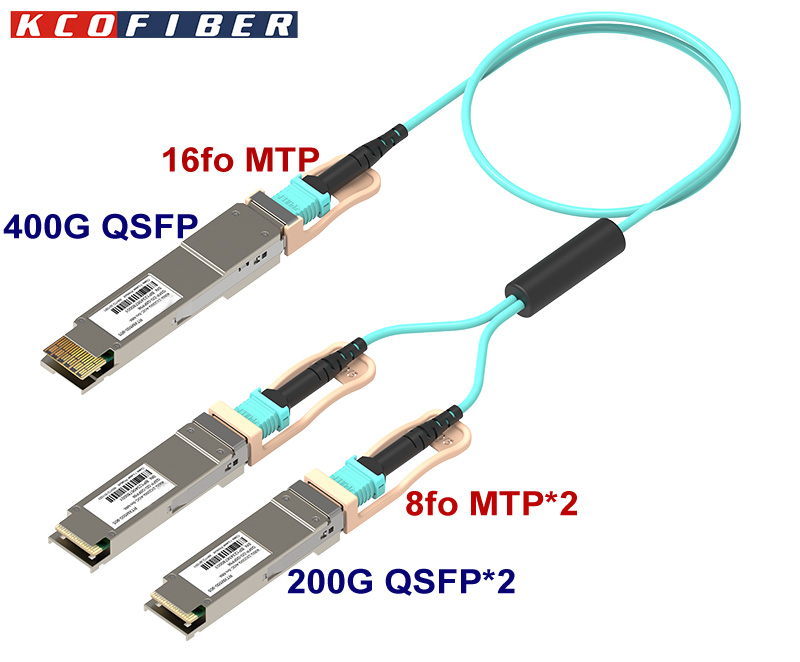
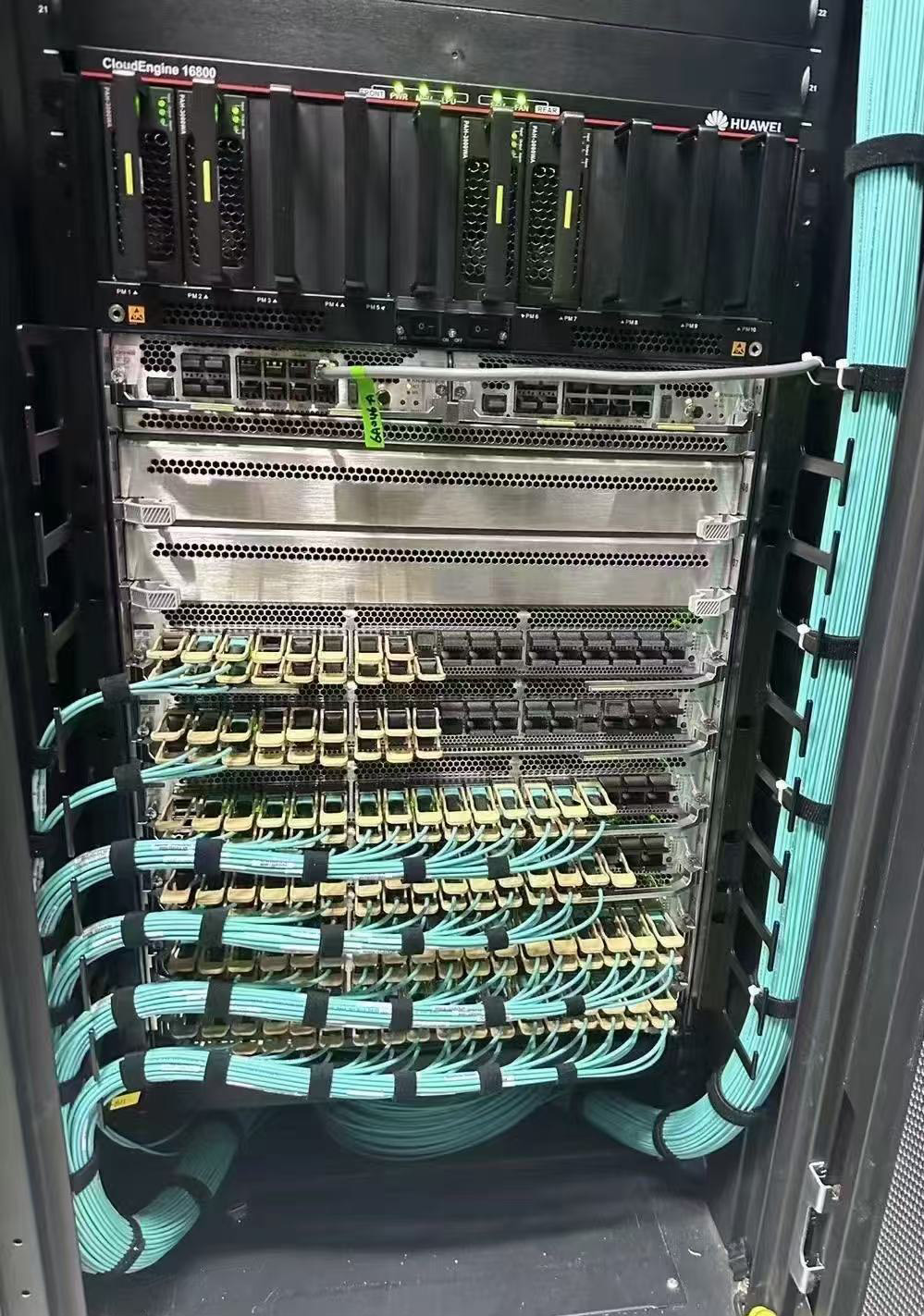
We supply high-compatibility transceivers compatible with major switch manufacturers (such as Cisco, Huawei, ZTE, H3C, Juniper, HP, TP-Link, D-Link, Dell, Netgear, and Ruijie). Our capabilities include optical layout design, PCB layout modification, firmware tuning, and customized labeling.
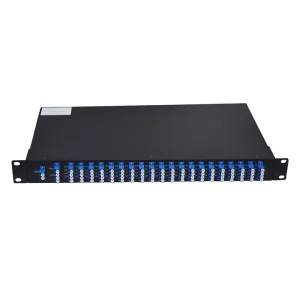
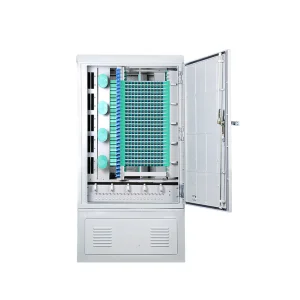
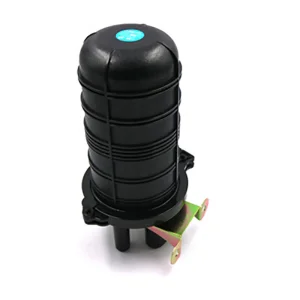
According to your design drawings or technical requirements, KCO Fiber provides ODM customization for fiber optic terminal boxes, distribution boxes, rack-mount patch panels, and outdoor splice closures (FOSC).
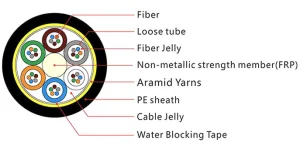
We manufacture fiber cables to custom structural configurations. Our capabilities cover specialized armored sheathing, low-smoke zero-halogen (LSZH) ratings, dielectric self-supporting outdoor spans (ADSS), FTTH drop profiles, and field-deployable tactical jackets.
Ensuring compliance with international telecommunication standards and regional building codes.
Deploying optical links requires compliance with regional fire ratings, hazardous material constraints, and electrical requirements. Our factory adheres to ISO 9001 quality management practices and manufactures products in compliance with RoHS and REACH standards.
Our patch cords undergo testing for key performance indicators: 3D interferometry checks to verify ferrule geometry, insertion loss testing to ensure signal strength, and return loss testing to minimize back-reflections in high-sensitivity laser systems.
For outdoor infrastructures, our cables (such as ADSS and drop assemblies) are designed and tested to withstand high wind loads, ice accumulation, UV exposure, and moisture penetration.
Our long-term R&D plan addresses the growing demand for bandwidth, density, and energy-efficient optical systems.
Increasing the scale of production for PAM4-coded 800G active transceivers (DR4/DR8/SR8 variants) alongside ultra-low-loss MPO-24 configurations to optimize port utilization in high-performance computing centers.
Integrating silicon photonics and co-packaged optical interfaces within our active product line to help reduce electrical path losses and decrease overall rack energy consumption.
Developing hollow-core fiber assemblies to support latency-sensitive applications like high-frequency trading platforms and distributed real-time computing systems.
Explore our passive components, patch panels, splice boxes, and fiber termination accessories.
Common questions from technical buyers and procurement specialists regarding fiber production, testing, and customization.
 KOCENT OPTEC