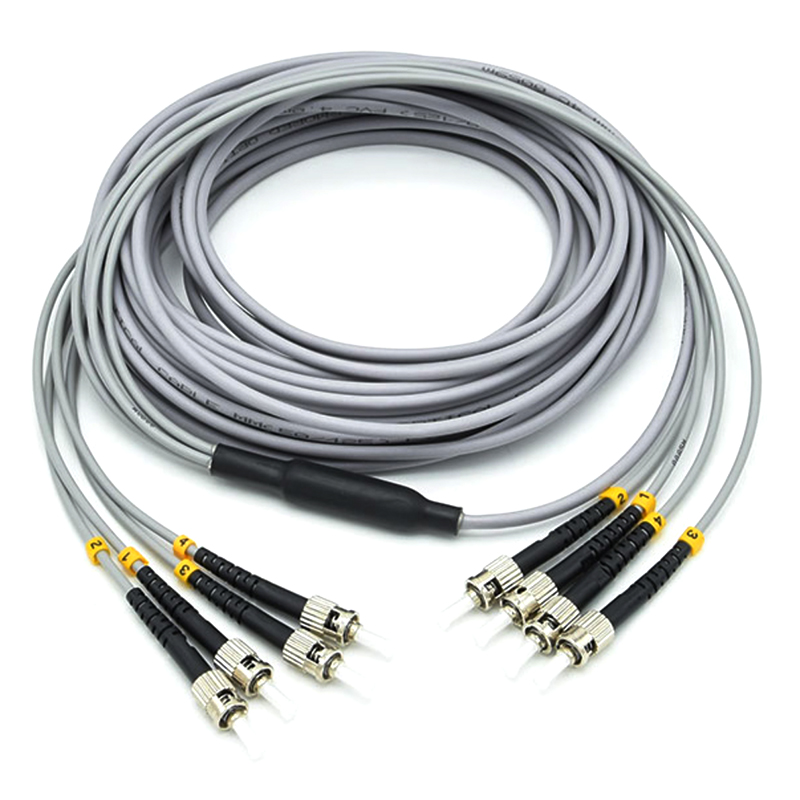
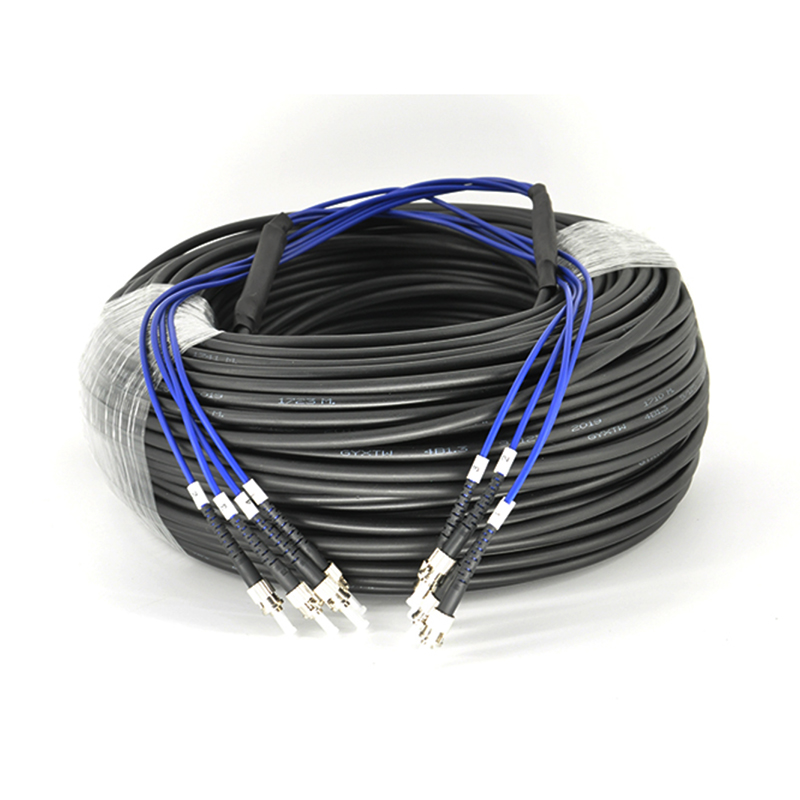
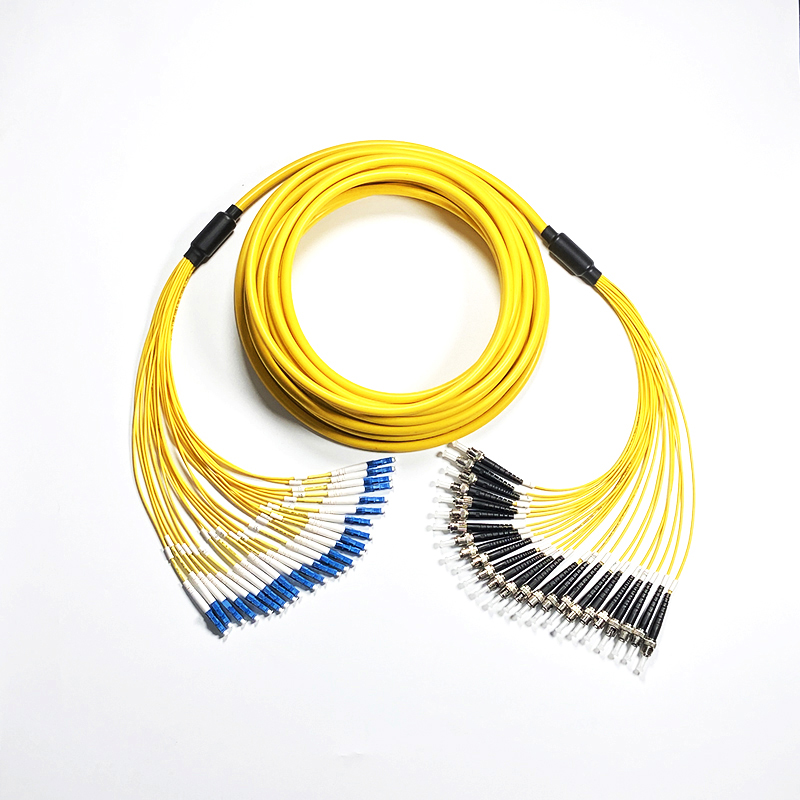
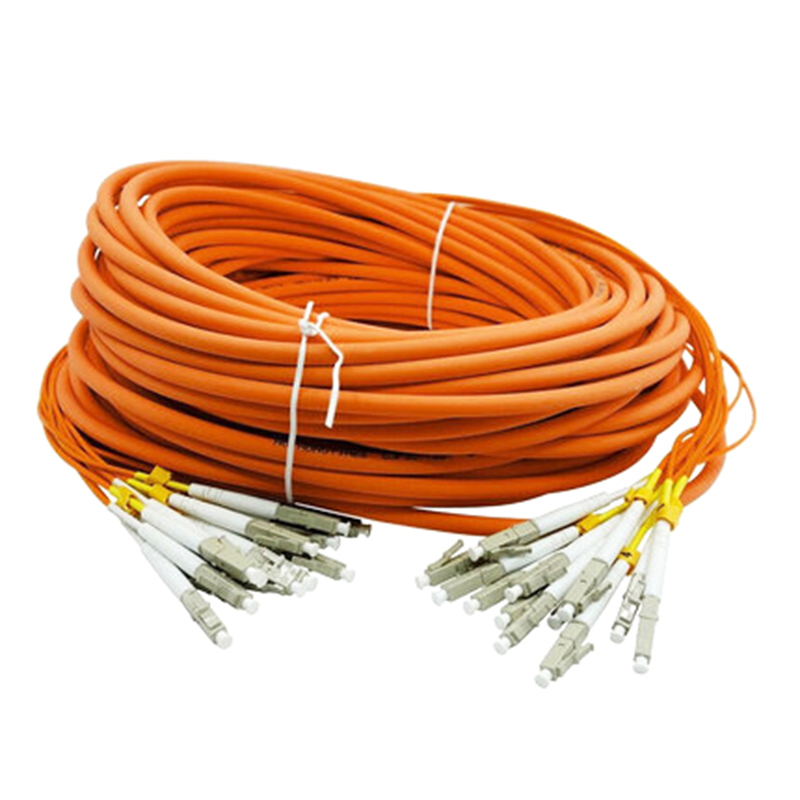
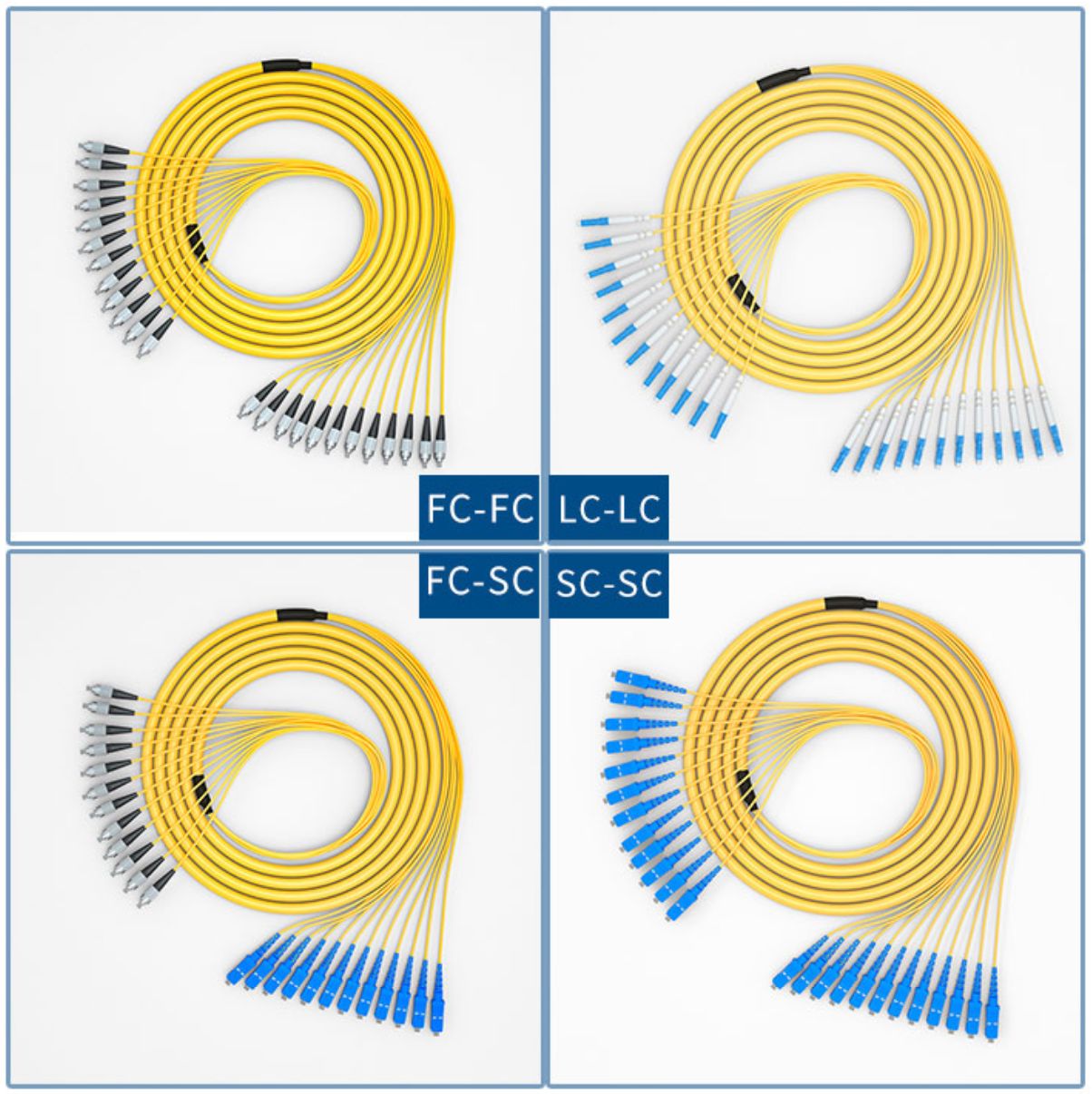
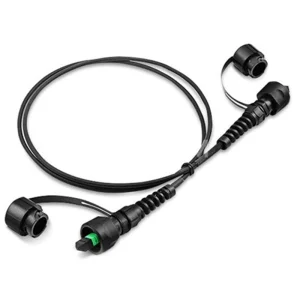
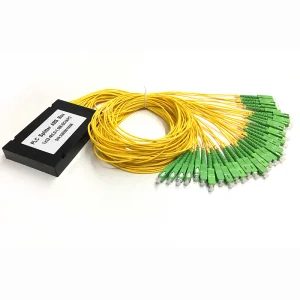
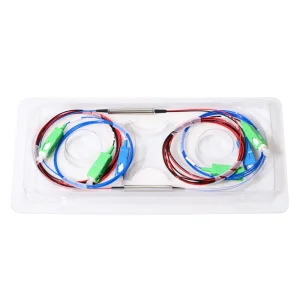
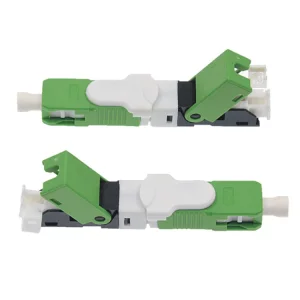
Optical Fiber jumpers, also called fiber patch cords, link existing hardware to your structured cabling system. Fiber optic options have enjoyed significant market adoption over the past few years thanks to the unparalleled ability of glass fibers to transmit information using light.
⚙️
The Fiber Optical Patch Jumpers are ultra reliable components featuring low insertion loss and return loss. They come with your choice of simplex or duplex cable configuration.
🔗
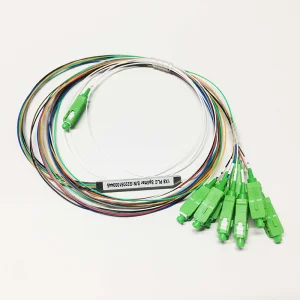
Terminated with a factory-installed connector on one end, leaving the other end terminated for melting with optical fiber cables or linking to equipment.
🛠️
Utilized to terminate fiber optic cables via fusion or mechanical splicing, commonly found in ODF, fiber terminal boxes, and distribution boxes.
🔌
Low-cost, pre-assembled patch cable designed for indoor interconnection between transmission equipment and patch panels or ODFS.
LC Branch Out Fiber Optical Patch Jumpers
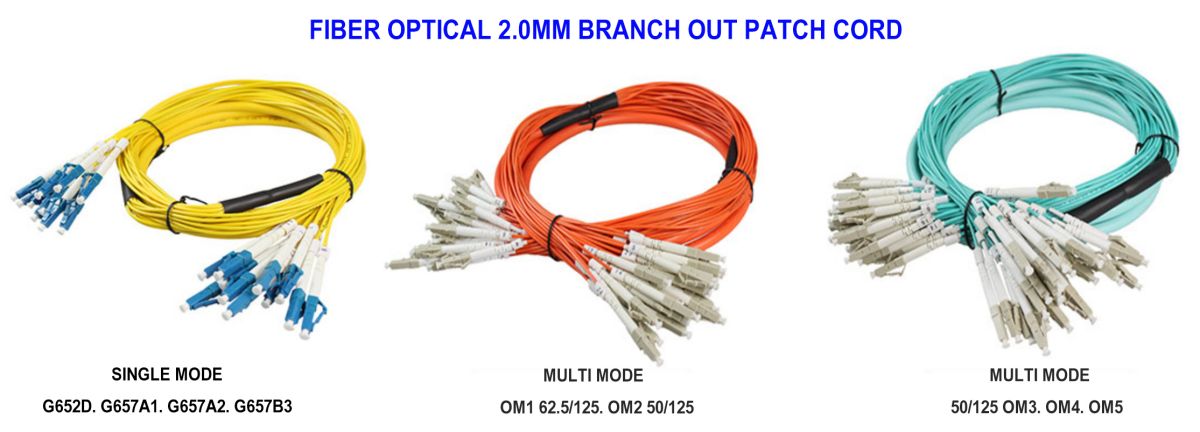
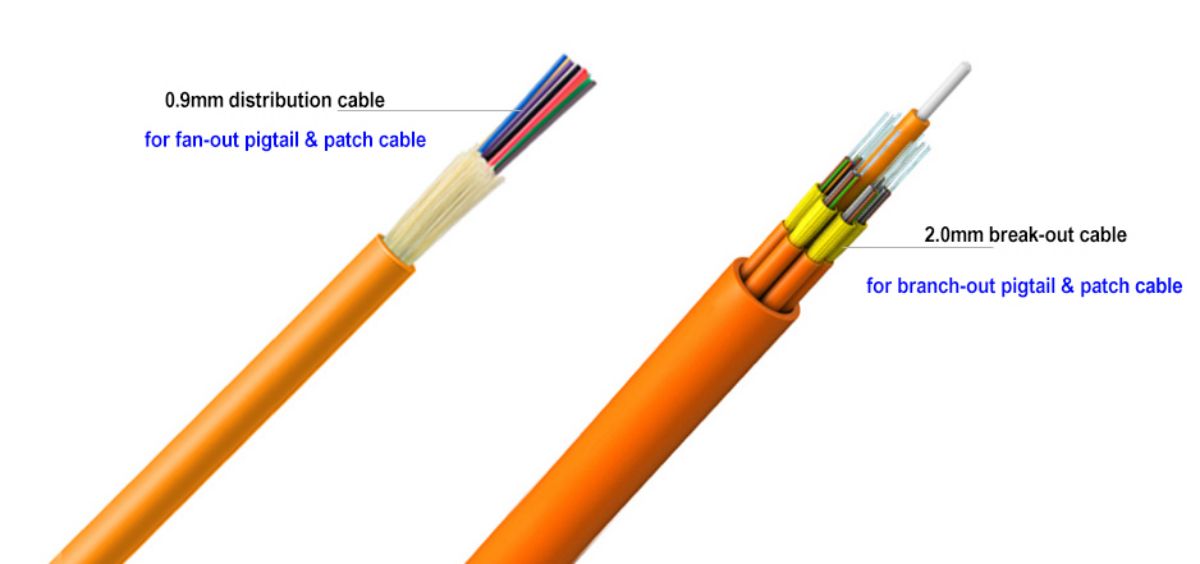
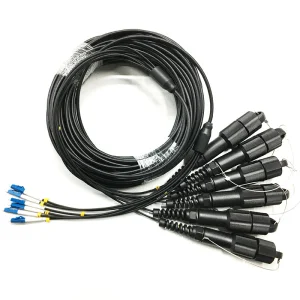
A Branch Out Fiber Optical Patch Jumper is multi-fibers, usually tight buffered fanout fiber optic cable with a factory installed connector on two ends. The LC Branch Out terminal connector is one of the most popular fiber optic connectors, widely used in all telecom projects.
It typically uses multi-fiber branch out (or bunch out) cable with sub-cable tight buffer 1.8mm or 2.0mm. Standard fiber counts include 2fo, 4fo, 8fo, 12fo, 16fo, 24fo, 48fo or more. These are ideal for indoor ODF boxes and fiber optic distribution frames. The 62.5/125 μm (OM1) and 50/125 μm (OM2) multi-mode cables are widely deployed in premises applications.
Frequently Asked Questions
What are Fiber Optical Jumpers used for?
They are used to link existing hardware to structured cabling systems and are often found in fiber management equipment like ODFs, terminal boxes, and distribution boxes.
What makes LC connectors a preferred choice?
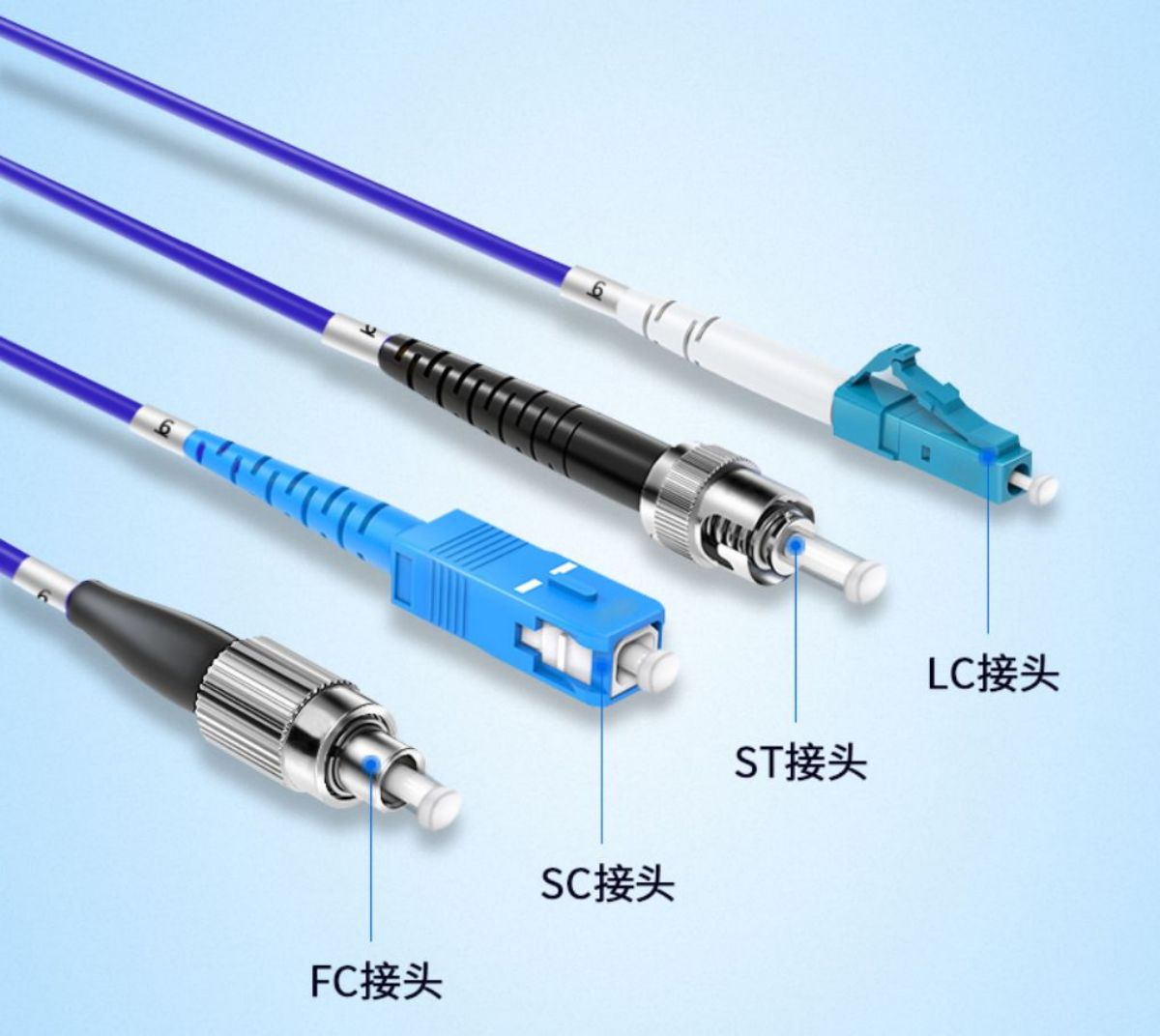
LC connectors are one of the most popular fiber optic connectors due to their reliability and wide use in various telecom and data center projects.
What fiber counts are available for branch out jumpers?
Normally, they use 2fo, 4fo, 8fo, and 12fo cables, but can also be configured with 16fo, 24fo, 48fo, or more depending on project needs.
What are the key technical performance indicators?
These jumpers feature an insertion loss of ≤ 0.3dB and a return loss of ≥ 30dB, ensuring ultra-reliable signal transmission.
Can these jumpers be used in harsh environments?
Yes, they have an operating temperature range of -40°C to 85°C, making them suitable for a wide variety of indoor and premises applications.
What types of fiber modes are supported?
They commonly support multi-mode fibers, specifically 62.5/125 μm (OM1) and 50/125 μm (OM2/OM3), which are widely used in premises applications.
 KOCENT OPTEC