In the rapidly evolving landscape of global telecommunications, the 6-core fiber optic cable has emerged as a critical component for specialized network architectures. While high-count cables (like 144 or 288 cores) dominate backbone infrastructures, the 6-core variant serves as the essential "nervous system" for branch connections, edge computing, and localized industrial networks.
Technological shifts toward 5G densification and the Internet of Things (IoT) have surged the demand for low-fiber-count cables that offer a balance of high bandwidth and physical flexibility. In North America and Europe, smart city initiatives rely heavily on 6-core cables to connect street-level sensors, traffic cameras, and public Wi-Fi access points to the primary metropolitan area networks.
6-core cables provide the perfect redundancy (3 active pairs) for high-reliability industrial environments where downtime is not an option.

As digital transformation accelerates, procurement professionals are looking beyond simple price points. They seek reliability, future-proofing, and localized compliance.
With the surge in AI processing, data centers are utilizing 6-core fiber for inter-rack communication and top-of-rack (ToR) switching, requiring low-latency performance.
Global manufacturing hubs are upgrading to "Industry 4.0," where 6 fiber cables connect PLC systems and robotic units in harsh electromagnetic environments.
Residential broadband providers are increasingly adopting 6-core configurations for multi-dwelling units (MDUs) to provide scalable services to multiple households.
Today's procurement demand is characterized by a "China-Plus-One" strategy, where enterprises maintain strong ties with Chinese manufacturers like Kocent Optec Limited due to our unparalleled supply chain efficiency and R&D speed. Global buyers are prioritizing cables that meet LSZH (Low Smoke Zero Halogen) standards and offer enhanced tensile strength for both indoor and outdoor installations.

Established in 2012 in Hong Kong as a hi-tech communication enterprise, Kocent Optec Limited has grown to become one of China's leading fiber optic termination product manufacturers. Our 13+ years of experience are not just a number—they represent thousands of successful projects across telecommunication networks, enterprise networks, and global data centers.
We leverage our extensive production capacity to amplify outcomes for our customers, ensuring their core competencies are expanded through superior connectivity solutions. We define ourselves not just as a vendor, but as your strategic partner in fiber optic engineering.
We follow strict fiber optic industry standards, using mature scientific methods to deliver tested and inspected products.
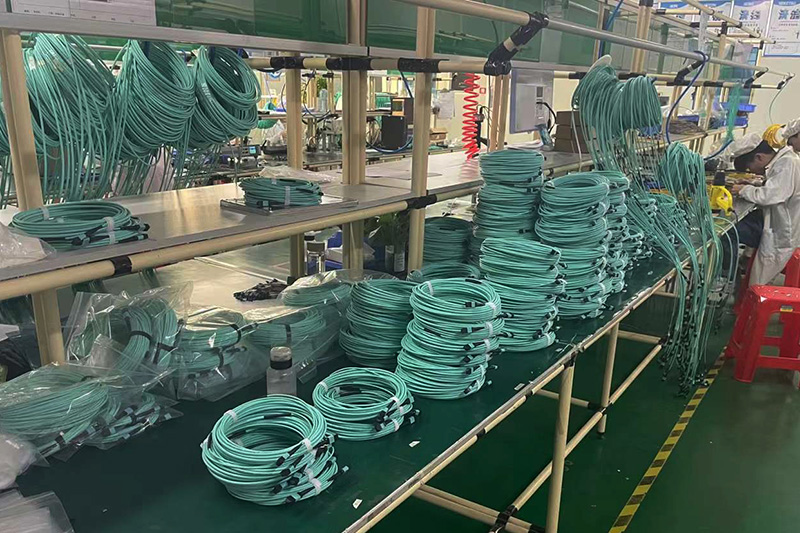
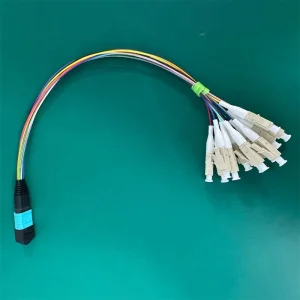
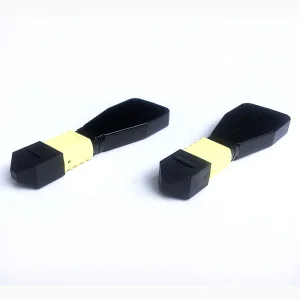
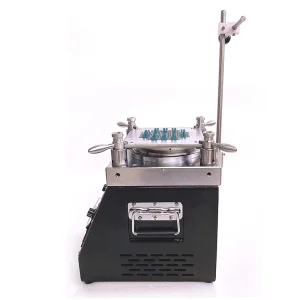
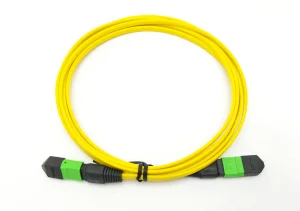
High-precision assembly for data center trunking.
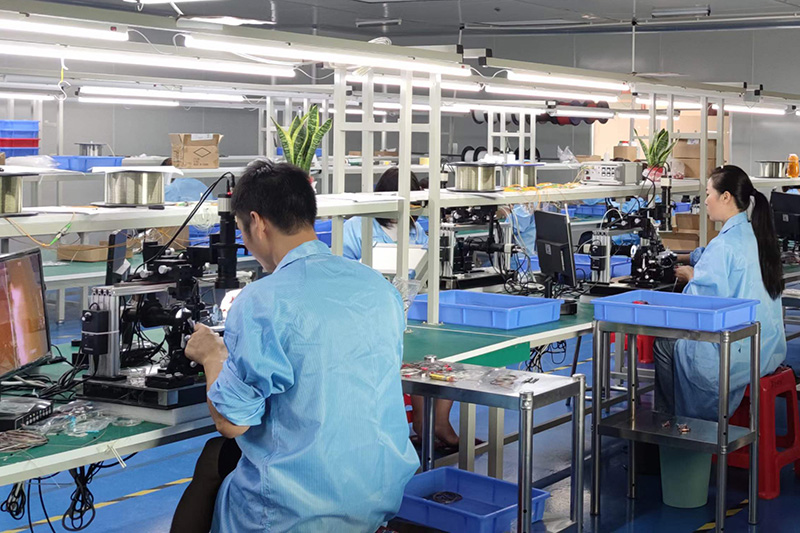
Reliable signal splitting for FTTH networks.
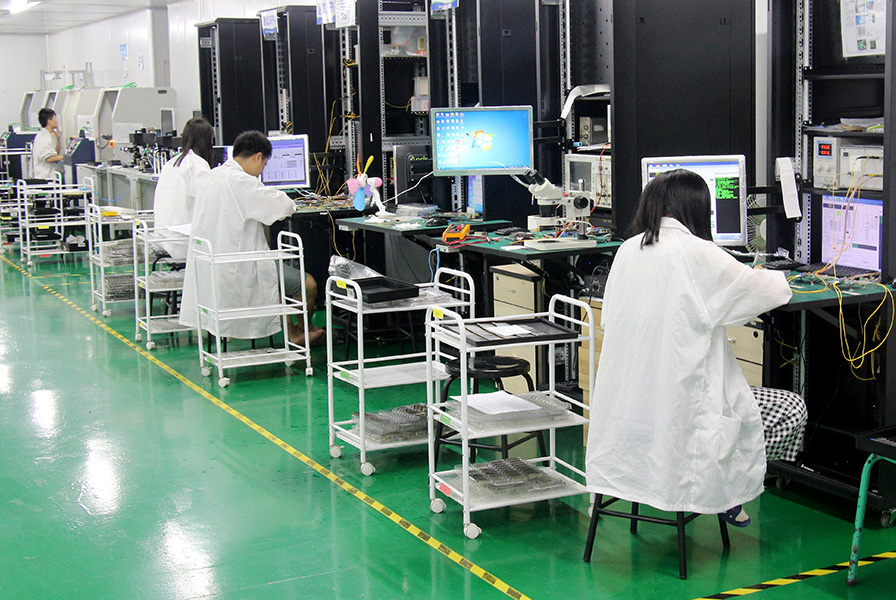
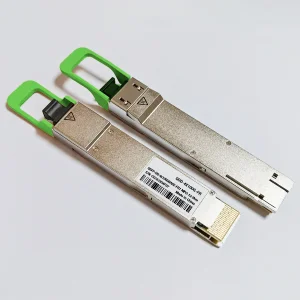
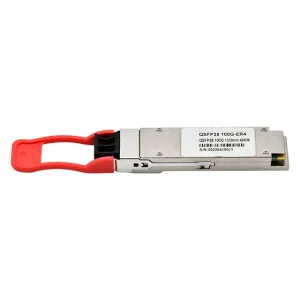
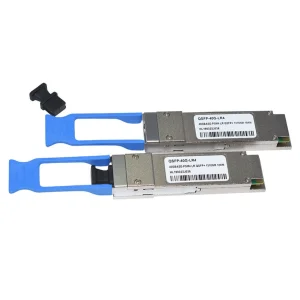
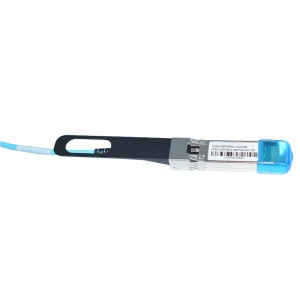
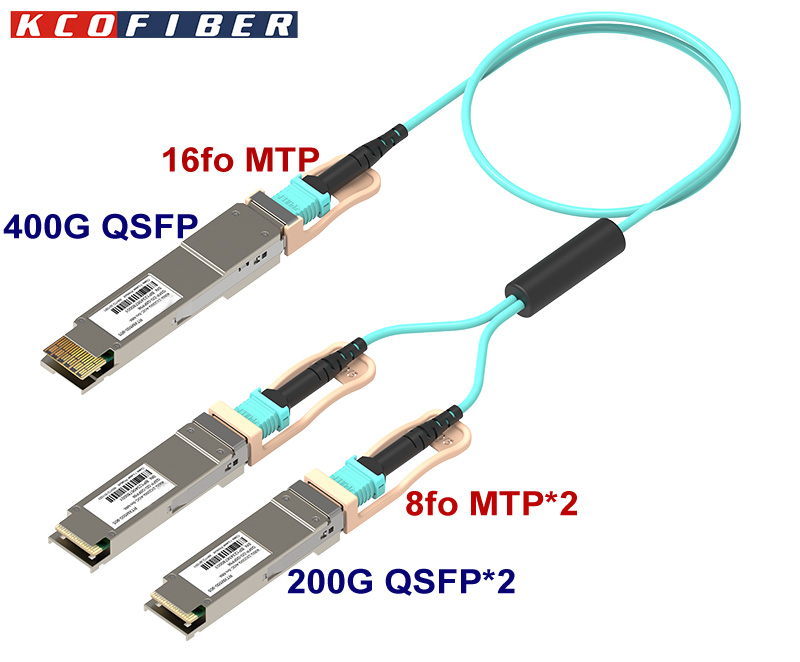
SFP/QSFP modules up to 400G speeds.
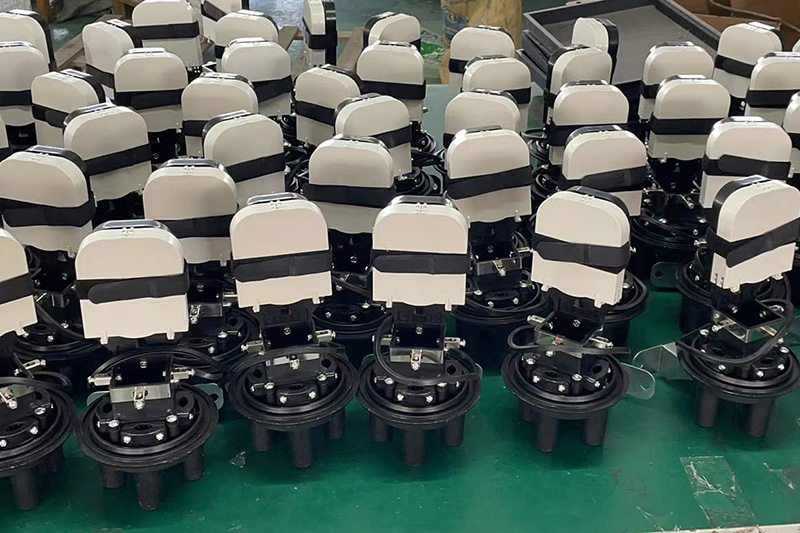
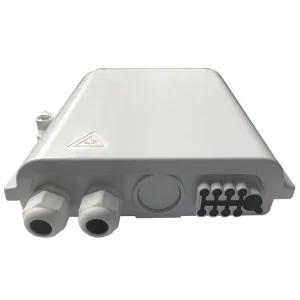
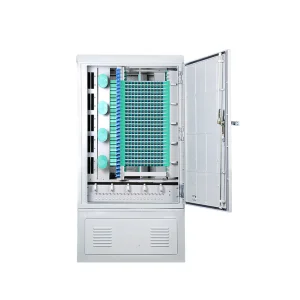
Robust outdoor distribution and splice closures.
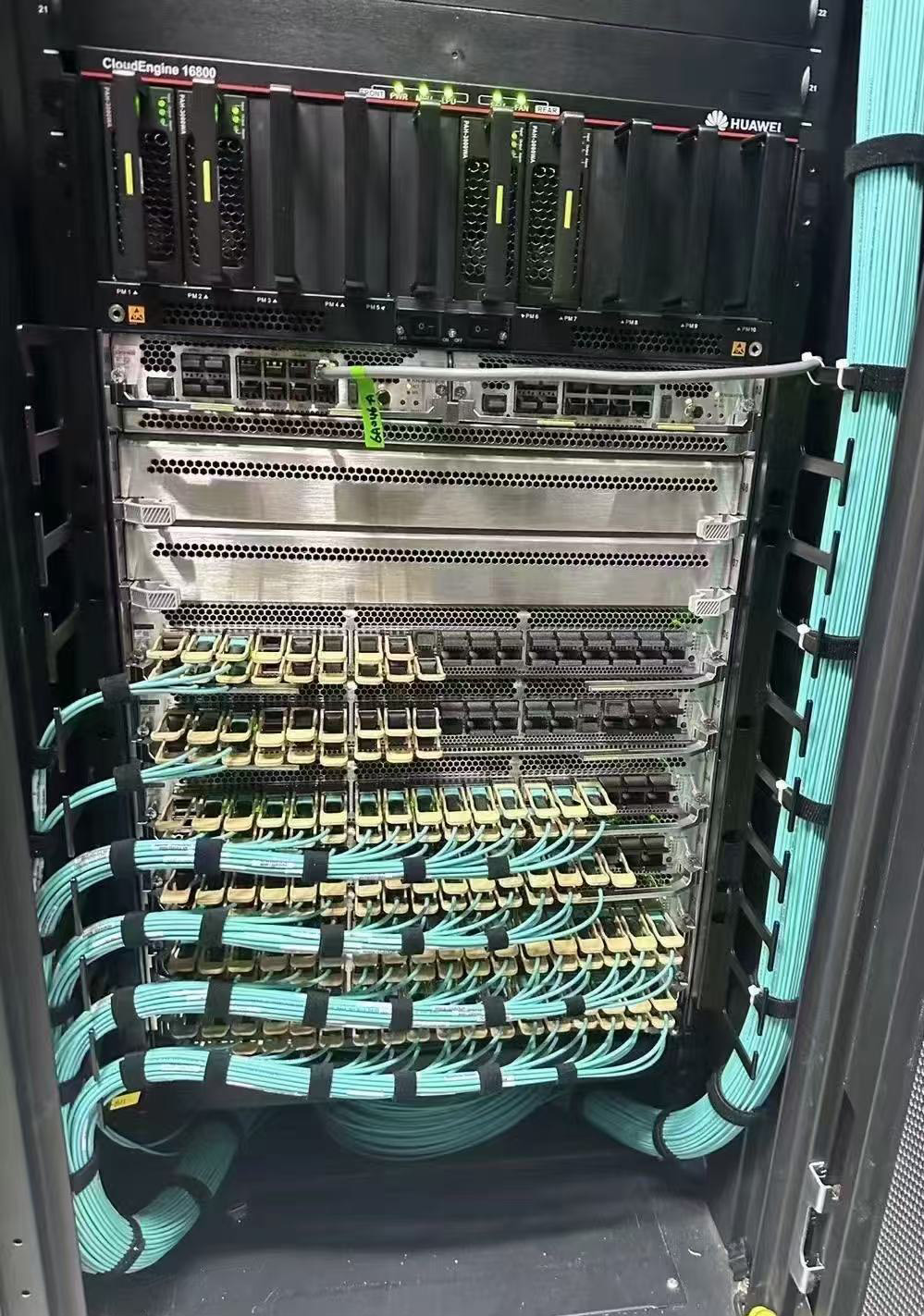


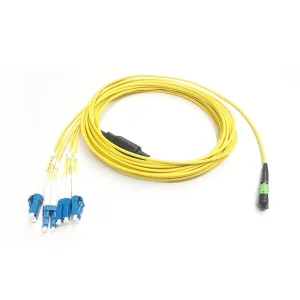
KCO Fiber provides a consultative approach to engineering custom cables. Whether it is a 6 fiber optic cable for a specific military application or high-density MPO trunks for a cloud provider, we deliver solutions tailored to any fiber type, connector type, length, or color.
Compatible SFP, SFP+, QSFP, AOC, and DAC for Cisco, Huawei, ZTE, Juniper, HP, and more. Custom firmware and labeling available.
Full-stack customization including optical design, PCB layout, and integrated assembly for specialized equipment.
"KCO Fiber responds quickly to customers, providing cost-effective OEM services and personalized product design according to specific needs."
Perfect for connecting separate buildings in a corporate or university campus, providing enough bandwidth for high-speed inter-office communication.
Our tactical 6-core cables are used in extreme environments to link remote monitoring sensors back to a central control hub.
Ideal for city-wide IP camera deployments where each node requires a dedicated fiber pair with additional cores for future expansion.
Our China-based factory ensures that these localized solutions are produced with global certifications, bridging the gap between high-end performance and cost-effective procurement.
 KOCENT OPTEC