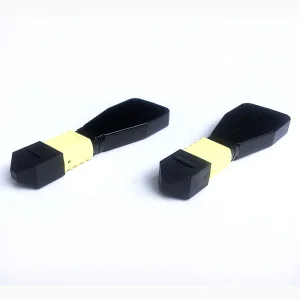
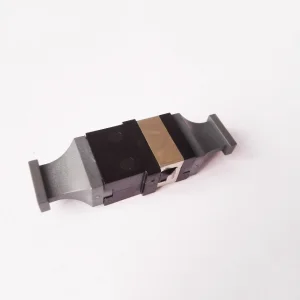
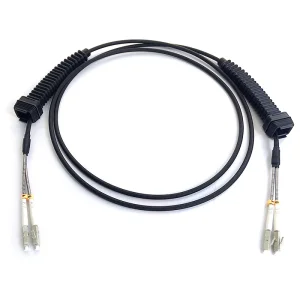
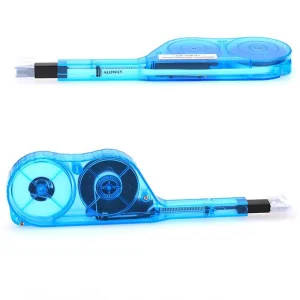
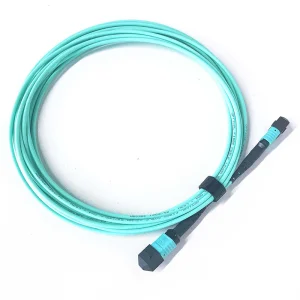
Our premium, high-density MPO and MTP components configured for immediate enterprise and telecom infrastructure rollouts.
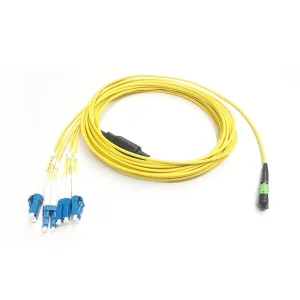
Equatorial Guinea, located strategically in Central-West Africa along the Gulf of Guinea, is undergoing an aggressive economic and technological transformation. Driven by the "Agenda de Diversificación Económica" (Economic Diversification Agenda) and led by governmental bodies like GITGE (Gestor de Infraestructuras de Telecomunicaciones de Guinea Ecuatorial), the country is rapidly shifting from legacy copper links and satellite backhauls to high-capacity optical networks. The integration of international subsea cable networks—including the ACE (African Coast to Europe) cable, Ceiba-1 connecting Malabo to Bata, and the planned regional linkages—has positioned the nation as a potential communications gateway for the Central African region.
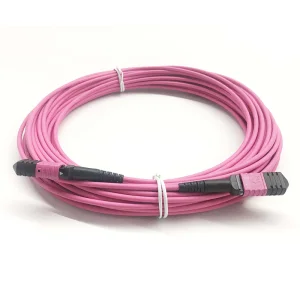
As urban centers like Malabo (Bioko Island) and Bata (Continental Region) expand their metro rings, local telecommunications firms such as GETESA, Muni, and Orange Equatorial Guinea are investing heavily in Fiber-To-The-Home (FTTH) and 4G/5G LTE cellular backhaul. In these dense application environments, legacy LC/SC connector setups are no longer space-efficient or cost-effective. High-density MPO (Multi-Fiber Push-On) and MTP (Mechanical Transfer Pull-Off) optical cabling have become the definitive standard for data center cross-connects, central office installations, and industrial networking.
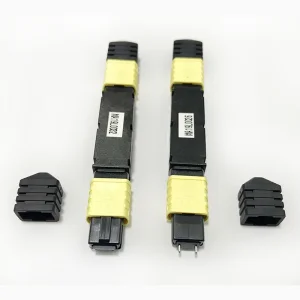
While the terms are often used interchangeably, there are critical distinctions between standard MPO and US Conec's MTP components that project managers and engineers in Equatorial Guinea must understand:
| Parameter / Type | Standard MPO Connector | Premium US Conec MTP Connector | Equatorial Guinea Field Impact |
|---|---|---|---|
| Insertion Loss (SM Elite) | Typical: ≤ 0.70 dB | Typical: ≤ 0.35 dB (Low Loss) | Critical for budget-constrained subsea backhauls. |
| Mechanical Lifecycle | Up to 500 matings | Over 1000 matings (High Durability) | Reduces maintenance costs in remote industrial sites. |
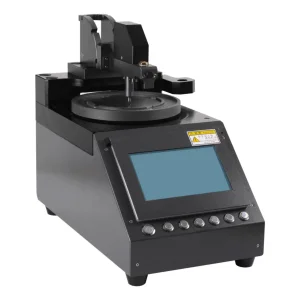
| Polishing Control | Standard mechanical grind | Interferometer-tested 3D geometry | Prevents back-reflections (ORL ≥ 60dB for APC). |
Our capabilities, infrastructure, and capacity to serve major telecommunication networks globally.
Established in 2012 in Hong Kong as a high-tech communication enterprise, Kocent Optec Limited (brand name: KCO Fiber) has emerged as one of China's premier fiber optic termination product manufacturers and solution providers. We specialize in designing, manufacturing, and verifying passive and active fiber optic communication components tailored for high-density environments.
Our core mission is to leverage our extensive manufacturing scale and advanced research facilities to deliver high-quality, cost-efficient, and structurally resilient solutions. We operate as a long-term engineering partner for global distributors, telecom operators, and engineering firms, ensuring our products perform optimally under challenging climatic and mechanical stresses.

The modern optical communication industry moves at a rapid pace, demanding high configuration customization, rapid prototyping, and absolute reliability. At Kocent Optec Limited, we have implemented Factory 4.0 manufacturing processes to address these global dynamics. By blending automated assembly, real-time testing feedback loops, and vertical integration of the supply chain, we deliver significant competitive advantages to our clients in Equatorial Guinea and beyond:
Take a look inside our state-of-the-art manufacturing facility in China.
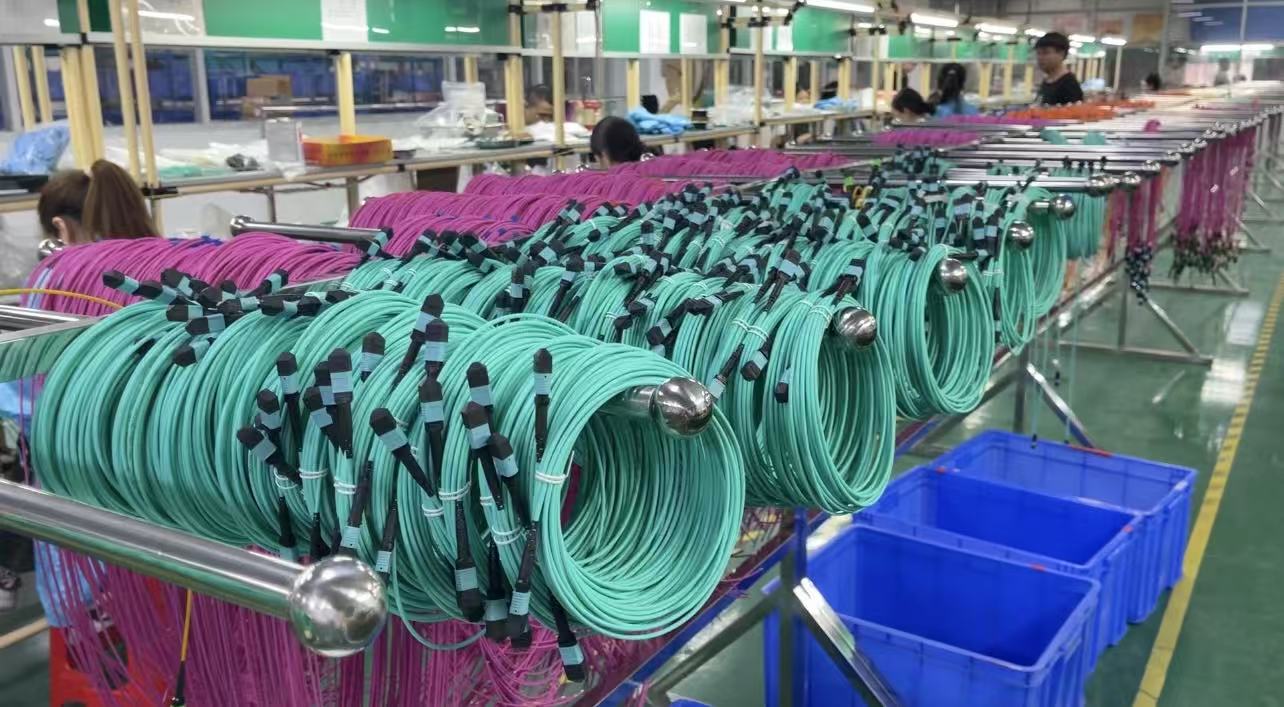
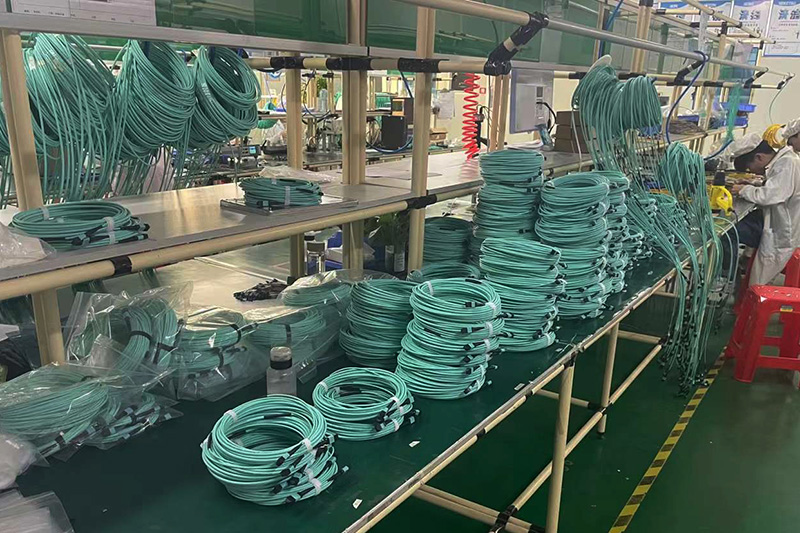
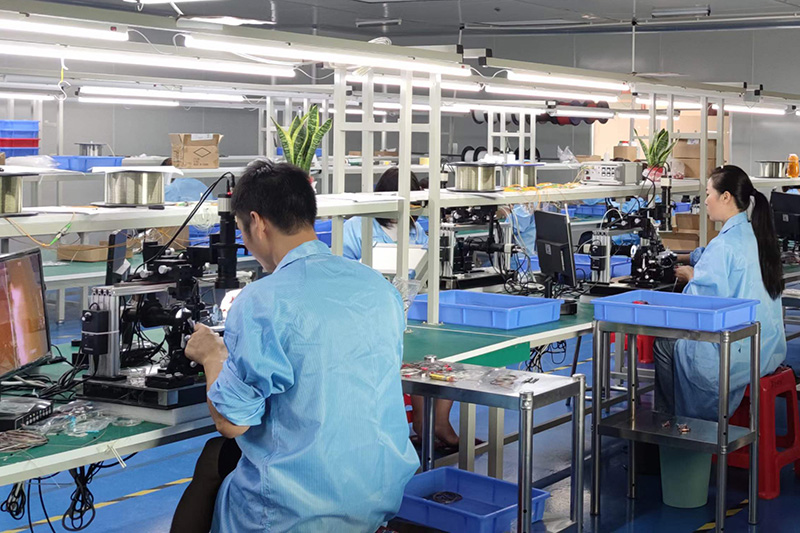
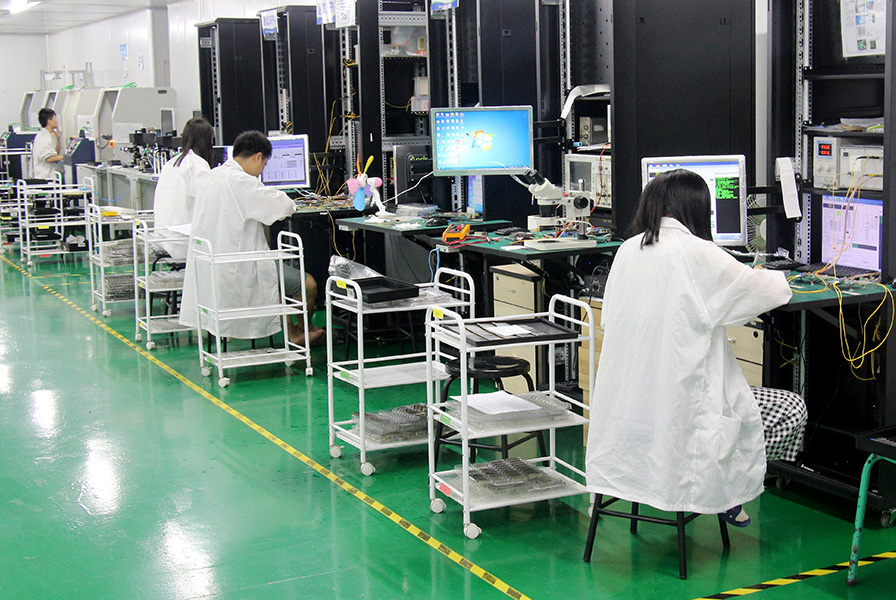
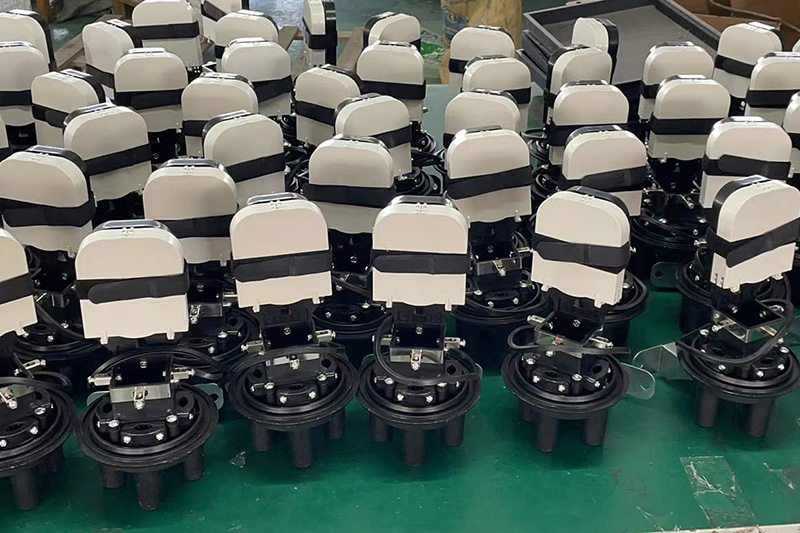
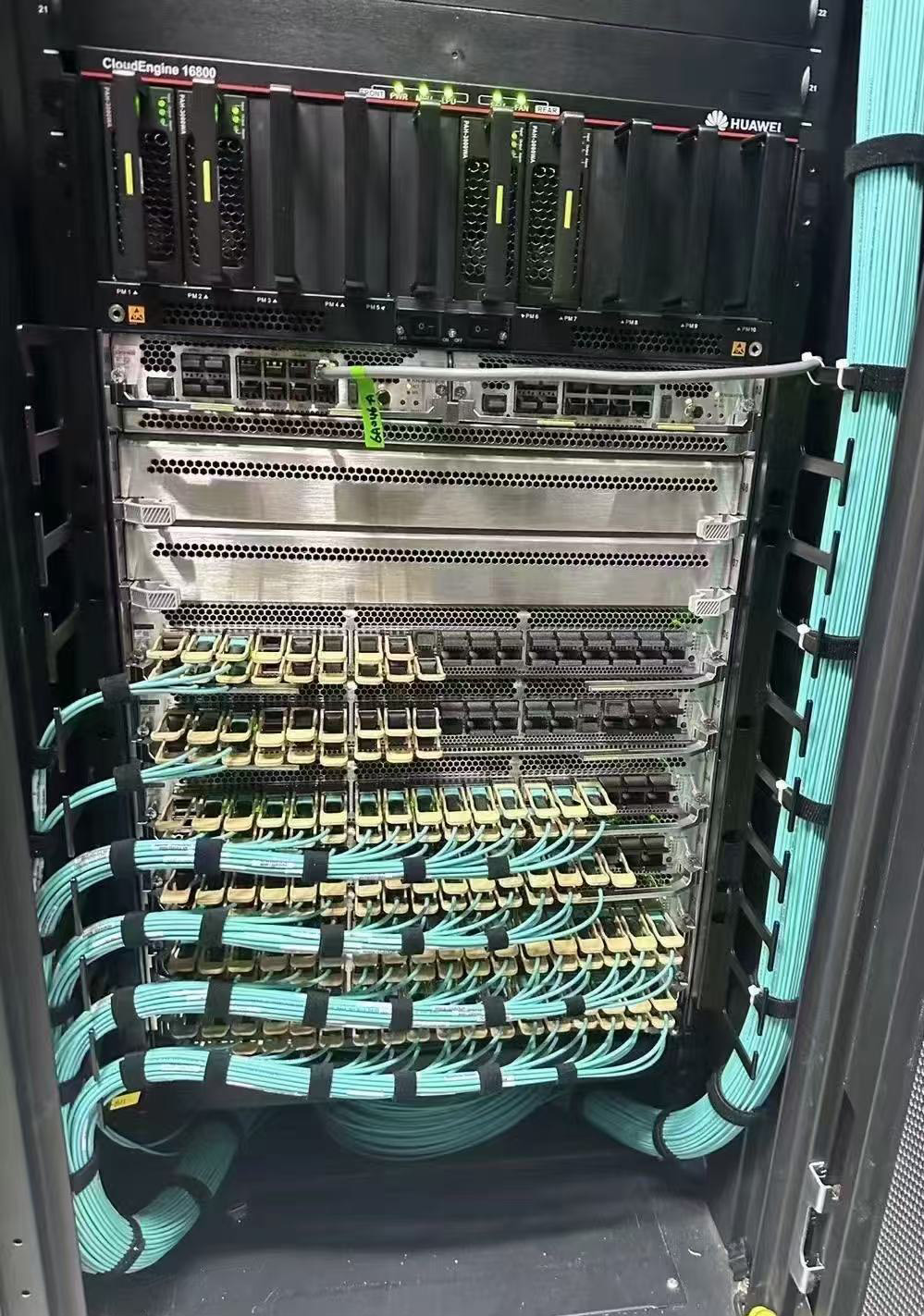

Deploying infrastructure in Central-West Africa requires specialized configurations that account for environmental stresses, local labor realities, and scalability constraints. Here are three primary application scenarios where KCO Fiber's MPO/MTP products deliver exceptional performance:
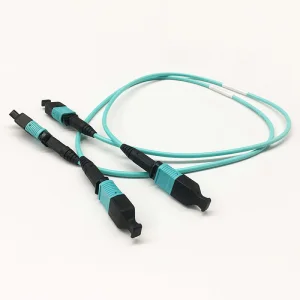
The hydrocarbons sector in Equatorial Guinea operates in highly corrosive, offshore environments. Control systems, telemetry links, and remote sensor arrays require high-speed backhauls back to onshore data repositories. KCO Fiber's customized tactical armored MPO break-out assemblies are engineered to resist chemical vapors, seawater ingress, and physical damage from heavy handling. By utilizing high-density MPO connectors, platform networks can pack up to 144 optical channels into a single armored cable run, minimizing weight and space constraints on cable trays.
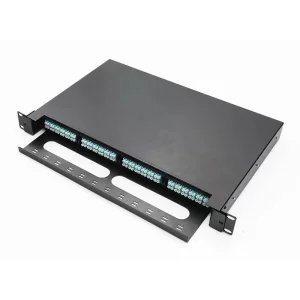
As the nerve center of Equatorial Guinea's digital infrastructure, data centers in Malabo II require ultra-low latency and modular architectures. Our 1U/2U High-Density MTP MPO Patch Panels (holding up to 192 fibers) and MPO/MTP Cassettes enable rapid connection configurations. By switching from manual splicing to factory-terminated MPO/MTP plug-and-play modules, installers reduce installation times by up to 80% and limit connection errors in local core switches.
LTE expansions and future 5G macro stations in Bata require rugged optical paths up the cell towers. Our compatible Nokia NSN DLC Field Patch Cords provide weather-sealed optical connections that survive extreme UV exposure and high-frequency vibrations, ensuring stable backhaul links under severe tropical rainstorms.
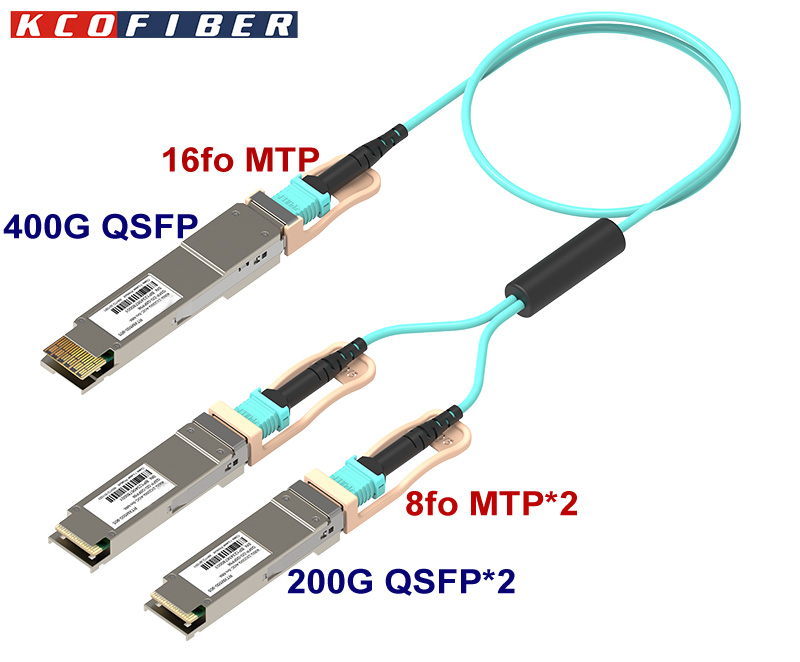
KCO Fiber provides comprehensive customization options to meet unique project specifications. We support engineering partnerships through:
Explore our broader selection of high-performance passive assemblies, distribution systems, and accessories.
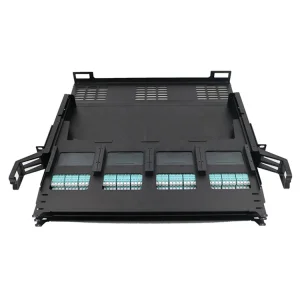
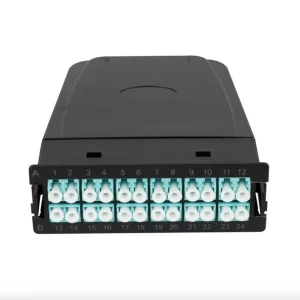
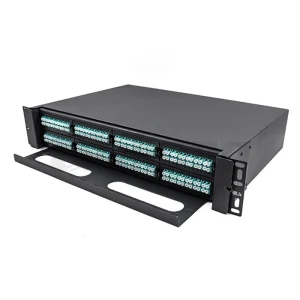
Sourcing optical network assets for remote implementations requires close attention to international technical standards, testing protocols, and freight logistics.
Ensure that any imported optical components carry ISO9001, RoHS, and CE certifications. MPO/MTP assemblies should match IEC 61754-7 and TIA-604-5 (FOCIS 5) intermateability standards. Standard installations in sub-Saharan climates benefit from LSZH (Low Smoke Zero Halogen) or PE sheathing rather than standard PVC, protecting lines from high tropical heat and reducing toxic emissions in enclosed spaces during an electrical fault.
Before shipment, require your supplier to provide 3D interferometer verification certificates showing that physical parameters (curvature radius, fiber height, and apex offset) comply with IEC requirements. Every multi-fiber connector must undergo Insertion Loss (IL) and Return Loss (RL) testing across all pathways. For single-mode networks, demand Angled Physical Contact (APC) polish finishes to minimize back reflections.
With major marine gateways in Malabo Port (Bioko Island) and Bata Port (Continental Region), shipping via LCL/FCL ocean freight is the most cost-effective solution for bulk cable installations. For urgent projects, express air freight via Malabo International Airport (SSG) delivers orders in 7-10 business days. We coordinate transit insurance and supply detailed documentation (including Certificates of Origin and Clean Reports of Findings) to simplify customs processing.
Common technical inquiries regarding MPO/MTP component deployment in Equatorial Guinea.
Get in touch with KCO Fiber today. Our engineers will review your drawings, supply detailed budget quotes, and optimize your high-density deployment specifications.
Send Inquiry Now KOCENT OPTEC