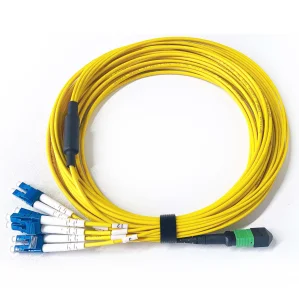
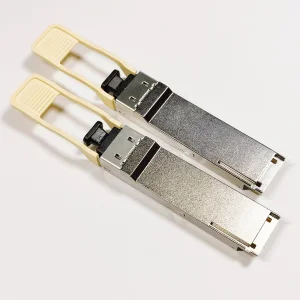
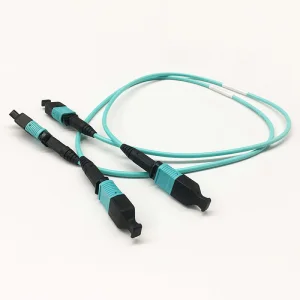
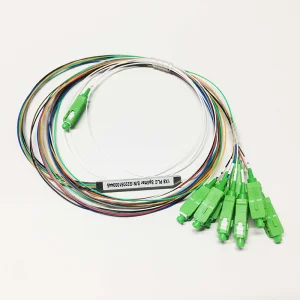
High-performance passive and active optical components engineered for telecommunication networks, high-density enterprise environments, and modern data centers.
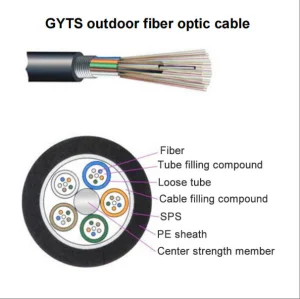
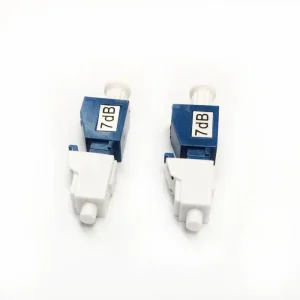
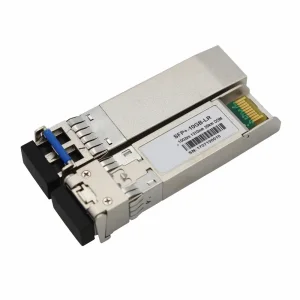
Established in 2012 in Hong Kong as a high-technology communication enterprise, Kocent Optec Limited (brand name: KCO Fiber) has grown to become one of China's premier manufacturers and turnkey solution providers of fiber optic termination products. Over the past decade, the rapid evolution of 5G, fiber-to-the-home (FTTH), and hyperscale data centers has transformed global network architectures. In this context, the physical layer remains the most critical foundation for network uptime, transmission speeds, and environmental resistance.
We are dedicated to developing and manufacturing high-density fiber optic communication products spanning the spectrum of passive and active fiber components. Our product portfolio is strategically tailored for telecommunication networks, large-scale enterprise local area networks (LANs), data centers, and tactical fiber networks. By leveraging our extensive engineering expertise and robust manufacturing capabilities, we magnify the outcome for our valuable customers, helping them expand their core competencies, mitigate network failure risks, and outperform competitors worldwide.

An analytical overview of market demands, deployment environments, and international standards governing optical distribution networks.
In modern optical distribution networks (ODN), the Fiber Optic Splice Closure (FOSC) acts as the vital protective shell for glass fiber splices. As telecom carriers migrate from traditional copper networks to fiber-to-the-x (FTTx) structures, the global demand for FOSCs has expanded exponentially. According to recent market analysis, urbanization, smart city initiatives, and the rollout of rural broadband initiatives in North America and Western Europe have placed a premium on FOSCs that offer reliable sealing, mechanical durability, and modular expandability.
The global deployment environments present severe challenges. Enclosures are regularly installed in buried handholes, mounted on utility poles, laid directly in waterlogged soils, or suspended on high-voltage transmission towers. In these locations, they are subjected to extreme temperature fluctuations (from -40°C in high-latitude zones to +65°C in tropical and desert regions), mechanical impacts, rodent attacks, chemical exposure in municipal sewers, and high ultraviolet (UV) radiation. A single moisture ingress event can cause rapid signal attenuation or complete link failure, resulting in expensive repair dispatches and costly service outages for carriers.
Consequently, global tier-1 operators demand strict compliance with international reliability standards, such as Telcordia GR-771-CORE, which details the requirements for fiber optic splice closures in all outdoor environments. In addition, the IEC 61300 series governs mechanical test configurations, chemical resistance testing, and thermal cycling criteria. KCO Fiber addresses these demands by designing dome and horizontal closures featuring premium materials (such as modified high-impact Polypropylene (PP) and Polycarbonate (PC)) and state-of-the-art vulcanized silicone gel seals that permit repeated re-entry without compromising seal integrity.
The design choices, material specifications, and engineering philosophies that define our next-generation splice closure systems.
We utilize modified high-density Polypropylene (PP) blended with anti-aging, UV-stabilizing, and flame-retardant additives. This ensures high structural rigidity, resistance to environmental stress cracking, and long-term protection against continuous sunlight exposure and underground chemical hazards.
Our engineering portfolio includes both Heat-Shrink Sealing (ideal for stable, long-term buried deployments) and Mechanical Compression Sealing using high-performance vulcanized silicone gaskets. Mechanical seals offer reusable, toolless entry, simplifying network upgrades and maintenance.
Optimized internal splice tray design prevents bend radius violations. Built-in routing channels maintain a minimum bending radius of 30mm for all standard single-mode and multi-mode fibers (such as ITU-T G.652D and G.657A1/A2), preventing macrobending loss.
Understanding the transition towards smart infrastructure, higher density, and accelerated deployment cycles.
A look inside Kocent Optec's state-of-the-art production lines, where quality control and industrial precision are our primary benchmarks.
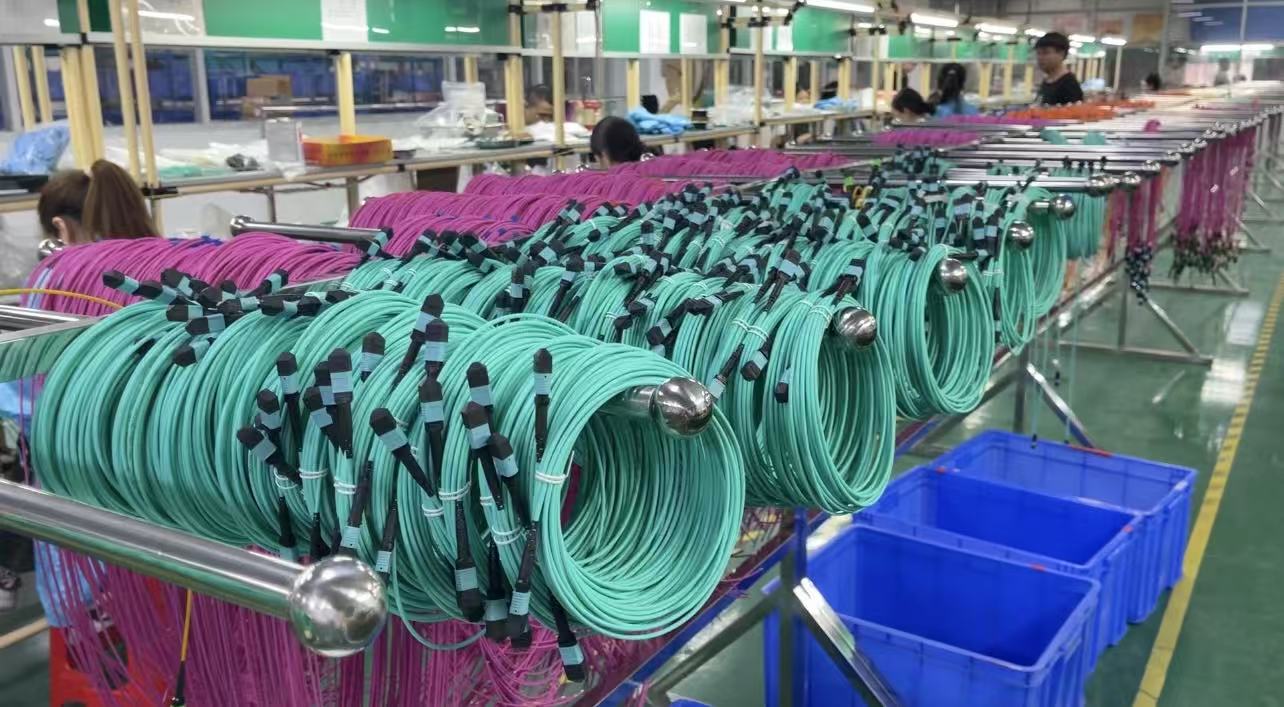
At KCO Fiber, we believe that high-performance products start with disciplined manufacturing. With over 13 years of experience in producing telecommunication-grade fiber products, we strictly adhere to international standards. We utilize mature scientific methods to ensure timely delivery and verify that 100% of our products undergo rigorous testing and inspection before shipping.
Our facility houses specialized production lines equipped with advanced automated and semi-automated machinery to maintain tight tolerances and ensure reliable, repeatable performance across all product batches.
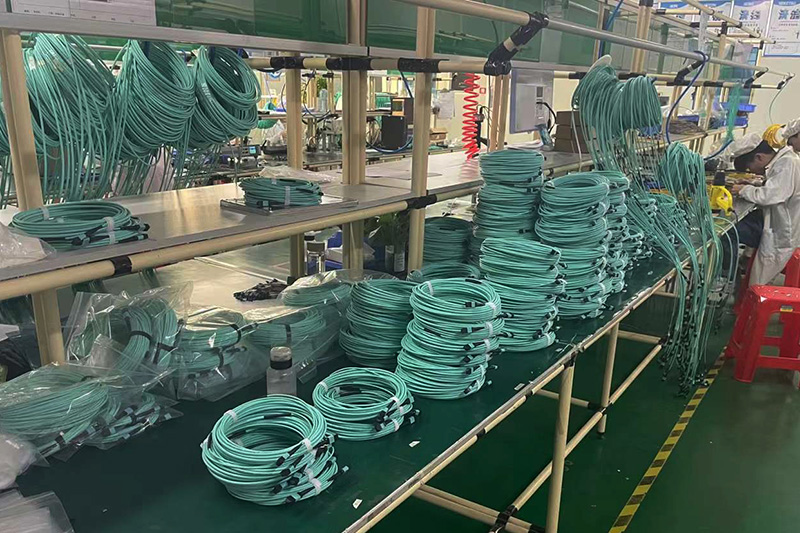
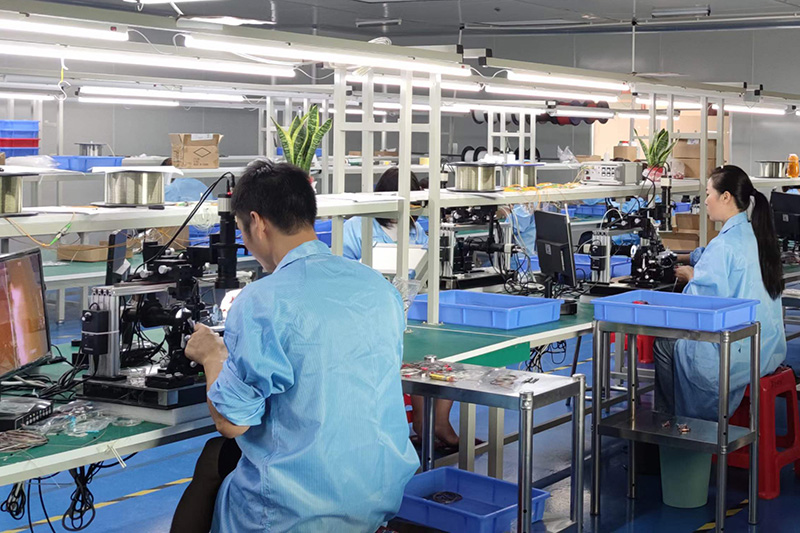
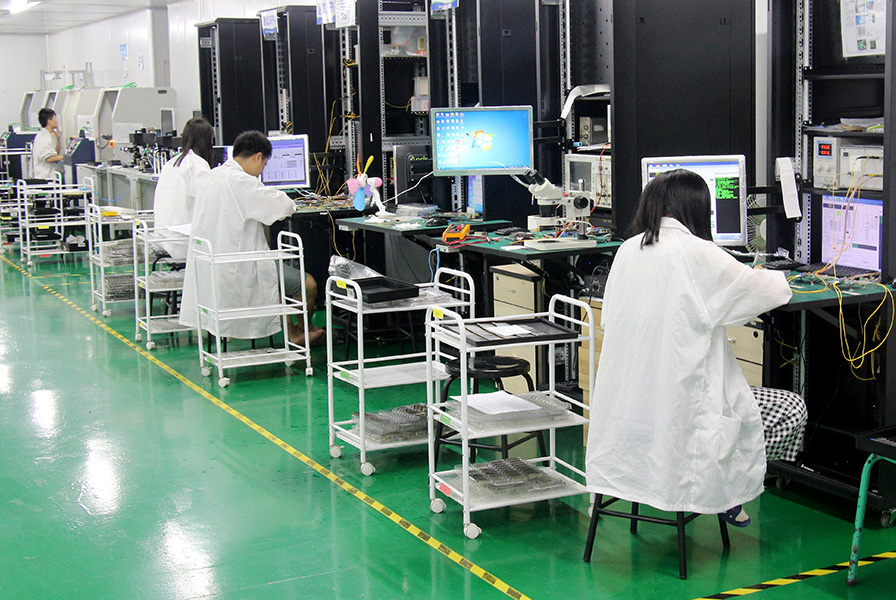
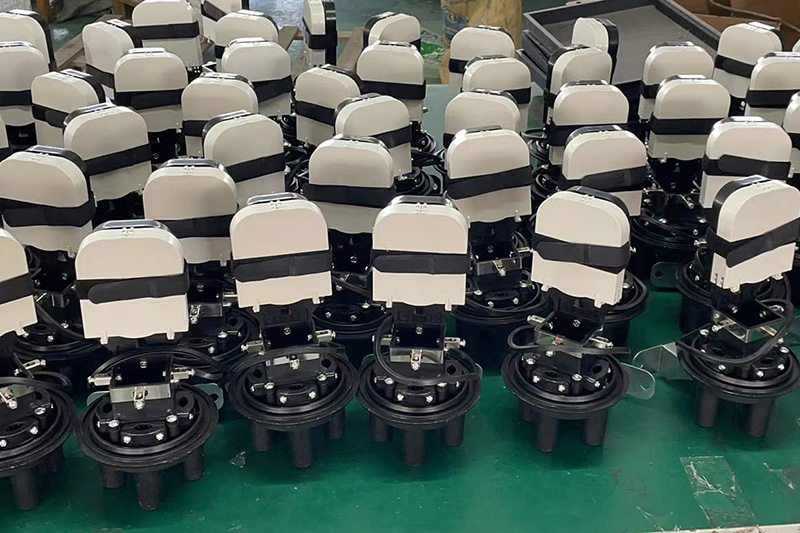
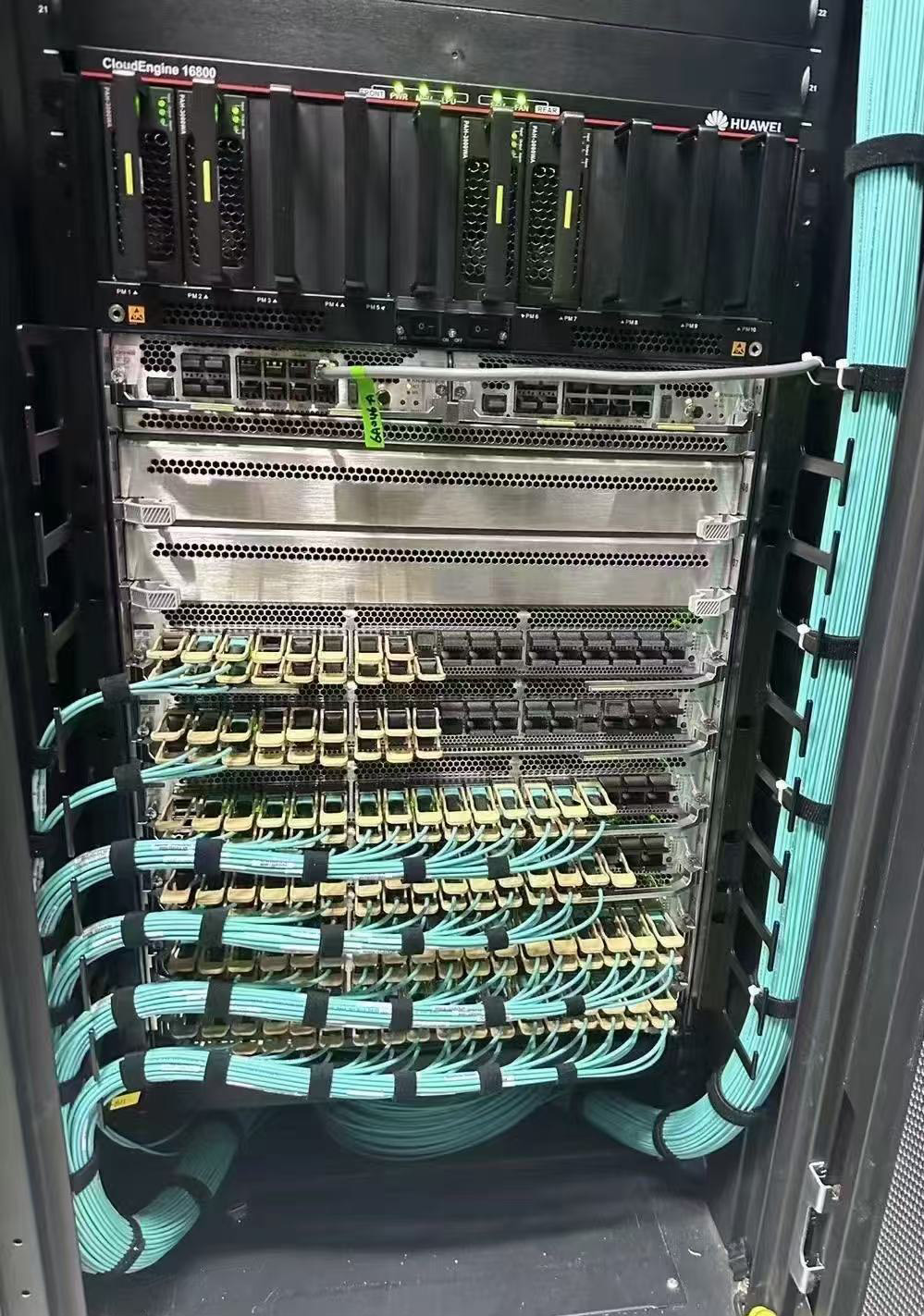

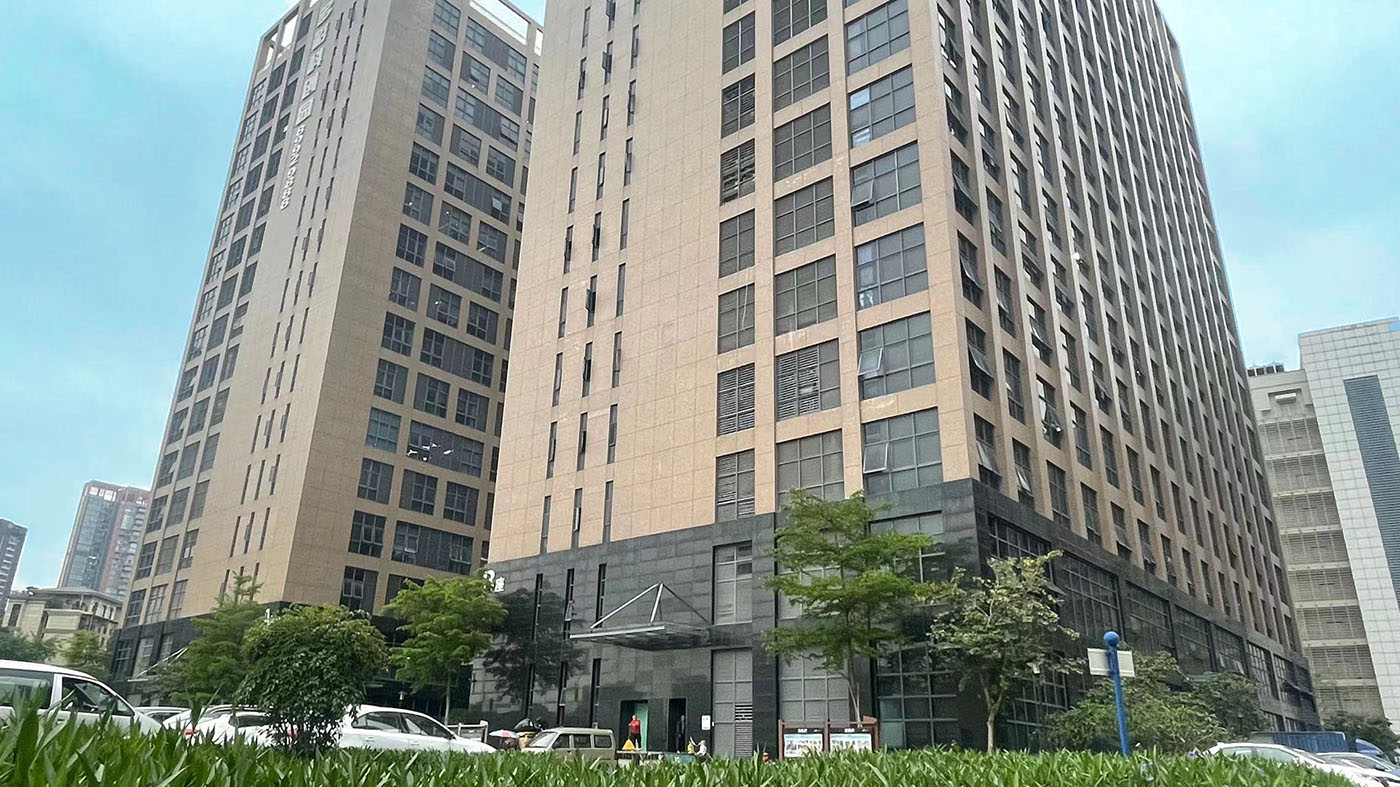
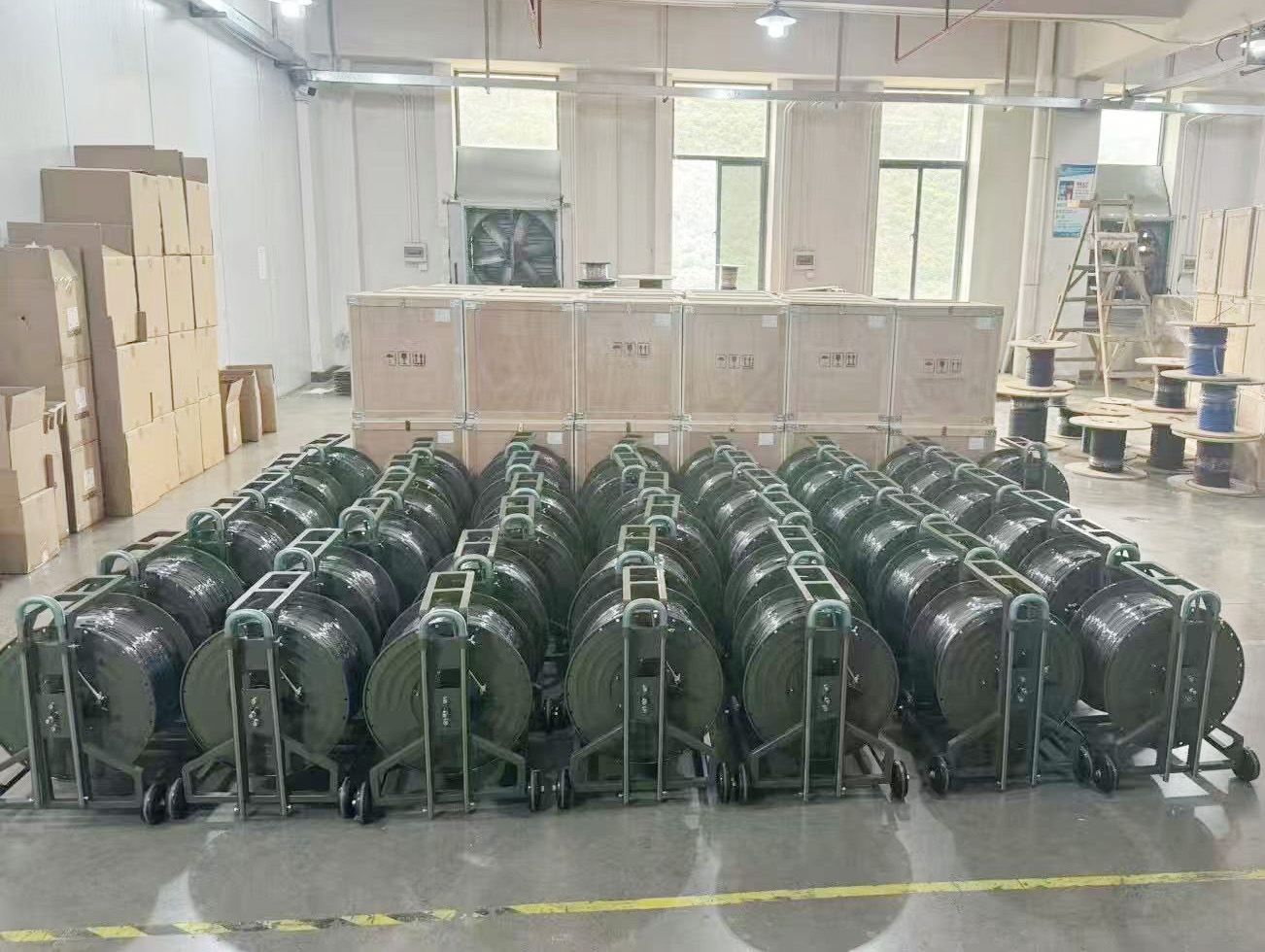
From drawing designs to custom printing and optical tuning, we partner with clients to deliver bespoke connectivity products.
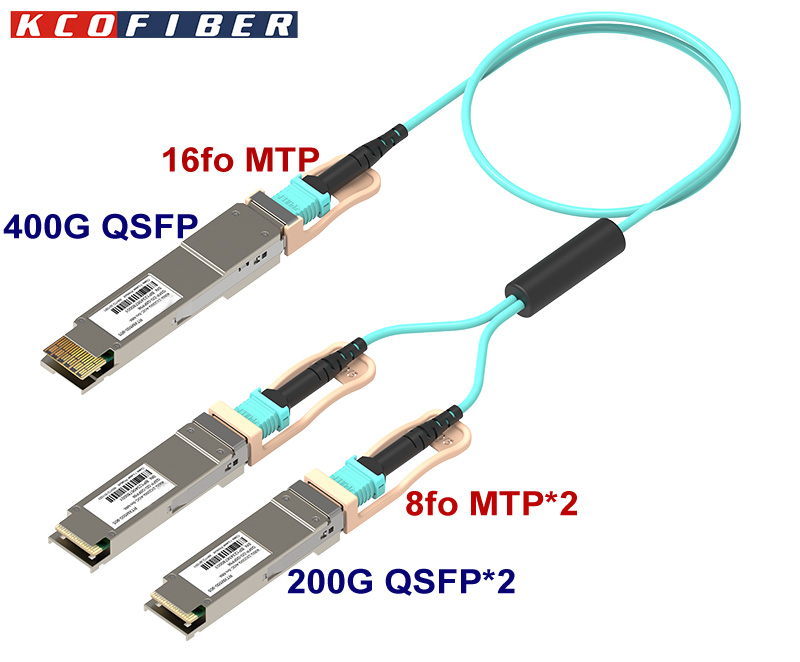
KCO Fiber provides a comprehensive consultative approach to engineering custom optical products. Based on strong R&D and professional manufacturing capabilities, we respond quickly to customers, offering cost-effective OEM services and personalized product design based on specific application demands.
Under OEM/ODM agreements, our design partners and technical sales team cooperate closely with clients to build robust, application-specific products. We welcome all customers to develop original equipment manufacturing partnerships or long-term contract relationships with us.
ODM/OEM services are subject to specific MOQ requirements depending on the product family. Please contact our technical sales team to discuss detailed design drawings, lead times, and MOQ structures.
Engineered for real-world deployments. Our product range is designed to perform in harsh environmental conditions and diverse topological architectures.
Supporting high-density residential broadband rollouts. KCO solutions bridge the central office (CO) to customer premises equipment (CPE) efficiently.
Ensuring weather-resistant, low-loss connections for remote radio heads (RRH) mounted on telecom towers.
Providing high-density optical routing to support virtualization, edge computing, and artificial intelligence workloads.
Detailed technical answers to common questions regarding optical networks and fiber optic splice closures.
Inline (horizontal) closures resemble flat boxes. They are typically chosen for handhole, wall-mounted, or aerial installations because they lay flat and feature entry ports at both ends, making them suitable for inline or loop-through splicing.
Dome (vertical) closures have a cylindrical design with all cable entries at one end. They are preferred for underground handholes and direct buried applications. Because of their "bell-jar" style design, air can trap inside the dome to prevent water ingress if the environment floods, providing exceptional long-term moisture resistance.
The IP68 rating defines the highest level of ingress protection for dust and moisture. Under telecom testing conditions (e.g., Telcordia GR-771-CORE or IEC 61300), the closure must withstand continuous water submersion (typically at 3 meters depth for 7 to 14 days) and show zero water ingress. During testing, closures are pressurized to verify that no air leaks from the seal interfaces under temperature cycling.
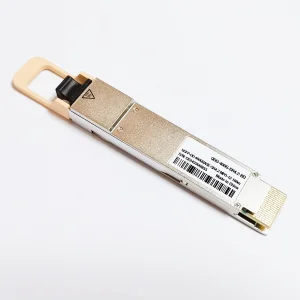
Compatibility is achieved through specialized EEPROM programming. Each hardware manufacturer (Cisco, Juniper, HP, etc.) utilizes proprietary signature codes stored within the transceiver's memory. KCO Fiber writes these brand-specific signatures into the transceiver's firmware, ensuring the host switch recognizes the module, monitors parameters via Digital Diagnostics Monitoring (DDM), and prevents "unsupported transceiver" system errors.
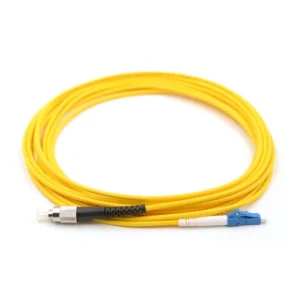
Traditional G.652.D single-mode fiber is susceptible to bend-induced loss (macrobending) when routed around sharp corners. ITU-T G.657.A1 and A2 fibers are bend-insensitive. They feature a modified glass refractive index profile that allows for bending radii down to 10mm (for A1) and 7.5mm (for A2) with negligible signal loss, making them ideal for challenging indoor FTTH drop installations.
Heat-shrink sealing utilizes thermoplastic sleeves that shrink around the cable entry ports when heated, creating a secure seal. This method is highly reliable for permanent, direct-buried lines.
Mechanical sealing uses compressed silicone or rubber gaskets. It does not require a heat source (like a torch or hot air gun), reduces installation time, and allows the closure to be easily opened and re-sealed for network re-entry or upgrades.
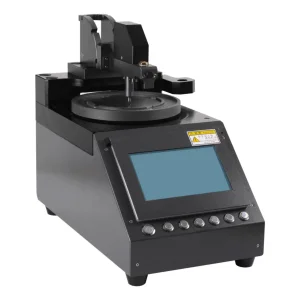
Our facility uses automated polishing machines (such as the KCO-PM-MPO-06) and high-magnification digital inspection systems. We perform 100% testing on insertion loss (IL) and return loss (RL). For single-mode connectors, we maintain IL ≤ 0.2dB and RL ≥ 60dB (for APC terminations), ensuring low back-reflections and high performance in high-speed, long-distance transmission networks.
High-performance passive splitters, distribution enclosures, and fiber optic transceivers to build a reliable physical layer.
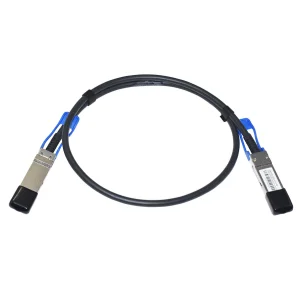
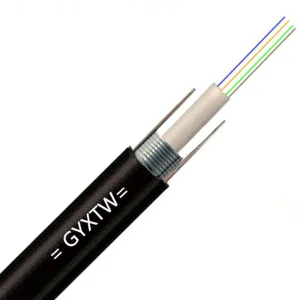
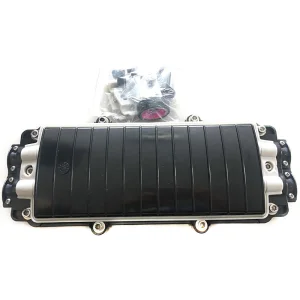
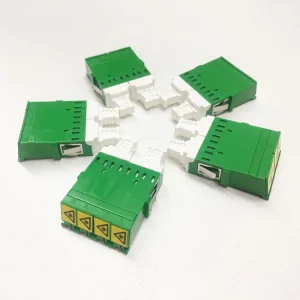
By prioritizing research, state-of-the-art materials engineering, and customer collaboration, Kocent Optec Limited designs, tests, and delivers high-performance optical solutions. We stand ready to customize and manufacture products that match your specific network topologies, environments, and business budgets.
 KOCENT OPTEC