High-reliability tactical cabling and optical components engineered for next-generation telecommunication infrastructure in Takamaka.
The global telecommunications landscape is witnessing an exponential shift towards high-frequency radio architectures, predominantly driven by 5G Standalone (SA) and upcoming 6G deployments. At the core of this transition is Fiber-to-the-Antenna (FTTA) technology, which replaces traditional high-loss coaxial lines with optical fibers. By carrying digital signals directly to the masthead via Common Public Radio Interface (CPRI) or eCPRI protocols, FTTA reduces power consumption, enhances bandwidth capacity, and eliminates signal degradation over long vertical runs.
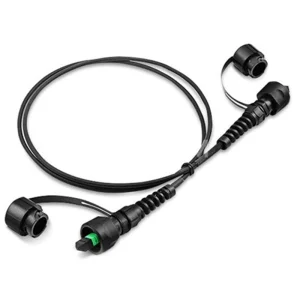
In regions like Takamaka, located on the southern coast of Mahé in the Seychelles, localized geographic and environmental challenges demand distinct physical layer designs. As an equatorial, coastal environment, the telecommunication infrastructure here is continuously exposed to high salt aerosolization, extreme humidity, and cyclic heavy precipitation. Standard indoor or basic outdoor optical assemblies deteriorate rapidly under these conditions, causing microscopic water ingress and eventual fiber span failure. Therefore, deployment sites across Takamaka require specialized, hermetically sealed, IP67-rated connectors (such as PDLC and ODVA MPO series) to guarantee uninterrupted mobile connectivity for residents, hospitality sectors, and marine navigational networks.
Operating in tropical microclimates requires deep expertise in materials science. Salt fog testing (IEC 60068-2-11) is a critical quality standard for our FTTA solutions. By implementing stainless steel housing components, TPU-jacketed military-grade tactical cables, and premium anti-corrosion optical couplers, we ensure that base stations deployed on Takamaka's rugged coastlines remain active for decades. These robust configurations reduce carrier operational expenses (OPEX) by minimizing high-altitude mast maintenance calls, which are costly and logistically complex in remote islands.
Kocent Optec Limited offers a comprehensive portfolio of active and passive optical communication components designed to bridge the gap between high-capacity data centers and rugged edge networks. From high-density MTP/MPO systems to highly distributed optical splitters, our systems are optimized for maximum efficiency.
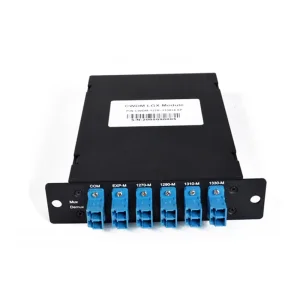
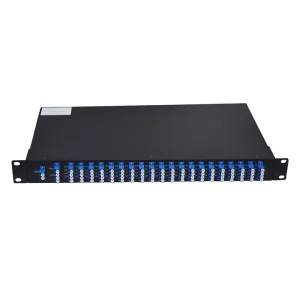
By leveraging CWDM and DWDM systems (Mux Demux modules), we allow telecommunication providers to multiply existing fiber backhaul capacity up to 40 times without laying new physical cables—a critical cost-saver for regional networks in Takamaka.
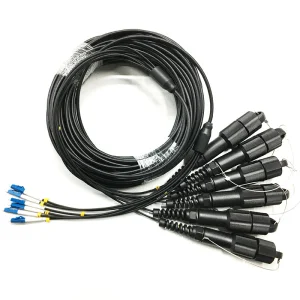
Equipped with screw-lock bayonet couplings and water-blocking gels, our IP67 tactical cables maintain low insertion loss (<0.3dB) even during torrential rainfall and saline wind exposure.
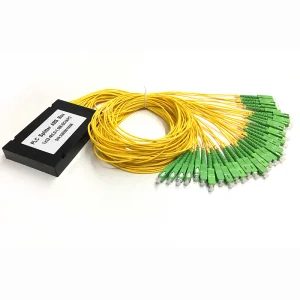
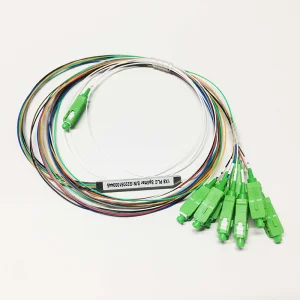
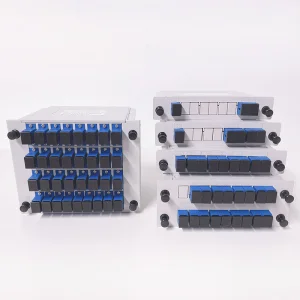
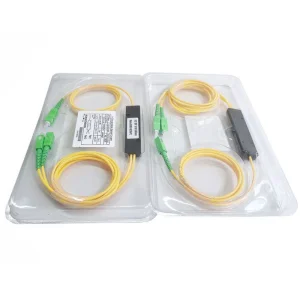
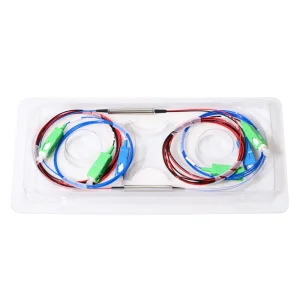
Our PLC Splitters (ranging from 1x2 to 1x32 formats) ensure uniform optical power distribution across FTTH nodes, supplying consistent gigabit access to residences and resorts alike.

Established in 2012 in Hong Kong as a high-tech communication enterprise, Kocent Optec Limited has grown to become one of China's premier fiber optic termination product manufacturers and solution providers.
We are dedicated to developing and manufacturing fiber optic communication products ranging from passive to active categories for telecommunication networks, enterprise networks, and modern data centers. By leveraging our extensive experience and excellent production capacity gained over the years, we magnify the outcome for our valuable customers, which ultimately expands their core competencies and helps them outperform competitors.
"We place emphasis on customer collaboration, and we define ourselves as your valuable partner in fiber optic connection solutions. We believe our differentiators are your perceived advantages."
With more than 13 years of experience in manufacturing telecommunication fiber optic products, we strictly follow international fiber optic industry standards (ITU-T, Telcordia GR-326-CORE) by using mature scientific methods to deliver your products on time and ensure that 100% of products are tested and inspected before shipment.
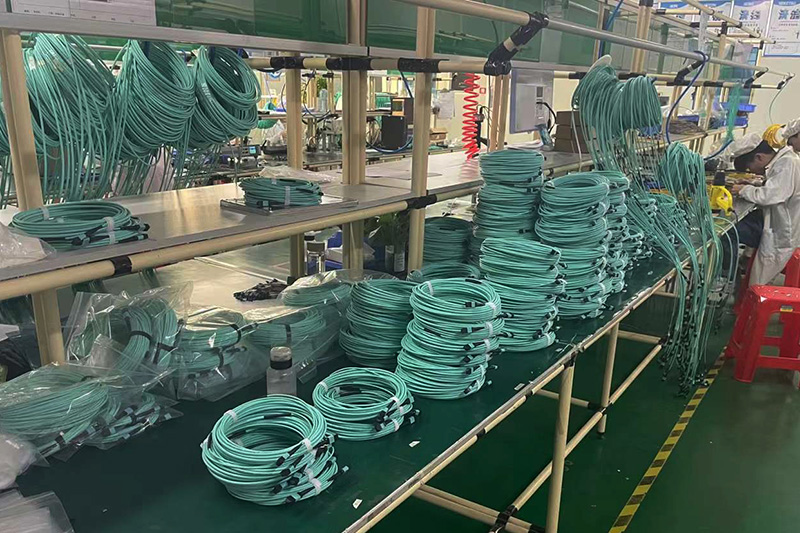
MTP MPO Production Line
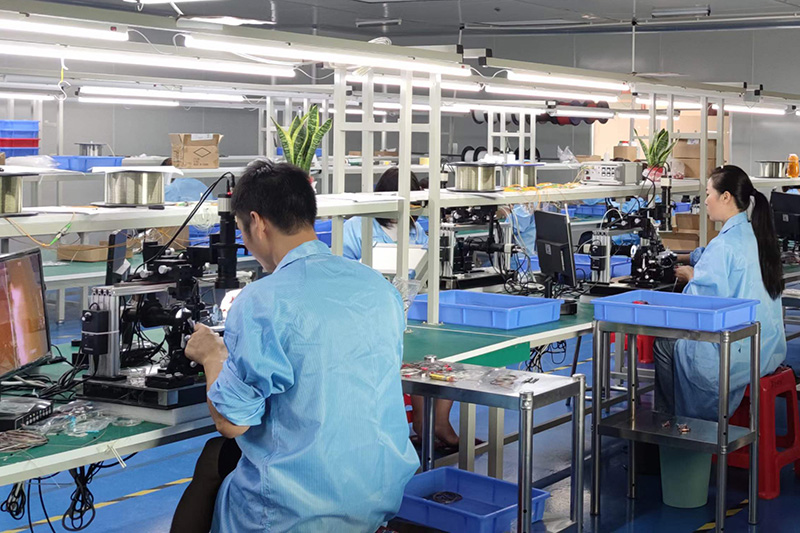
PLC Splitter Production Line
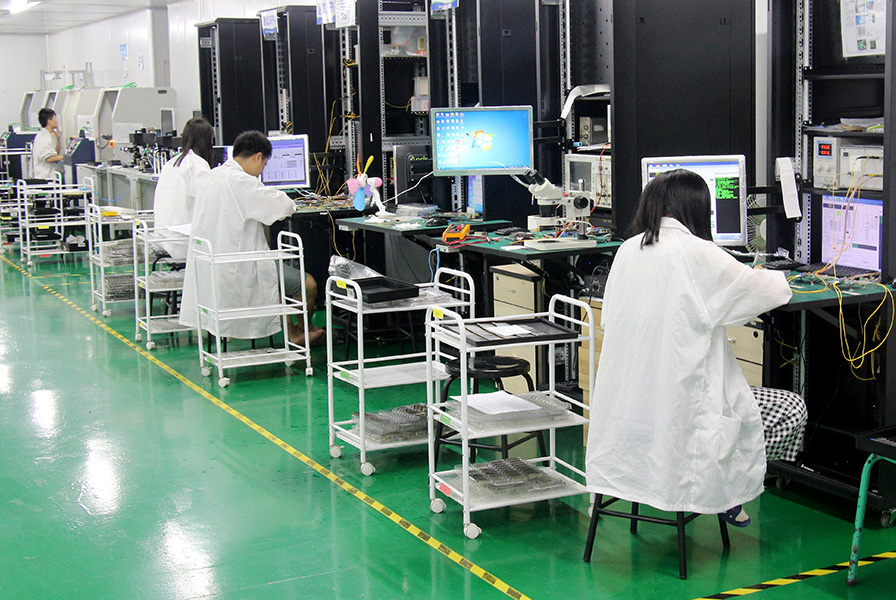
SFP QSFP Production Line
Our production floor is optimized for multiple assembly lines, including dedicated sectors for Fiber Distribution Boxes (FDB), Fiber Optic Splice Closures (FOSC), and highly sophisticated active transceivers (SFP/SFP+/QSFP/QSFP28/AOC/DAC). Each component undergoes stringent geometric parameter testing using 3D interferometers to ensure optimal physical contact and minimal back-reflections.
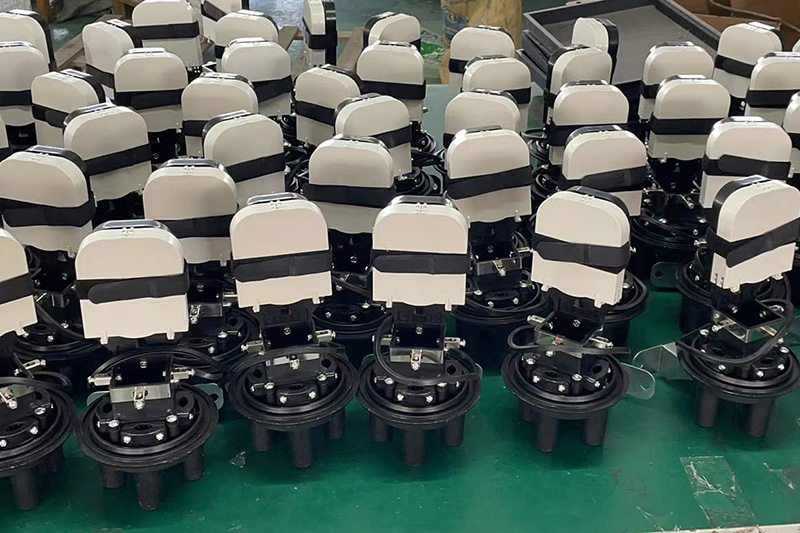
Heavy-duty injection molding and optical sealing testing for outdoor splice closures.
Tailoring physical and logical layer connectivity to integrate seamlessly with global network topologies.
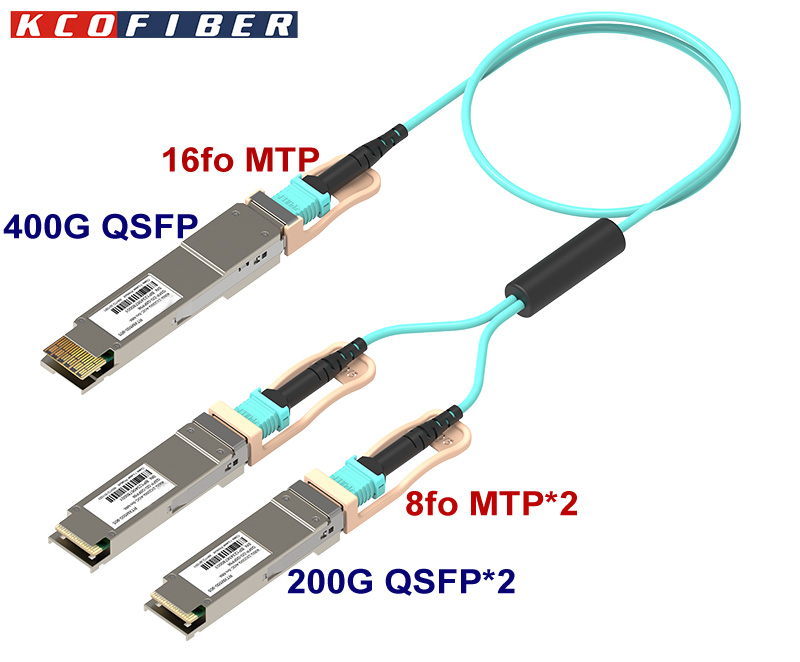
KCO Fiber provides SFP, SFP+, QSFP, AOC, and DAC solutions that are 100% compatible with major switching and routing hardware manufacturers globally, including: Cisco, Huawei, ZTE, H3C, Juniper, HP, TP-Link, D-Link, Dell, Netgear, Ruijie, and more. Our hardware engineers write custom firmware parameters and verify EEPROM coding to bypass vendor lock-in, enabling seamless cross-platform integration.
For custom transceiver and direct attach cable assemblies, we support comprehensive customization, including custom optical design, mechanical housing configurations, high-speed PCB layouts, tailored electrical interfaces, unique software/firmware coding, specific labeling, and custom packaging. This guarantees that your network cards operate at peak efficiency with zero compatibility alerts.
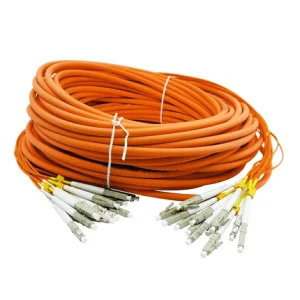
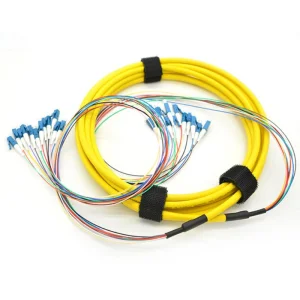
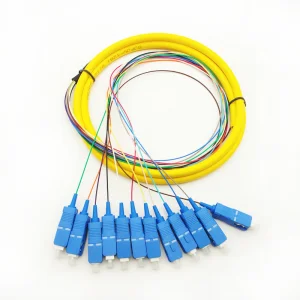
Our engineering team works closely with project designers to build custom outdoor cables. We offer tactical CPRI patch cords and MTP/MPO fiber assemblies for any fiber type (G.652D, G.657A1, G.657A2, OM3, OM4), any connector style (PDLC, ODVA, FullAXS, LC, SC), custom outer jacket colors (LSZH, PE, TPU, armored), and custom lengths from 1 meter up to 500 meters.
Additionally, KCO Fiber designs and manufactures custom physical enclosures, including Fiber Optic Terminal Boxes, Fiber Distribution Frames (ODF), and rugged Splice Closures based on your specifications or engineering drawings. These units are highly suited for harsh environments like those in Takamaka, where specialized moisture barriers and robust strain relief are required.
As network architectures evolve towards eCPRI protocols and Open-RAN (O-RAN) configurations, base stations require significantly higher bandwidth and lower latency. The physical fiber infrastructure must scale alongside these standards. KCO Fiber is actively developing optical interconnect systems that support 100G and 200G line rates directly at the masthead. By implementing high-density MPO and multi-fiber push-on connections, we enable future upgrades without replacing the main vertical fiber runs.
Modern telecommunication deployments prioritize reducing environmental footprint and increasing cable service life. Our manufacturing team utilizes zero-halogen (LSZH) materials and advanced UV-resistant polymers. These choices prevent outgassing and material degradation under intense solar radiation, ensuring a reliable network life cycle and lowering long-term maintenance costs for network operators in regions like Takamaka.
Designed for multi-vendor hardware environments, facilitating smooth transitions to open, virtualized baseband architectures.
Tight optical tolerances limit typical insertion losses to <0.15dB, maximizing power budgets for long-reach networks.
Rated for operational reliability from -40°C to +85°C, ensuring stability under intense tropical sun and humid monsoons.
Technical explanations and specifications for FTTA and passive optical components.
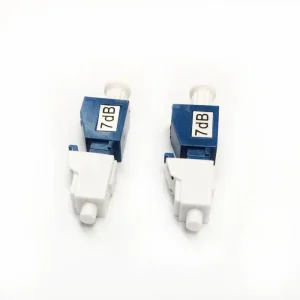
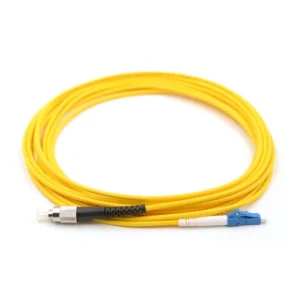
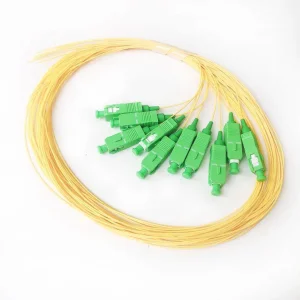
Explore our full line of passive optical splitters, CWDM/DWDM multiplexers, attenuators, and high-density fiber patch cords.
 KOCENT OPTEC