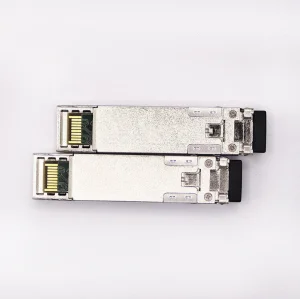
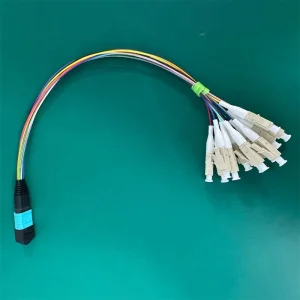
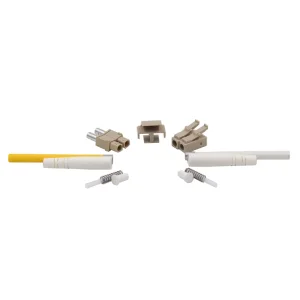
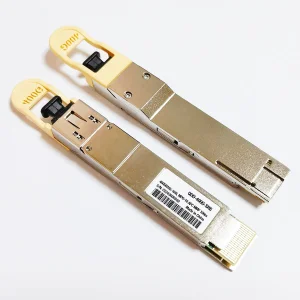
Explore our top-tier network interface modules and fiber termination equipment designed for high-density, low-latency deployments.
Kocent Optec Limited, established in 2012 in Hong Kong as a premier hi-tech communication enterprise, stands as one of China’s leading fiber optic termination product manufacturers and system solution providers.
We are passionately dedicated to researching, developing, and manufacturing high-performance fiber optic communication products. Our comprehensive portfolio spans both passive and active networking categories, supporting telecommunication networks, corporate enterprise infrastructures, and next-generation hyperscale data centers worldwide.
By leveraging our extensive engineering experience and highly optimized production facilities, we deliver scalable bandwidth capacities that expand our customers' core competencies and help them outperform their competition. We believe in strict customer collaboration, defining ourselves not just as a components vendor, but as your trusted partner in fiber optic connection solutions.

How the evolution of optical transceivers is adapting to high-performance computing, AI, and next-generation telecommunications.
With artificial intelligence (AI) workloads and machine learning (ML) architectures demanding unprecedented data throughput, data centers are actively upgrading from legacy 10G/40G structures to 100G QSFP28, 400G QSFP-DD, and 800G coherent optics. High packaging density and low thermal dissipation are critical metrics for modern transceiver design.
Co-Packaged Optics (CPO) and Silicon Photonics are transforming optical modules by integrating optics directly with the ASIC switch chip. This paradigm shift addresses the electrical loss and physical space limitations of traditional pluggable modules, drastically lowering power consumption per gigabit of data.
Power Usage Effectiveness (PUE) is a central priority for global procurement officers. Transceiver architectures must leverage advanced DSPs and low-power laser drivers to reduce thermal signatures, decreasing operational cooling expenses and aligning with international sustainability goals.
We solve the key challenges of brand lock-in and high pricing by offering completely custom coding, mechanical design, and testing protocols. Our transceivers are engineered to match original manufacturer specifications, ensuring seamless network integration.

Purchasing agents and network architects face high pressure regarding multi-vendor interoperability, shipment delays, and inconsistent quality control. Kocent Optec Limited addresses these challenges with:
A look inside Kocent Optec Limited's advanced production environment, showing our high-speed automated lines and strict testing procedures.
With a comprehensive footprint spanning research and development to high-volume output, we strictly adhere to international telecommunication standards (including Telcordia GR-468-CORE and ISO9001 quality systems). 100% of our products undergo thorough inspection and compatibility sweeping before shipment, ensuring reliable field deployment.
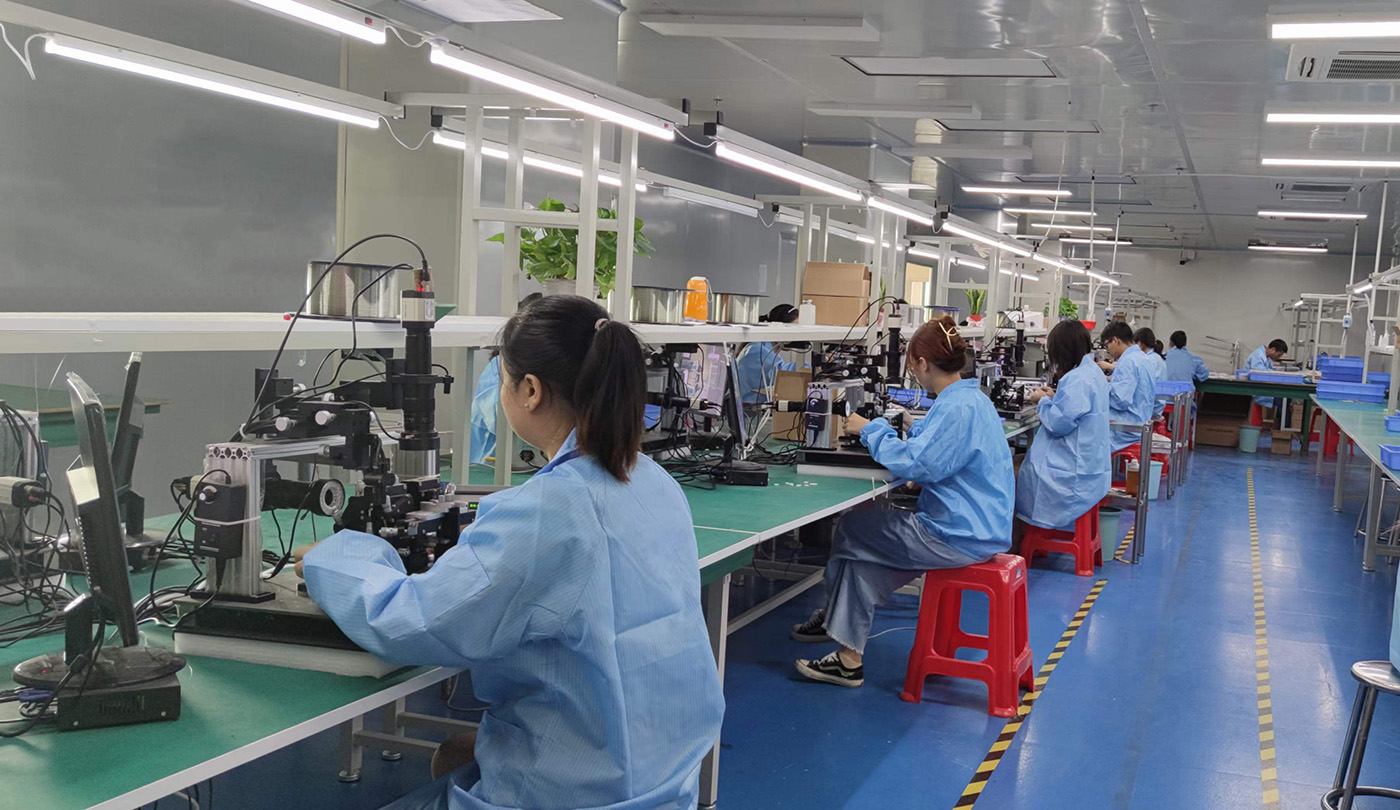
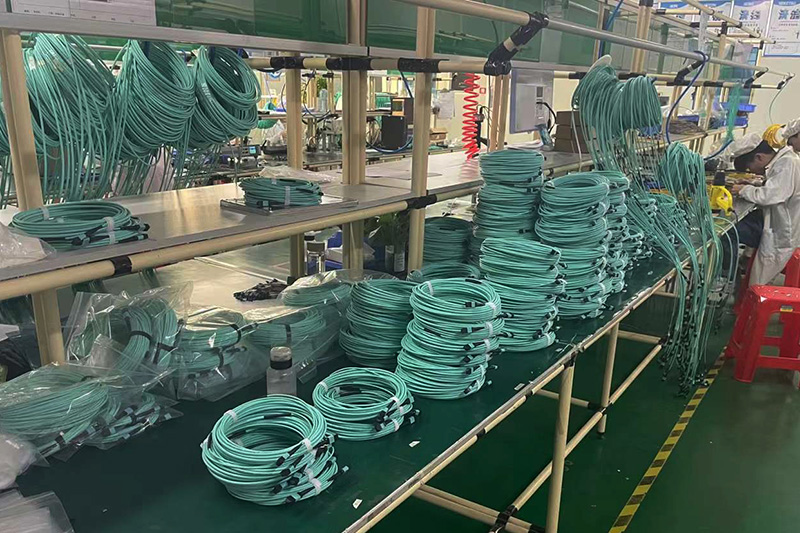
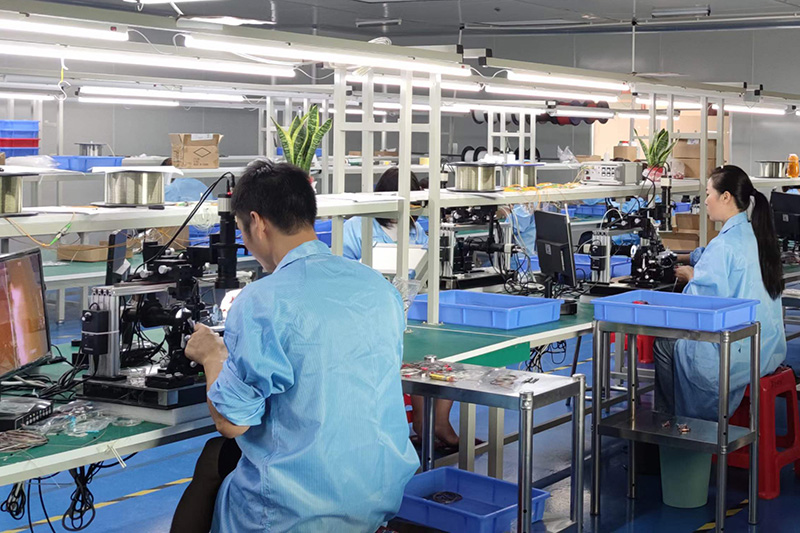
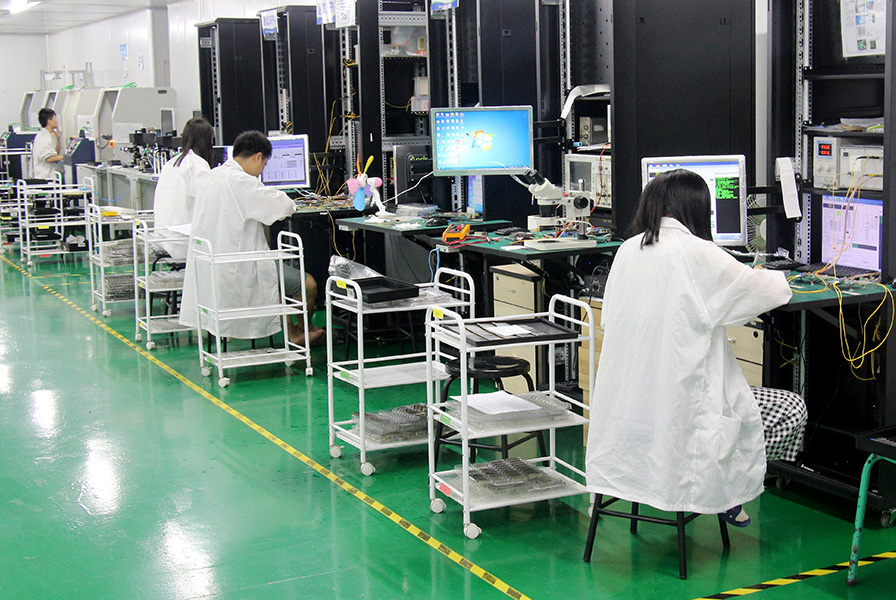
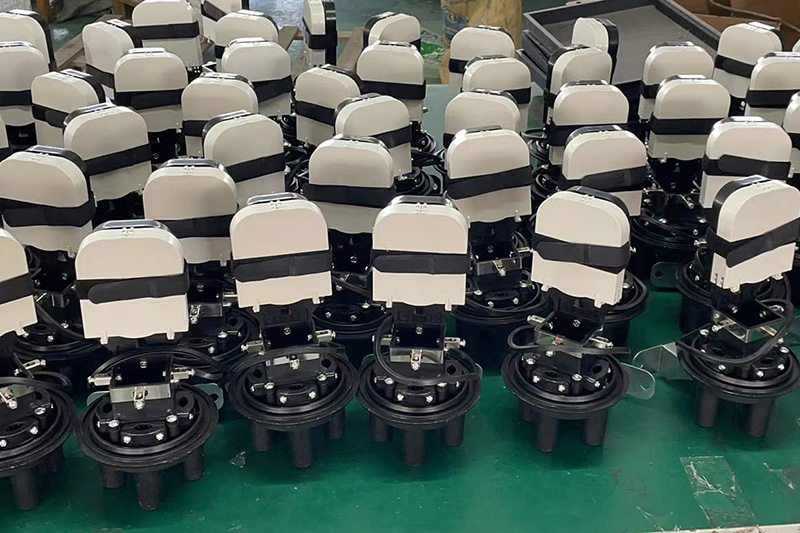
A closer look at our testing chambers, assembly steps, and quality-assurance workstations.
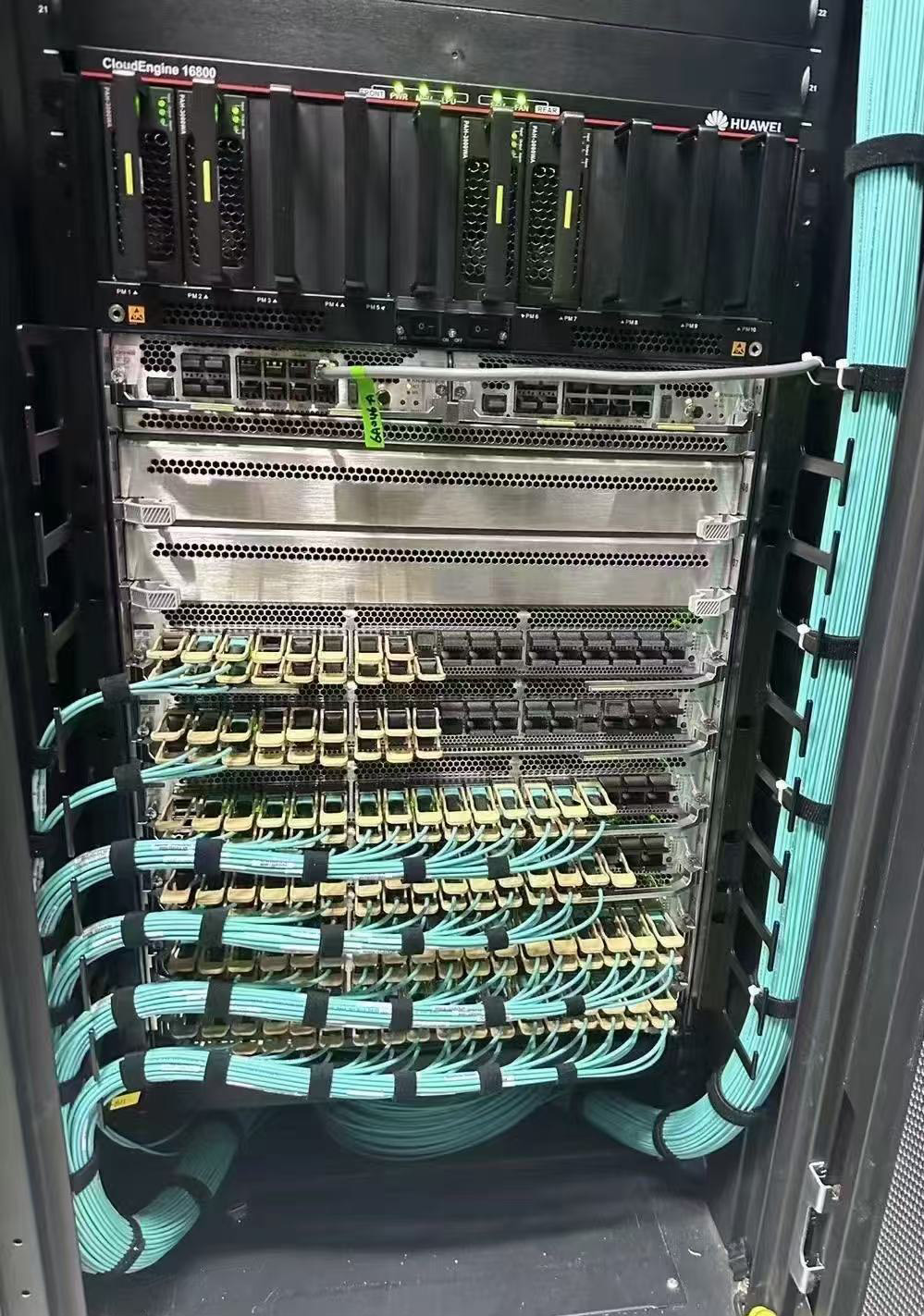


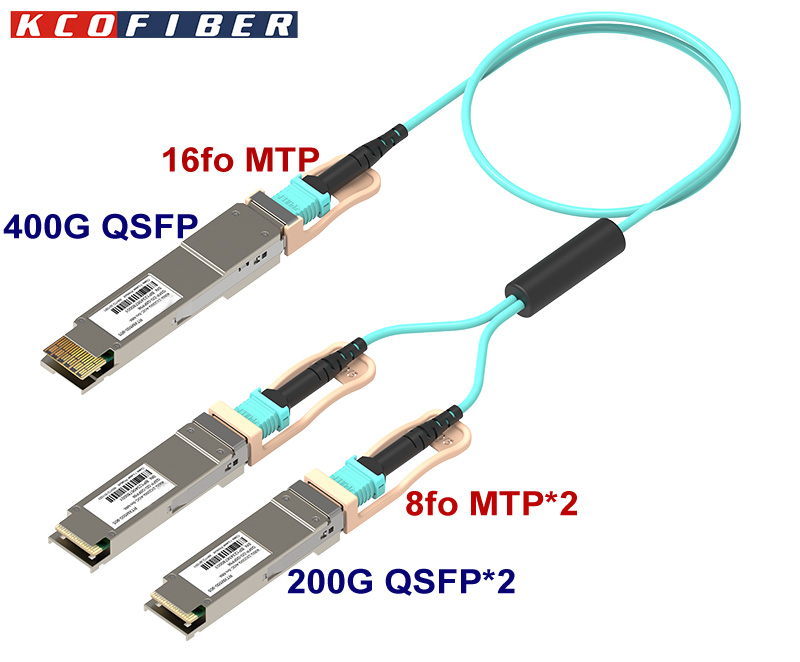
Modern data communications require robust hardware that can translate high-speed electrical signals into reliable optical streams. Transceivers are critical components in these networks, bridging active switching hardware and passive fiber distribution layers.
Data center topologies have transitioned from hierarchical core-aggregation-access designs to high-speed Leaf-Spine architectures. In a Leaf-Spine fabric, every leaf switch connects to every spine switch, which increases east-west data traffic. To support these connections, high-density transceivers are required at every point. SFP28 (25G) and QSFP28 (100G) modules have become standard in these environments, offering an optimal balance of cost, power, and speed.
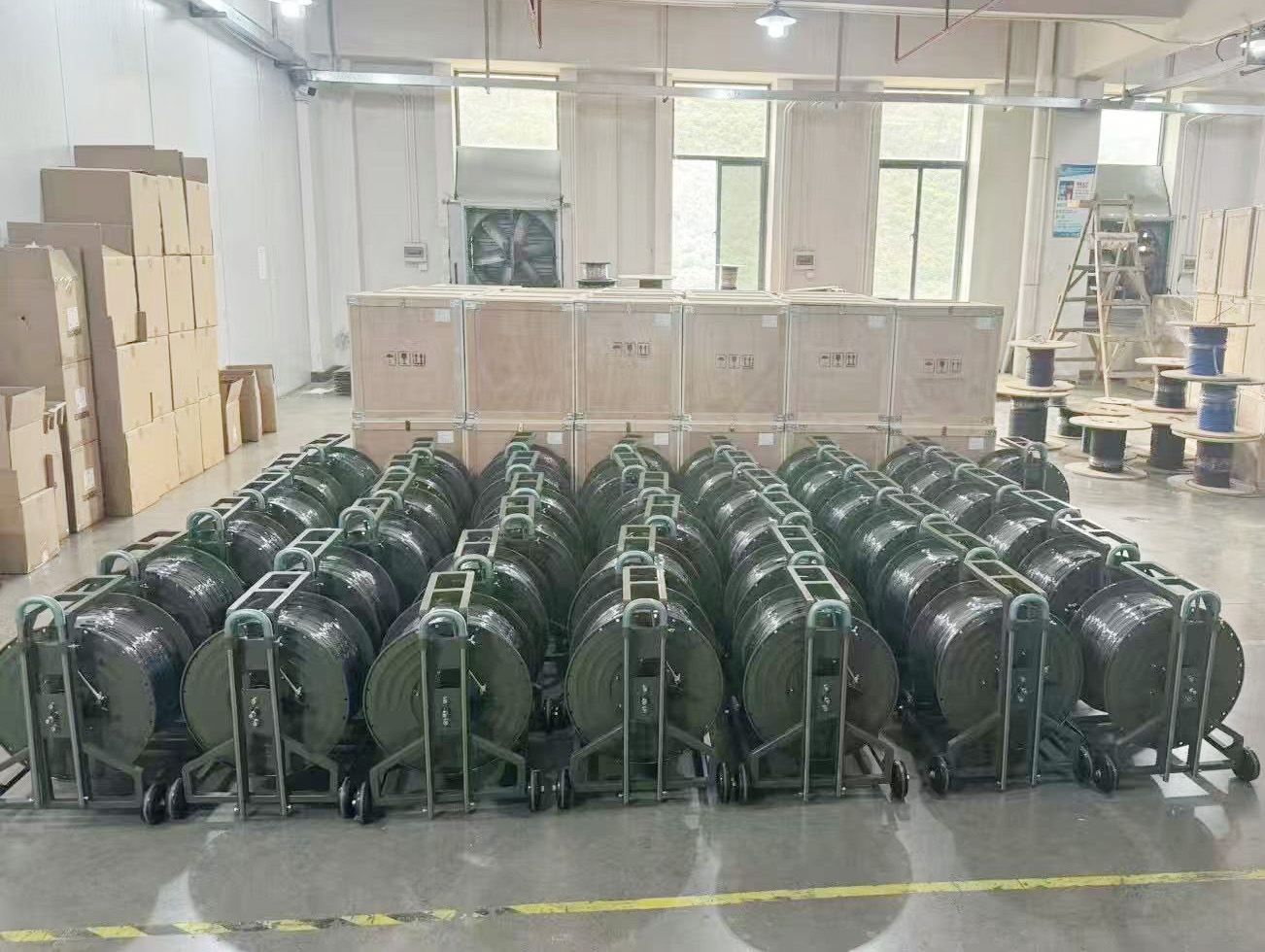
In telecommunications, Fiber to the Home (FTTH) and Fiber to the Antenna (FTTA) drive the deployment of active optical interfaces. FTTA systems use CPRI (Common Public Radio Interface) protocols to connect baseband units (BBUs) to remote radio heads (RRUs). This requires ruggedized, weather-resistant optical transceivers and tactical outdoor fiber assemblies that can withstand extreme environmental conditions.
Operating a global supply chain requires strict adherence to international regulatory standards. Our transceivers comply with several key certifications:
As 800G modules begin commercial production, the R&D team at Kocent Optec is looking forward to 1.6T speeds. This transition will require shift modifications, including PAM4 (Pulse Amplitude Modulation 4-Level) and coherent optical setups for long-distance transmissions. Coherent technology, once reserved for long-haul networks, is moving into metro-edge and intra-data-center links (ZR/ZR+) to support growing interconnect distances.
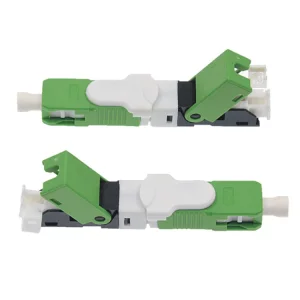
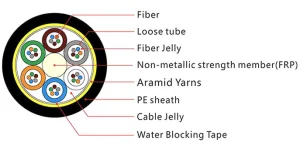
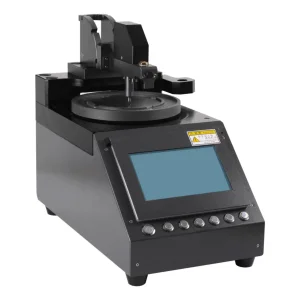
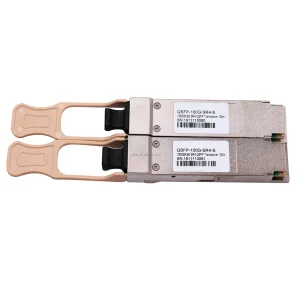
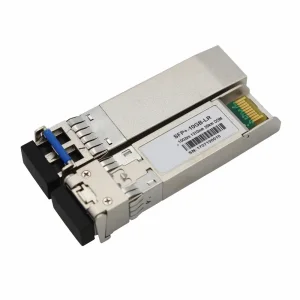
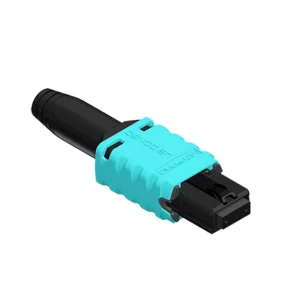
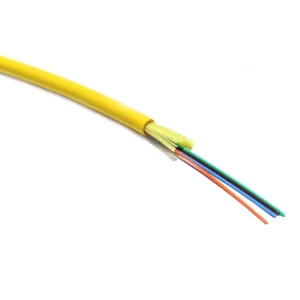
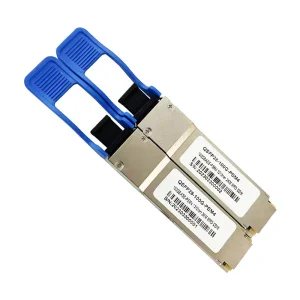
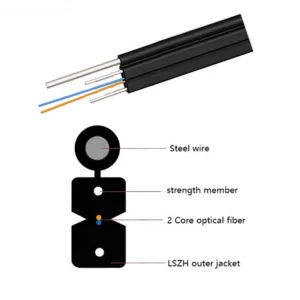
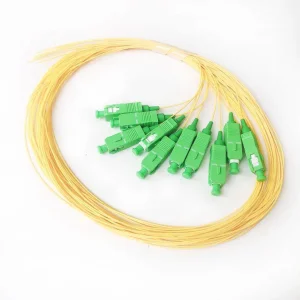
Choose from our specialized fiber optic transceivers, fanout patch cords, and mechanical components to complete your network architecture.
Technical answers to common questions about SFP modules, compatibility, and custom design options.
We program each module’s EEPROM with vendor-specific configuration files. By matching the appropriate manufacturer keys, checksums, and firmware protocols, our transceivers bypass proprietary software blocks and are recognized as native modules by host switches.
Digital Diagnostic Monitoring (DDM) and Digital Optical Monitoring (DOM) are often used interchangeably. This technology allows real-time monitoring of transceiver parameters, including optical output power, optical input power, temperature, laser bias current, and transceiver supply voltage. DDM helps network administrators detect anomalies before link failures occur.
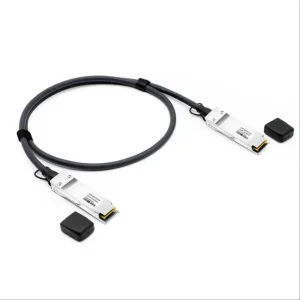
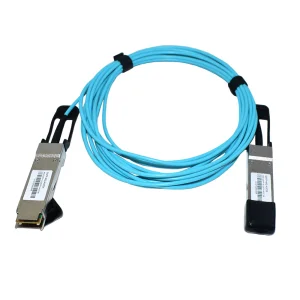
DAC cables are ideal for short-reach connections within a rack (typically up to 7m) due to their low power consumption and cost. AOCs extend this range (typically up to 100m) while remaining lightweight and flexible. For longer links, or when routing through structured cabling and patch panels, active transceivers paired with single-mode or multi-mode fiber patch cables are the standard choice.
We subject every production batch to rigorous testing protocols: optical spectrum verification, eye-diagram checks, Bit Error Rate (BER) analysis, extreme temperature cycling, and compatibility sweeps on host switches. This ensures that every module arrives field-ready.
MOQ values vary depending on the level of customization required, such as custom optical designs, unique PCB layouts, or custom mechanical tooling. Standard labeling, custom packaging, and minor firmware adjustments typically feature flexible MOQs. Contact our sales team to discuss details for your project.
 KOCENT OPTEC