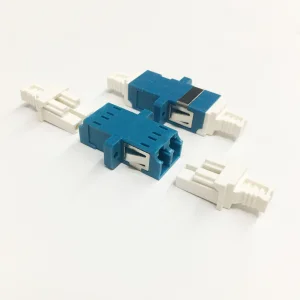
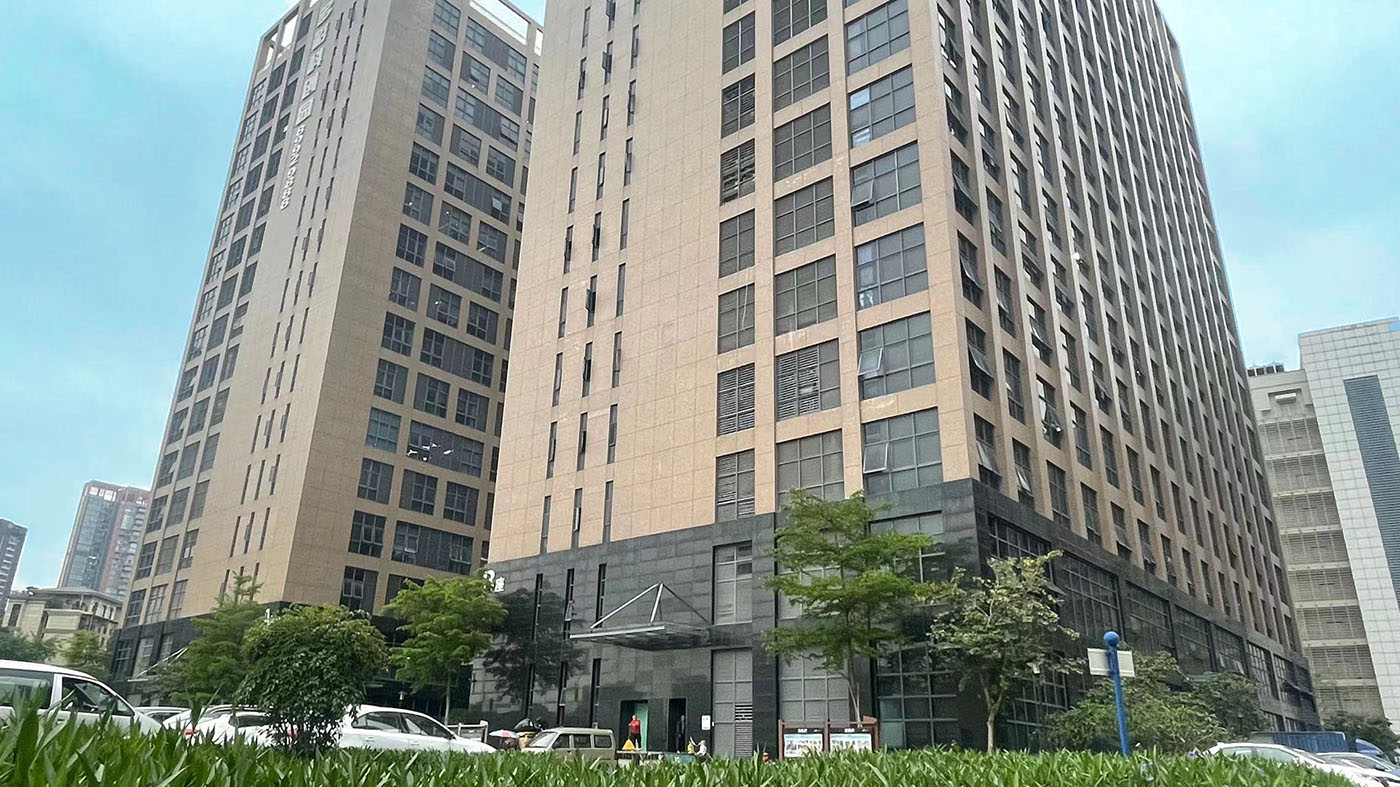
Established in 2012 in Hong Kong as a high-tech communication enterprise, Kocent Optec Limited has grown into one of China's premier manufacturers and turnkey solution providers of fiber optic termination products. Over the past decade, we have dedicated ourselves to the end-to-end research, engineering, and manufacturing of fiber optic communication infrastructure, ranging from passive components to active optical transceivers. Our hardware empowers global telecommunications networks, hyper-scale data centers, and high-security enterprise systems.
By leveraging our extensive engineering experience and state-of-the-art production capabilities, we deliver exceptional value to our customers. We do not view ourselves merely as an optical hardware supplier; rather, we act as a strategic engineering partner. Our key differentiators—including advanced materials sourcing, strict adherence to global engineering standards, and robust design capabilities—become our customers' competitive advantages. We emphasize deep collaborative partnerships that help global organizations scale their network infrastructures reliably while mitigating procurement risks.

With more than 13 years of practical field experience in manufacturing telecommunication components, our production workflows follow strict optical industry methodologies. Every product undergoes 100% testing and inspection before packaging. This uncompromising quality control ensures that our passive and active components withstand harsh environmental conditions, showing excellent mechanical durability, minimal insertion loss, and stable signal integrity over their entire operational lifetime.
In the global telecommunications arena, Chinese manufacturers—specifically those based in high-tech manufacturing hubs like Shenzhen, Wuhan, and Ningbo—provide unparalleled advantages in the production of Fiber Fast Connectors (Field Assembly Connectors). These strengths extend far beyond low labor costs, encompassing a deeply integrated industrial ecosystem, specialized component engineering, and massive economies of scale.
The optical performance of any fast connector depends on the concentricity and geometry of its Zirconia ceramic ferrule. China's mature domestic raw material supply chain guarantees a steady supply of high-grade zirconium dioxide. Advanced domestic factories execute automated micro-machining to maintain sub-micron tolerances, keeping fiber core mismatch to a minimum.
From high-precision plastic injection molding using high-performance PEI (Polyetherimide) and PBT (Polybutylene Terephthalate) raw materials, to automated optical fiber cleaving and polishing systems, Chinese factories control every step of the production process. This tight integration translates to rapid turnaround times for custom tooling and scale modifications.
Leading manufacturers in China build their quality management systems around Telcordia GR-326-CORE and IEC 61754 standards. Connectors are subjected to strict environmental testing chambers, including high-temperature aging, humidity cycling, and vibration assessments, to verify physical integrity and optical stability under extreme field conditions.
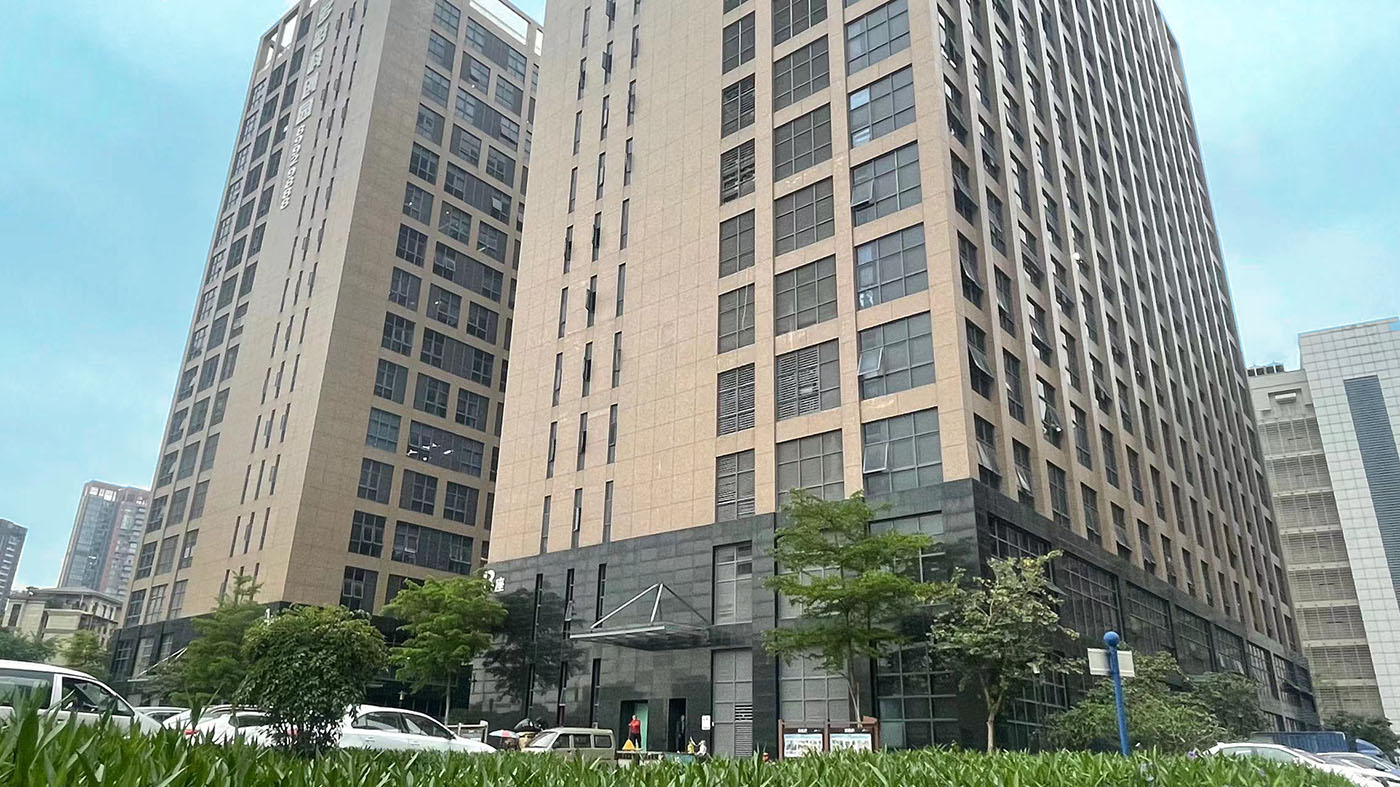
Furthermore, China's logistical infrastructure and proximity to shipping channels in Hong Kong and Shenzhen enable efficient global distribution. Whether you require standard SC/APC fast connectors for drop cables or custom LC duplex fast-assembly kits, Kocent Optec coordinates production and logistics to minimize transit times and stabilize the supply chain for our global client base.
The global fiber optic connectivity market is undergoing a major shift, driven by the rollout of 5G, the expansion of hyper-scale data centers, and the implementation of FTTR (Fiber to the Room) architectures. These trends are directly influencing the design and deployment of fast connectors in the field.
With networks moving to 400G, 800G, and even 1.6T transmission rates, physical-layer optical loss budgets have become extremely tight. Field-assembly connectors are evolving to deliver near-splice quality, with standard insertion losses dropping to ≤ 0.2dB and return losses for APC configurations exceeding ≥ 60dB.
As space inside street cabinets, optical distribution frames (ODFs), and server racks becomes increasingly constrained, the market demands smaller footprints. Standard SC connectors are frequently replaced by LC and CS type fast-assembly systems, allowing field technicians to double the connection density in the same physical space.
Reducing installation time and human error remains a top priority. Modern fast connectors feature pre-polished fibers with index-matching gel pre-installed in the ferrule. The latest tool-free, click-and-clamp designs enable field technicians to complete a termination in less than 30 seconds, without needing fusion splicers or specialized termination kits.
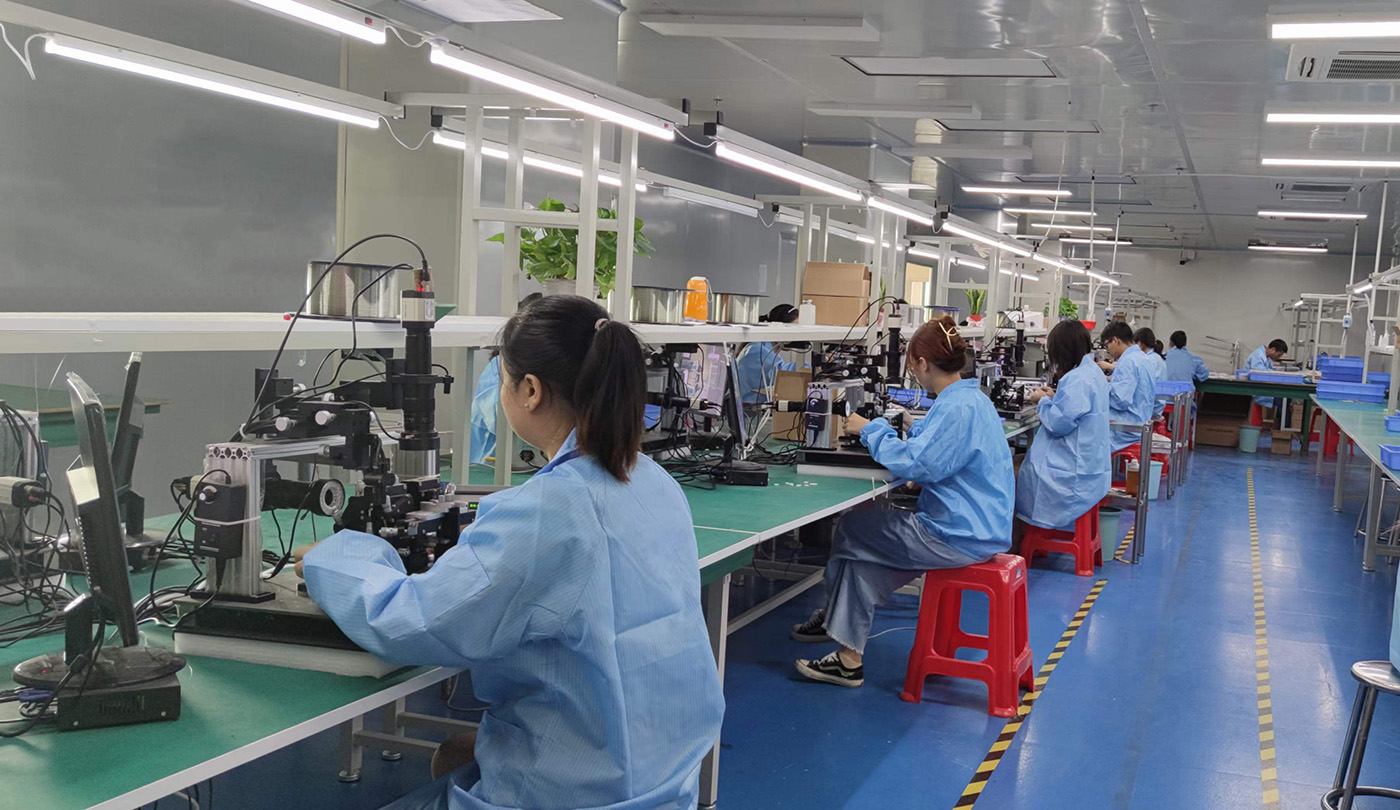
Kocent Optec operates specialized, cleanroom-standard manufacturing facilities engineered to produce passive and active optical components at scale. By combining automated production lines with strict quality inspections, we ensure our global customers receive consistent, high-performance hardware.
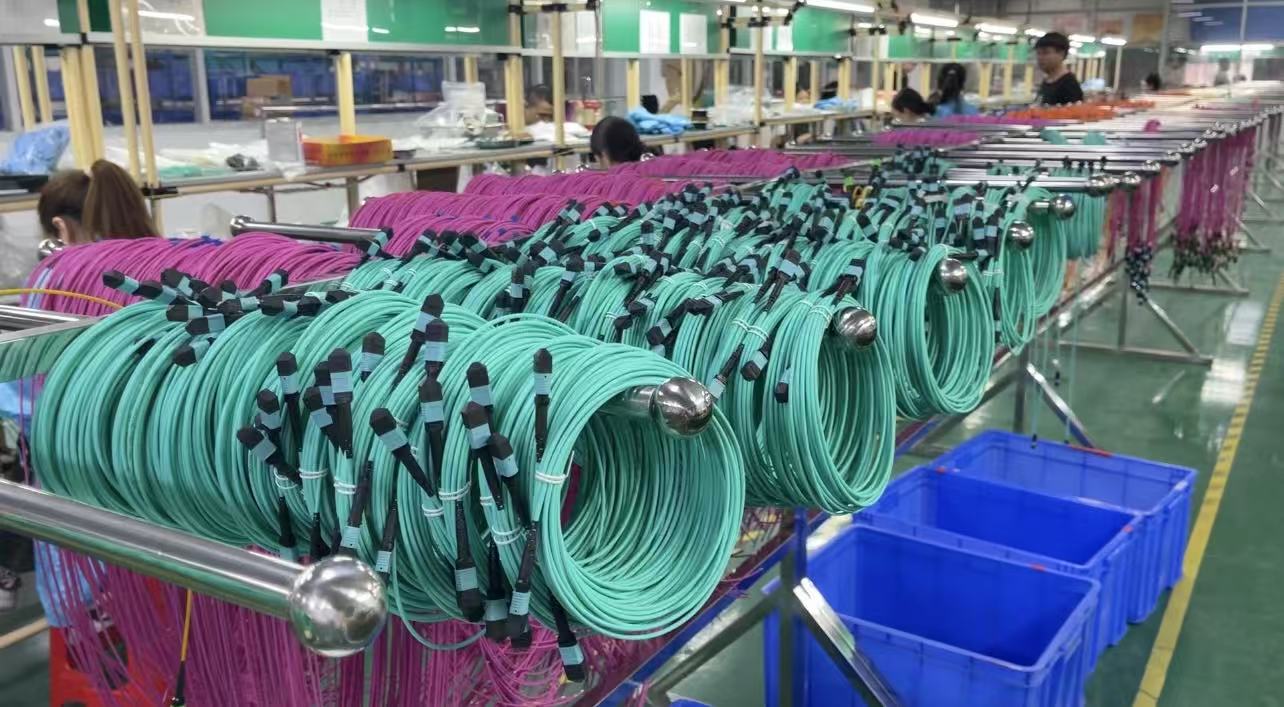
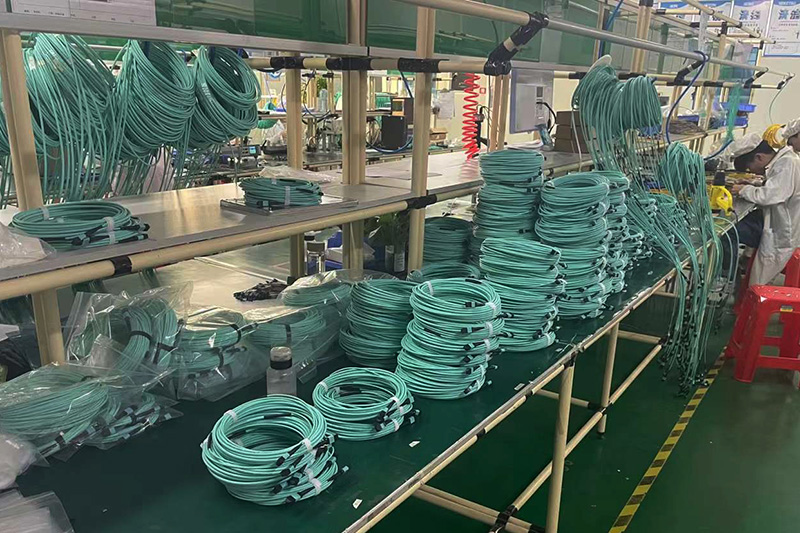
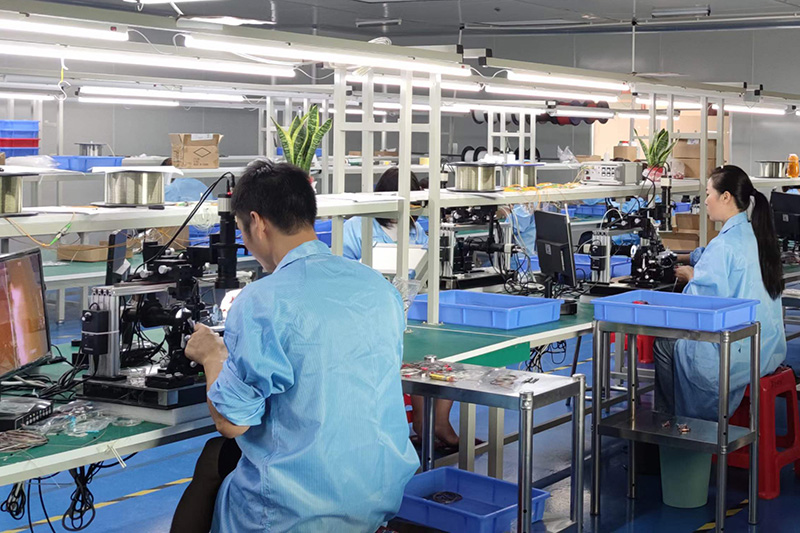
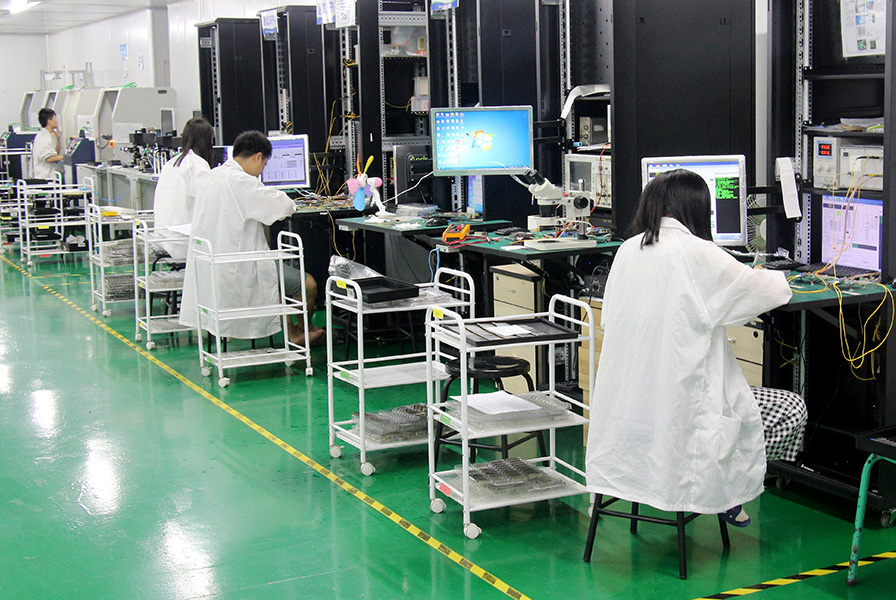
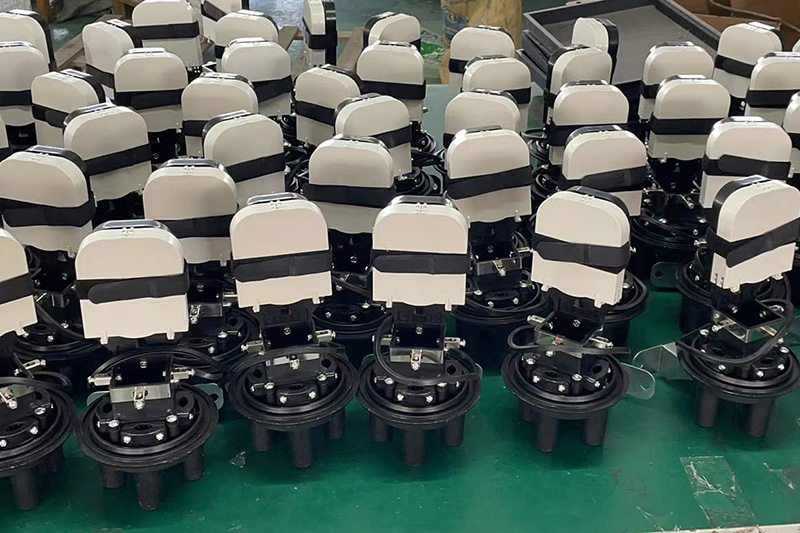
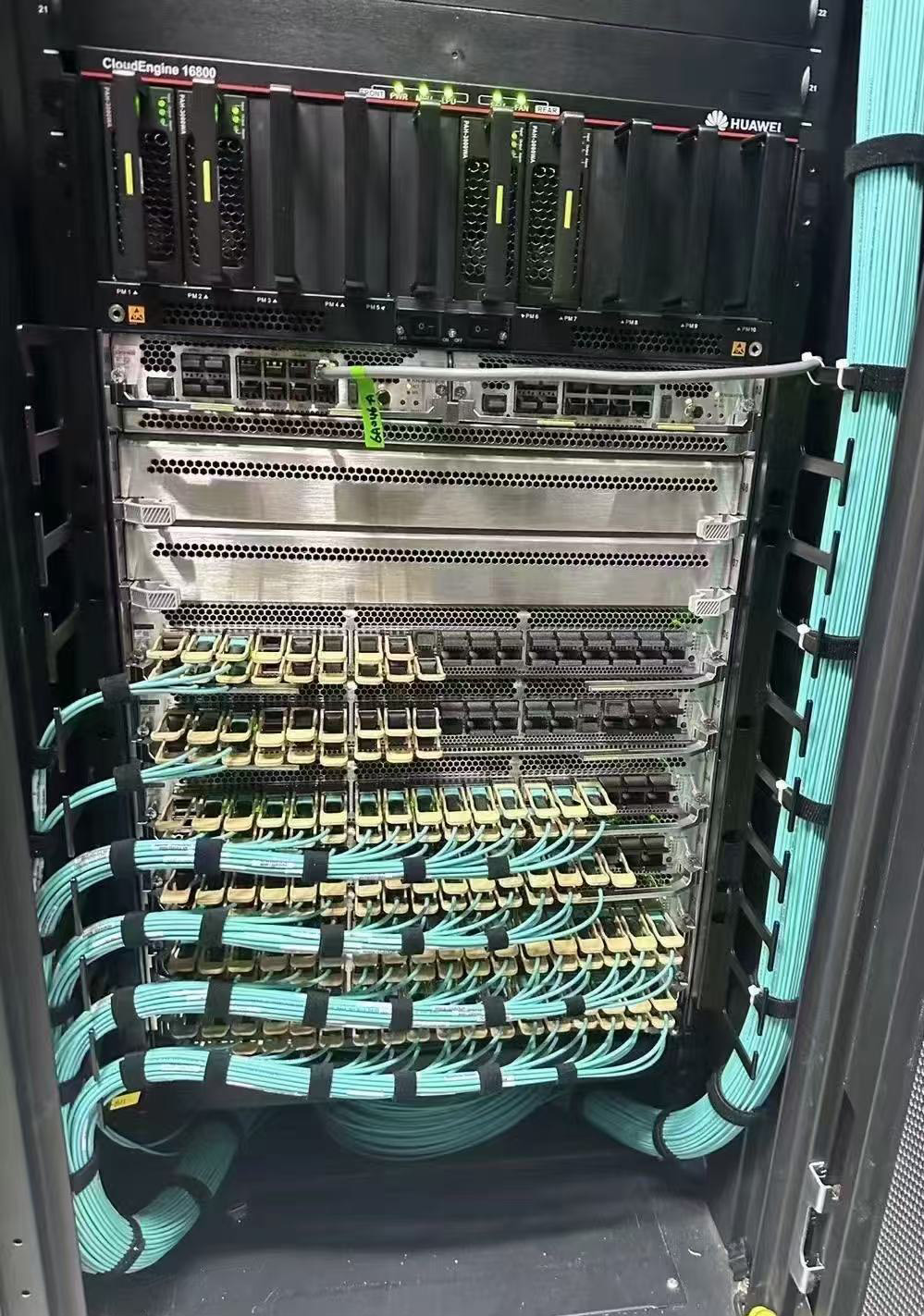
Different network topographies demand specialized physical connection profiles. At KCO Fiber, we engineer custom fiber fast connectors and high-density connectivity systems tailored to specific application environments.
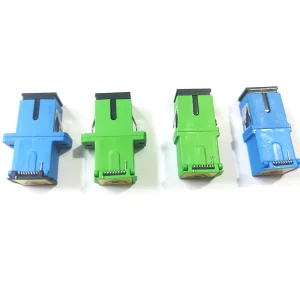
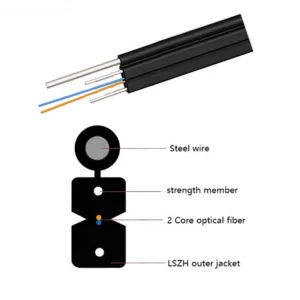
In massive Fiber-to-the-Home rollouts, speed of deployment and cost efficiency are critical. Our SC/APC and SC/UPC pre-polished fast connectors are optimized for flat 2x3mm drop cables and 0.9mm tight-buffered indoor fibers. They allow operators to run connections from multi-port service terminals (MSTs) to indoor optical network terminals (ONTs) quickly, without needing fusion splicers.

Outdoor environments expose optical infrastructure to extreme temperatures, UV radiation, and rain. Our hardened tactical fiber connectors and waterproof patch cables are engineered for FTTA deployments. They connect baseband units (BBUs) to remote radio heads (RRHs) reliably, featuring high pull-out strength and IP67 weather protection.
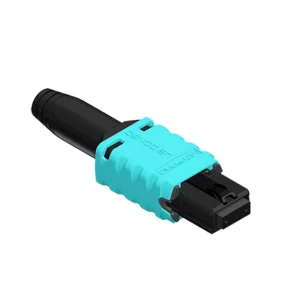
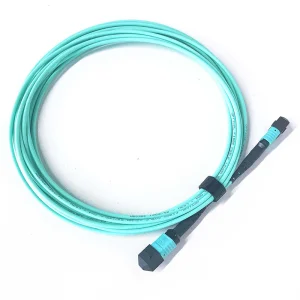
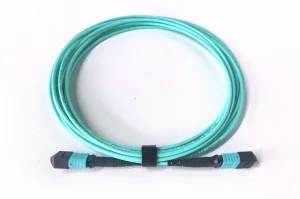
High-density data centers require rapid deployment, clean pathways, and low-loss budgets. KCO Fiber provides integrated MTP/MPO patch cords, cassette modules, and high-density panels. By utilizing pre-terminated trunks and high-performance transceivers, operators can scale from 10G to 400G configurations quickly and efficiently.
KCO Fiber provides comprehensive OEM and ODM services, delivering customized optical solutions tailored to our customers' specifications. We offer customization across every stage of the design and production cycle:
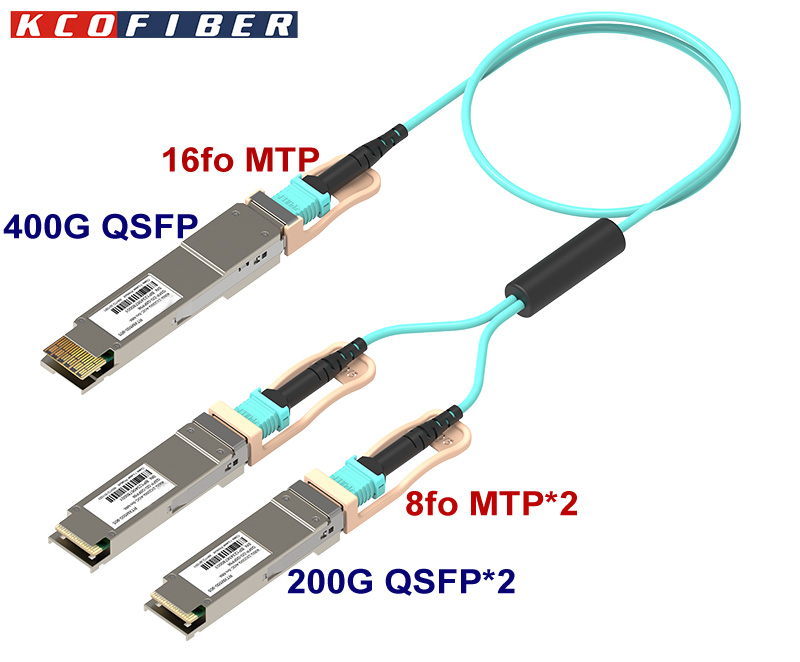
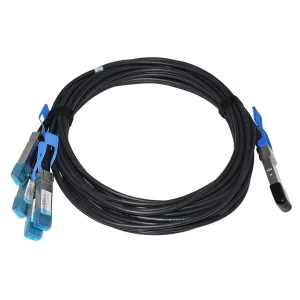
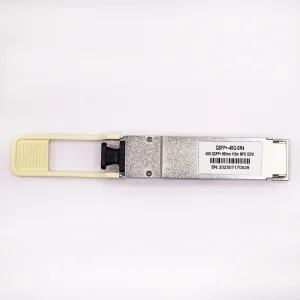
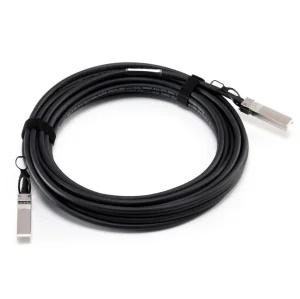
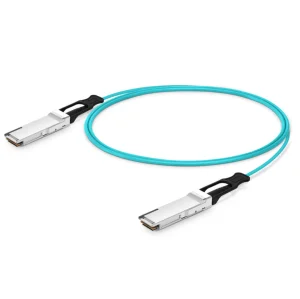
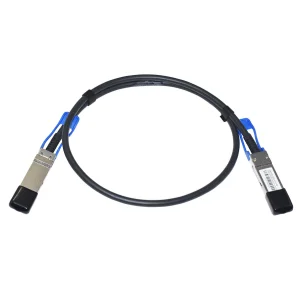
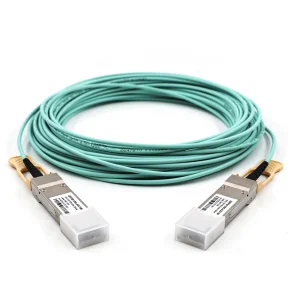
For SFP, SFP+, QSFP28, QSFP56, QSFP-DD, AOC, and DAC architectures, KCO Fiber offers comprehensive optical and mechanical design, high-frequency PCB layouts, custom firmware, and compatibility testing for major network switches (including Cisco, Juniper, HP, Huawei, ZTE, H3C, TP-Link, D-Link, Dell, Netgear, and Ruijie).
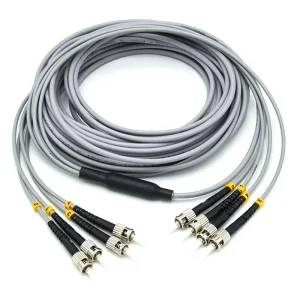
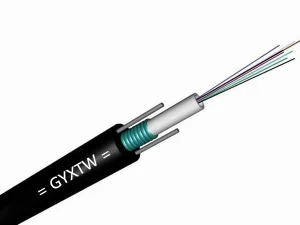
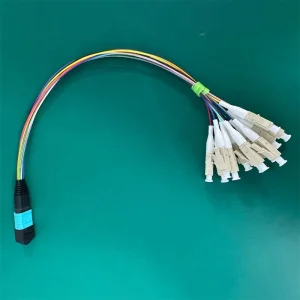
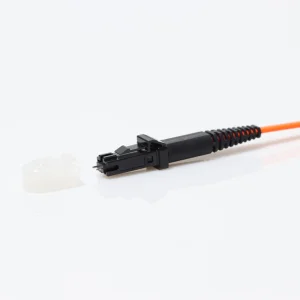
We customize tactical CPRI cables, MTP/MPO multi-fiber trunks, and patch cords. Customers can specify the fiber core type (OS2, OM1, OM2, OM3, OM4, OM5), outer jacket classification (LSZH, PVC, Plenum, Armored), custom lengths, fan-out breakout configurations, connector options (SC, LC, FC, ST, MTP, MPO), and custom cable branding.
Based on customer-supplied engineering drawings or design concepts, we provide full ODM services for fiber terminal boxes, outdoor distribution boxes, splice closures, high-density optical distribution frames (ODFs), and rack-mount optical splitter cabinets.
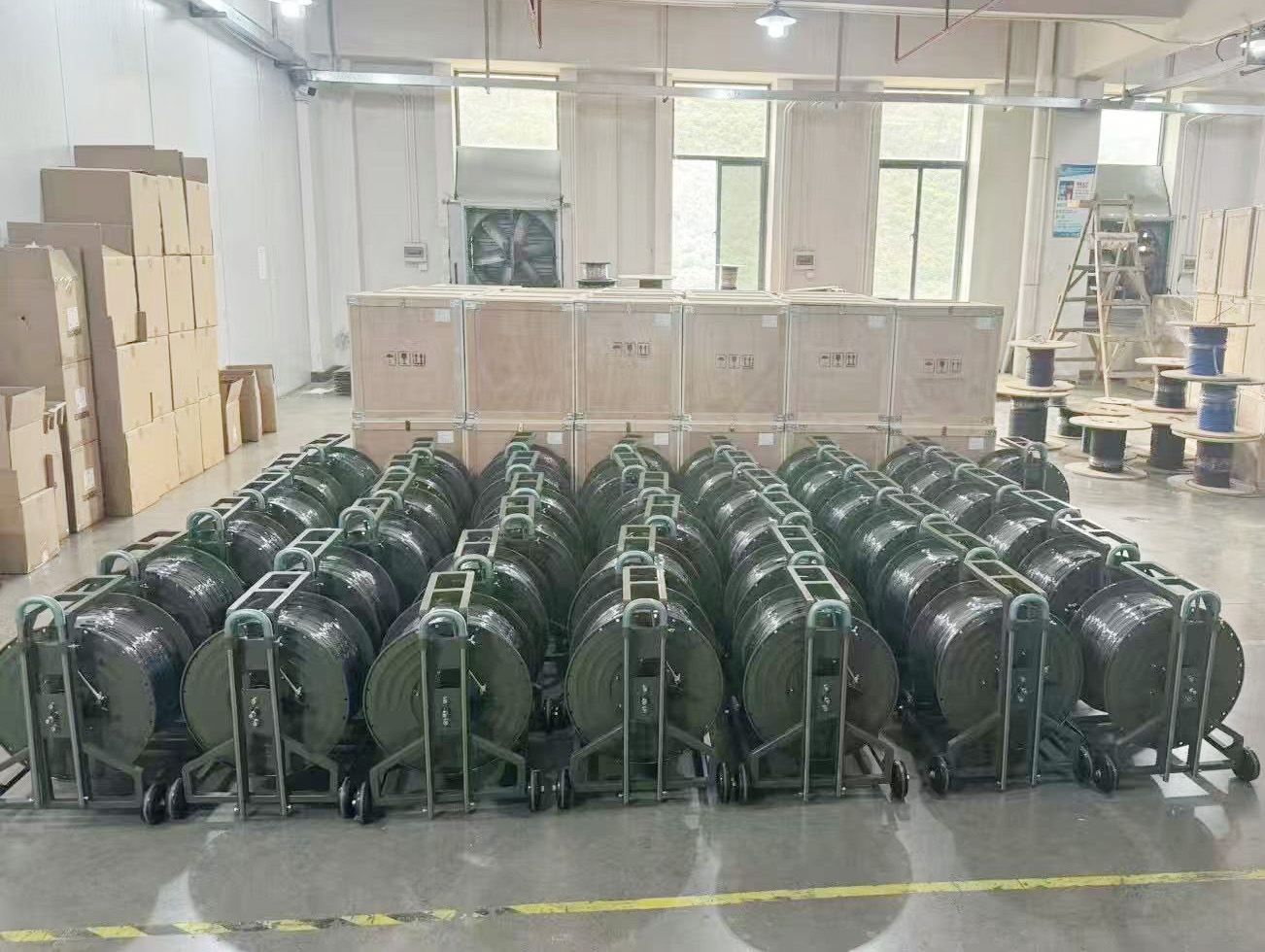
Our custom contract manufacturing capabilities help global companies scale production while maintaining tight control over component costs. Because customization requirements vary by product complexity and materials, minimum order quantity (MOQ) thresholds apply to OEM/ODM requests. Please contact our sales and engineering teams to discuss project parameters and feasibility.
For procurement officers and telecom supply chain managers, qualifying a fiber optic hardware vendor goes beyond base unit pricing. High-performance networks require component consistency, supply chain traceability, and regulatory compliance.
All fiber optic components, including matching gels and polymer housings, must comply with international environmental laws. Kocent Optec ensures its product range is fully RoHS and REACH certified, preventing hazardous substances from entering the supply chain and complying with environmental regulations in regions like Europe and North America.
Every batch of our MTP/MPO trunks, patch jumpers, and fast connectors is tested for performance parameters. We supply traceable measurement data—including insertion loss, return loss, and 3D interferometry geometry profiles (ROC, apex offset, fiber height)—verifying that every ferrule complies with IEC specifications.
Managing logistics risks requires a supplier capable of handling production surges. KCO Fiber coordinates production across multiple manufacturing sites and integrates with major international freight forwarding services, ensuring stable lead times and transparent shipping tracking for global infrastructure projects.
Review technical explanations regarding structural design, installation, mechanical splicing mechanisms, and factory customization options for fiber optic fast connectors.
 KOCENT OPTEC