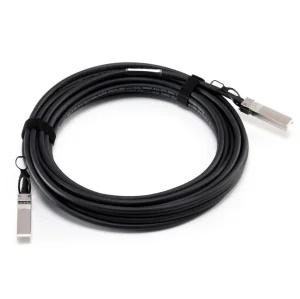
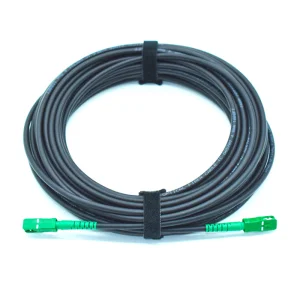
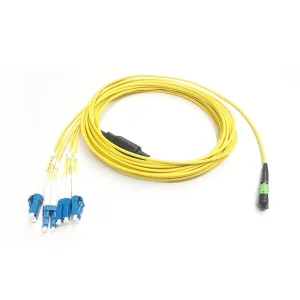
Premium high-speed cabling solutions configured for Top-of-Rack (ToR) deployment in Venezuela's expanding telecom distribution facilities and enterprise network cores.
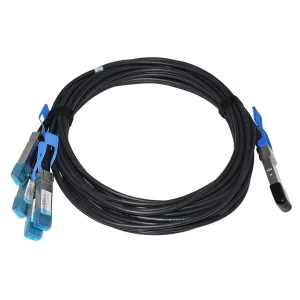
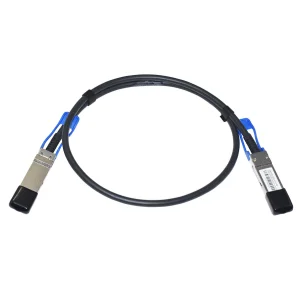
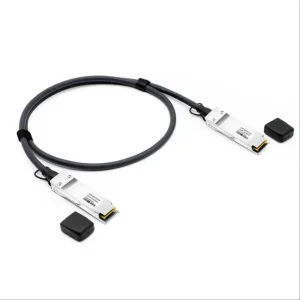
As Venezuela undergoes structural optimizations in its telecommunications and digital infrastructure sectors, major network hubs in Caracas, Maracaibo, and Valencia are seeing a rapid shift towards high-bandwidth fiber architectures. The massive demand for high-speed internet provisioning, stimulated by private regional Internet Service Providers (ISPs) like Netuno, Inter, Airtek, and state-backed telecommunication entities like CANTV, has created a critical requirement for local network centers to update their core architectures.
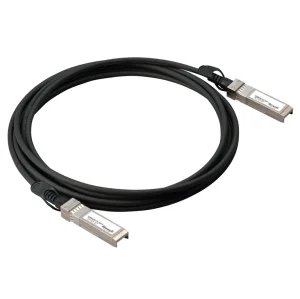
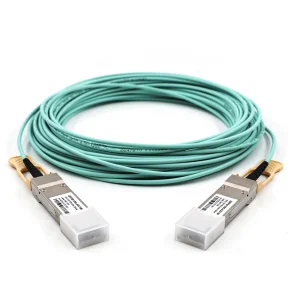
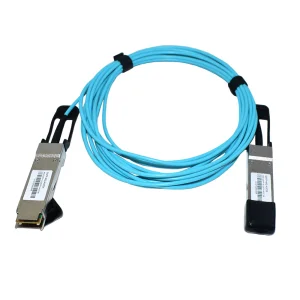
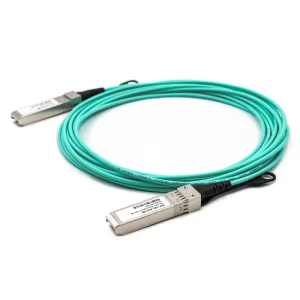
Within Venezuelan data exchange points (IXPs) and metropolitan data transmission facilities, optimization efforts are focused on minimizing signal degradation, routing complexity, and overall cooling costs. This makes Direct Attach Copper (DAC) and Active Optical Cables (AOC) indispensable for switch-to-switch and server-to-switch links. High-performance DACs and AOCs provide the high density and structural flexibility required to replace traditional, power-intensive optical transceivers for short-distance interconnections, supporting Venezuela's ongoing transitions to 10G, 40G, 100G, and eventual 400G backbones.
“To support the high-density requirements of metropolitan fiber nodes in regions with challenging climate conditions like Zulia and Caracas, selecting high-performance MSA-compatible DACs and AOCs is critical to maintaining thermal efficiency and avoiding data dropouts.”
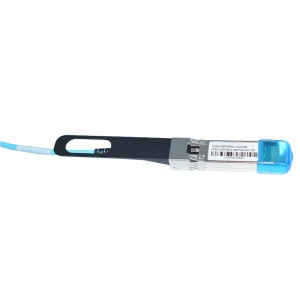
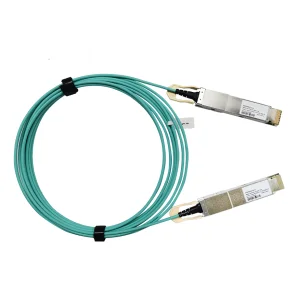
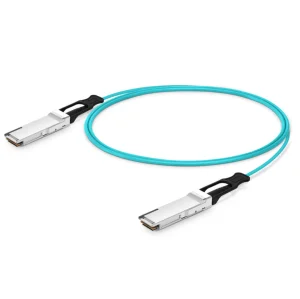
On a global scale, the rapid evolution of hyperscale cloud facilities, generative AI clusters, and Edge Data Centers has accelerated the adoption of next-generation physical interconnects. Direct Attach Copper (DAC) cables remain the industry standard for connections inside the rack (up to 5 meters) due to their near-zero latency and zero power consumption. However, for distances exceeding 5 meters or when clean cable management in high-density racks is critical, Active Optical Cables (AOC) offer the ideal alternative, utilizing multimode fiber optic technology to bridge gaps of up to 100 meters.
A comprehensive analysis detailing the architectural differences between DAC and AOC interconnect systems for high-speed network topologies.
| Feature / Parameter | Direct Attach Copper (DAC) | Active Optical Cable (AOC) | Traditional Transceivers + Patch Cable |
|---|---|---|---|
| Transmission Distance | Up to 5m (Passive), 10m (Active) | Up to 100m (Multimode OM3/OM4) | Up to 10km+ (depending on Singlemode/Multimode optics) |
| Power Consumption | Near 0 Watts (Passive DACs) | Approx. 1.0W - 2.5W per end | Up to 3.5W+ per module (especially 100G/400G transceivers) |
| Latency | Ultra-Low (no optical-electrical conversion) | Minimal (very low latency conversion) | Variable (subject to transceiver internal DSPs) |
| Electromagnetic Interference (EMI) | Susceptible to minor EMI (shielding necessary) | Immune (uses optical fiber medium) | Immune across the fiber path |
| Cost Profile (Venezuela Market) | Highly cost-efficient, entry-level CapEx | Moderate CapEx, high-value over distance | High CapEx (requires separate modules and patch cords) |
Kocent Optec Limited, established in 2012 in Hong Kong as a high-tech communications enterprise, is one of China’s leading fiber optic termination product manufacturers and solution providers. We are dedicated to developing and manufacturing high-density fiber optic communication systems spanning passive and active components tailored for modern telecommunication networks, enterprise structures, and state-of-the-art datacenters.

By leveraging our extensive manufacturing experience and high production capacity, we optimize deployment workflows for our international customers. Our strict quality control systems expand our clients' core competencies, helping them outperform their competitors. We place immense value on collaborative customer relationships, positioning ourselves as a dedicated partner in high-capacity fiber optic connection solutions.

With more than 13 years of technical experience in fabricating telecommunication and optical transmission gear, we strictly adhere to rigorous global standards. Utilizing mature scientific testing protocols, we guarantee 100% of our products undergo comprehensive testing and inspection processes before shipping, assuring field reliability from day one.
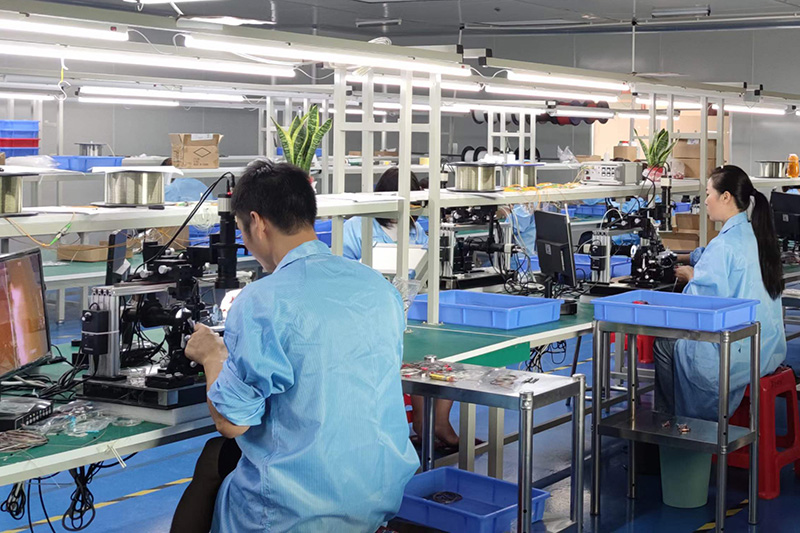
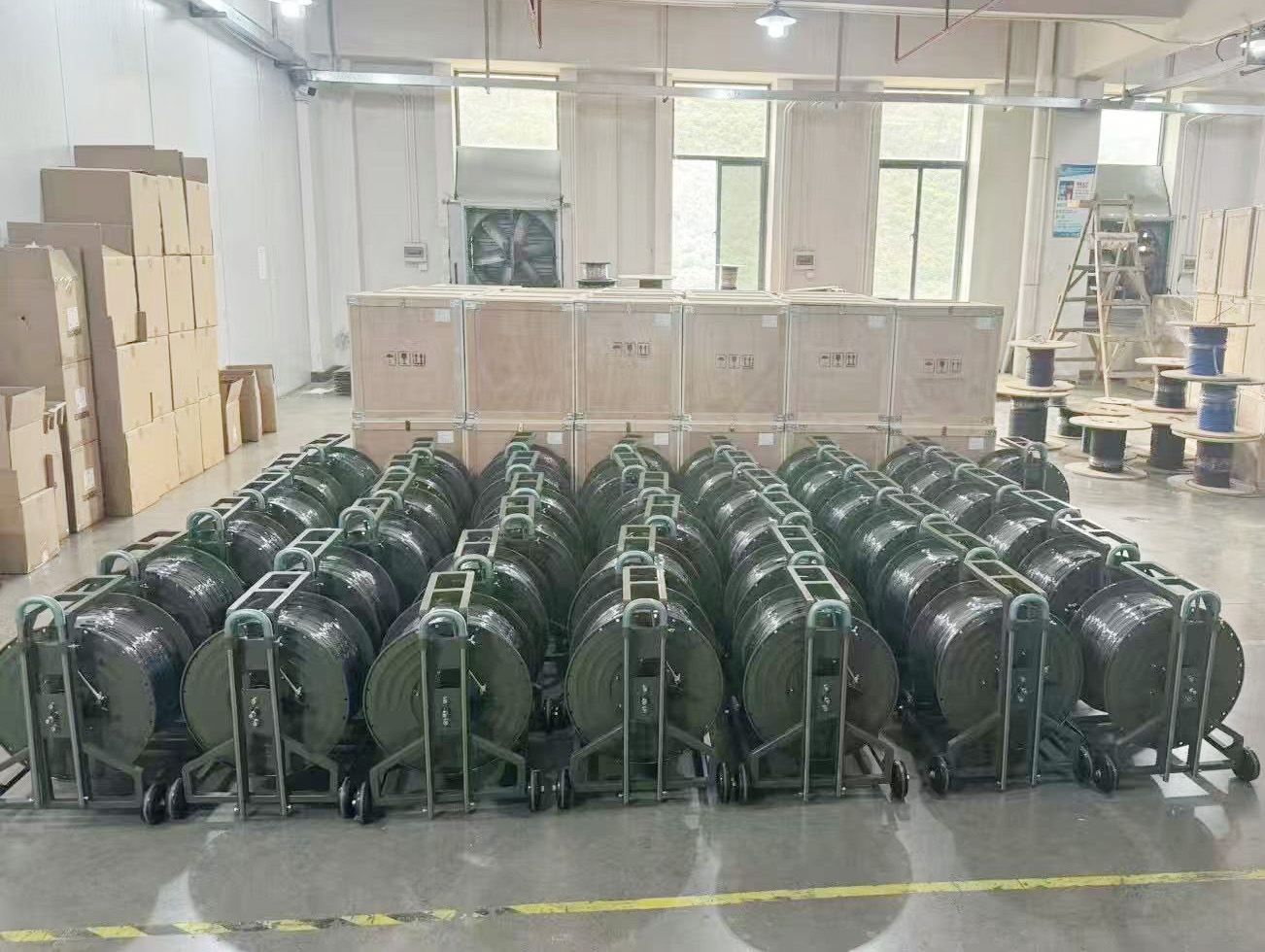
Our modern manufacturing facility accommodates dedicated assembly setups designed to produce high-performance networking products. Our production lines feature high-precision optical alignment equipment, automated termination lines, and advanced simulation systems that test compatibility against all major enterprise switch brands.
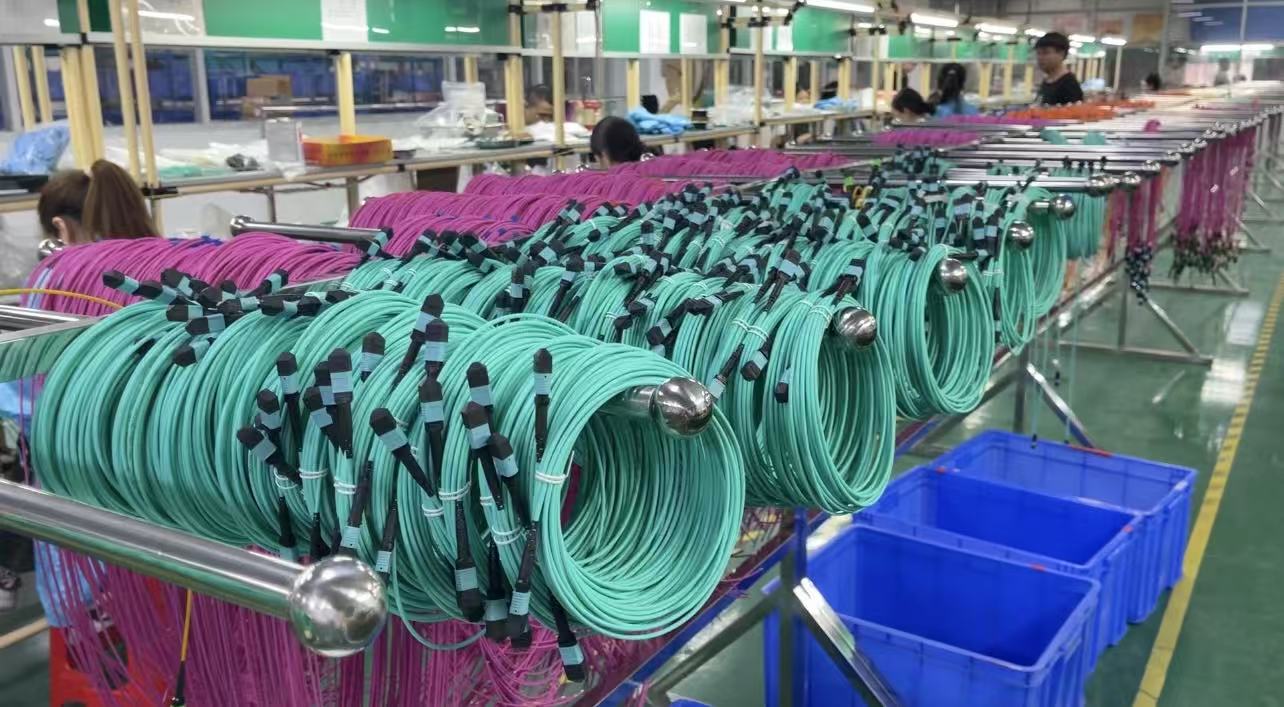
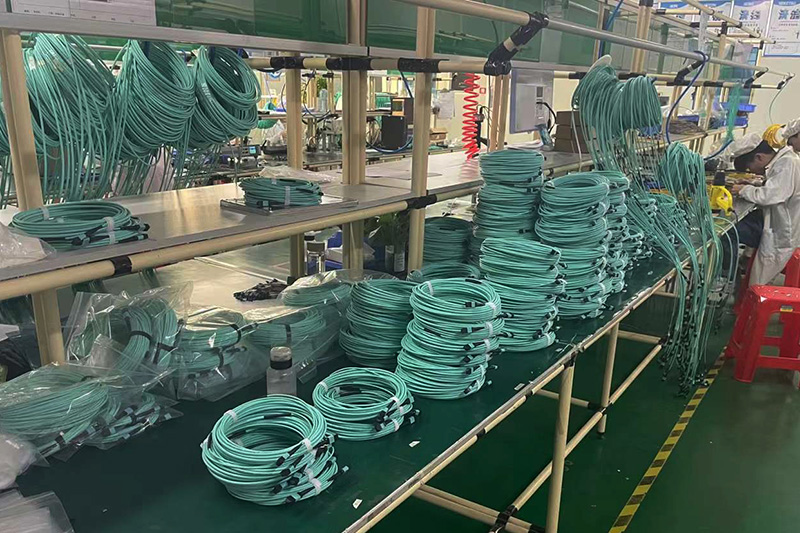
MTP MPO Production Line
PLC Splitter Production Line
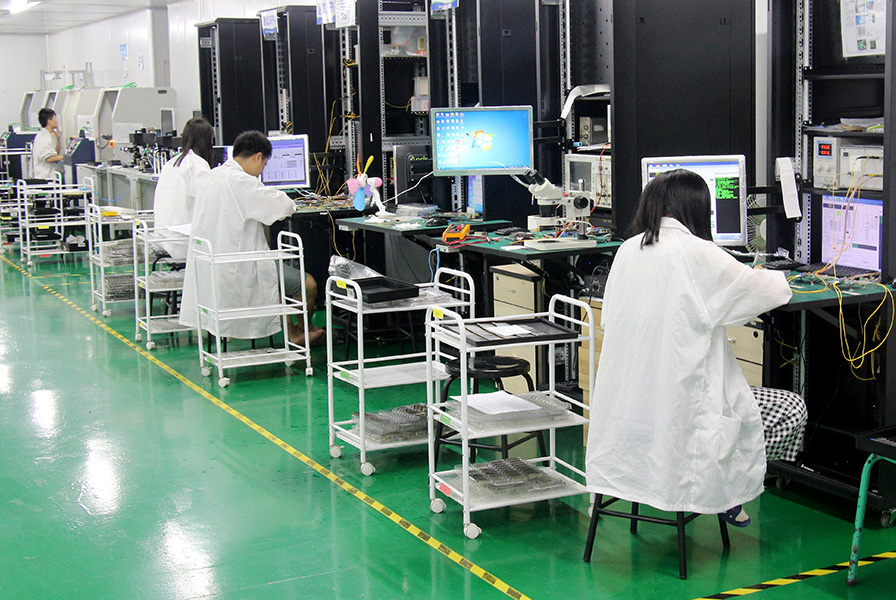
SFP QSFP Production Line
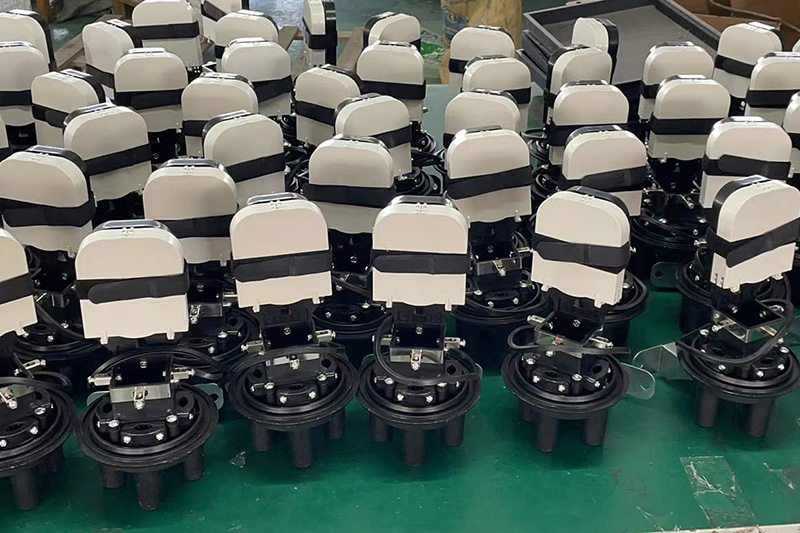
FDB & FOSC Production Machine
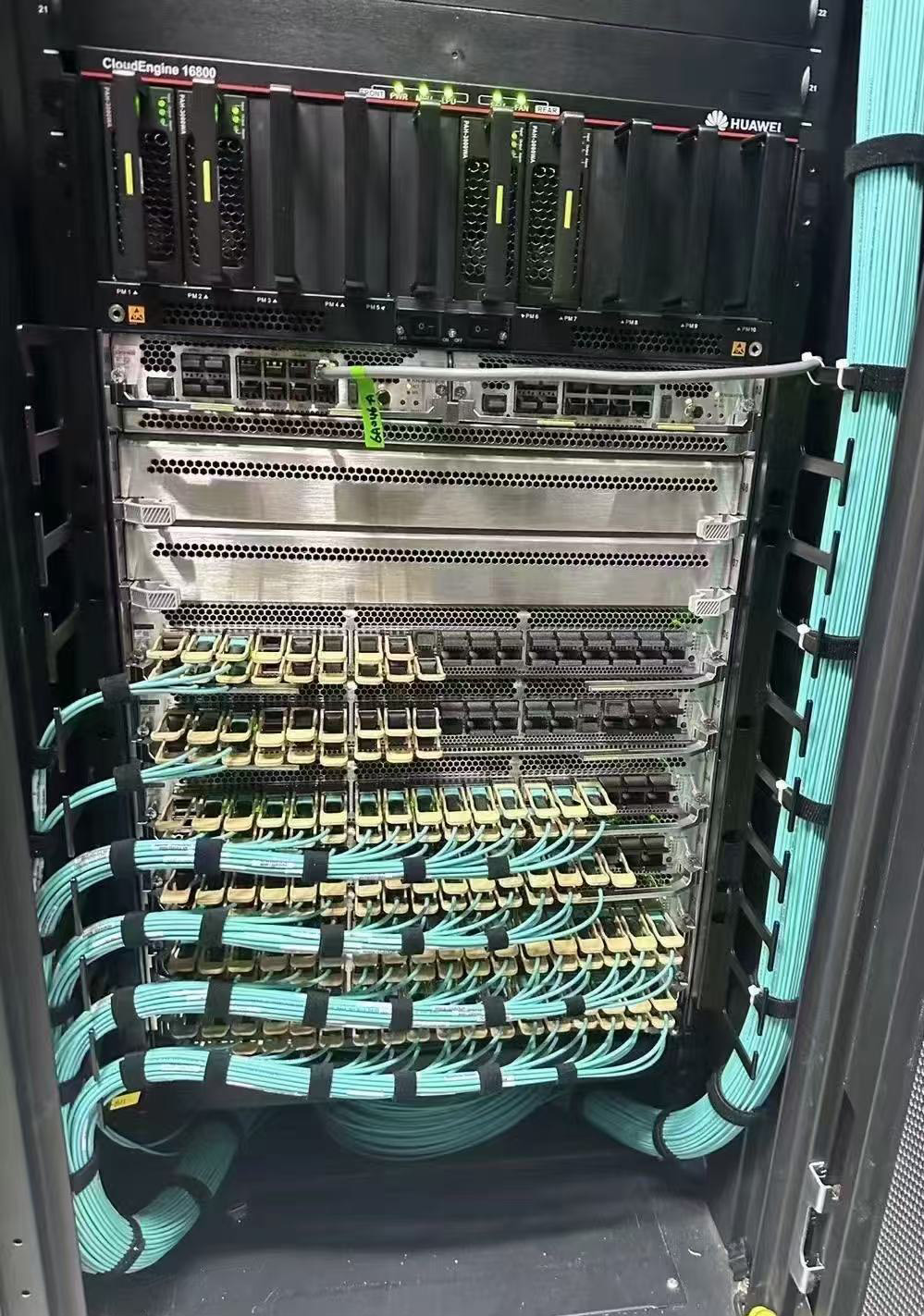
Testing & Inspection Laboratory
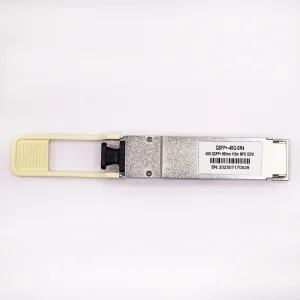
KCO Fiber provides customizable, compatible SFP, SFP+, QSFP+, QSFP28, AOC, and DAC assemblies designed to interface seamlessly with major routing hardware brands, including Cisco, Huawei, ZTE, H3C, Juniper, HP, TP-Link, D-Link, Dell, Netgear, Ruijie, and more. For high-speed interconnect deployments, we deliver fully customized engineering solutions tailored to distinct architectural profiles, supporting customized optical designs, specialized PCB layouts, software EEPROM coding, customized labeling, and specific cable lengths.
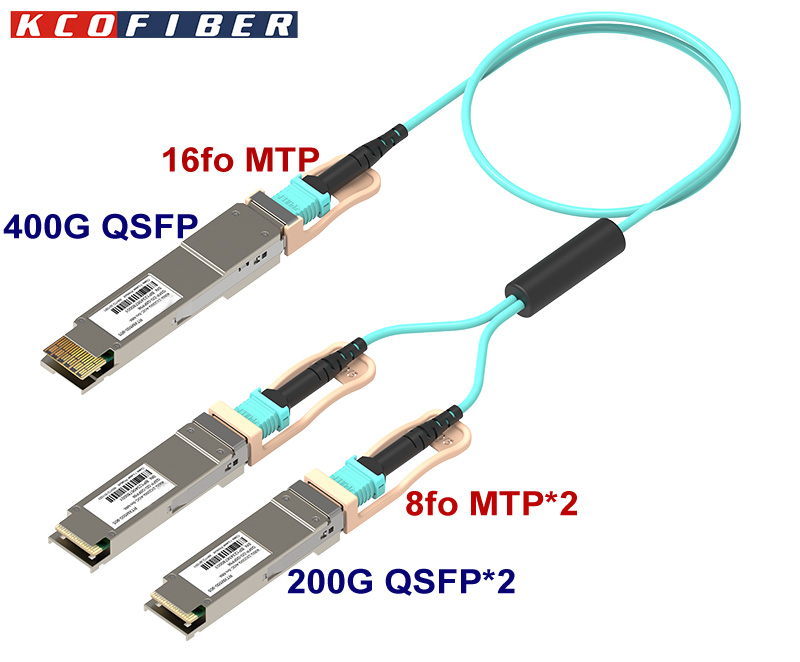

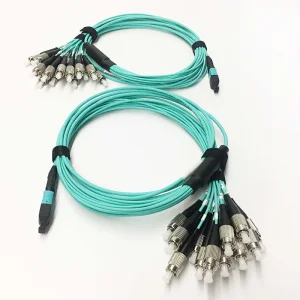
MTP/MPO fiber assemblies designed to maximize rack space in high-density core routing rooms.

Rigorous validation of DAC copper conductors and optical fibers to ensure minimum insertion loss.
Our OEM partnerships empower networking teams to utilize KCO's robust manufacturing processes while saving on R&D costs. From outdoor tactical breakout cables to high-density active optical components, each solution undergoes full performance and compatibility testing before delivery.
Implementing optimized cabling infrastructures is critical for local network designs across several key application scenarios in Venezuela:
The telecommunications industry is moving quickly towards 400Gb/s and 800Gb/s speeds. With the transition to PAM4 (Pulse Amplitude Modulation 4-level) encoding schemes, traditional optical transceivers require significant power to manage thermal dissipation. KCO's developmental roadmap focuses on high-speed QSFP-DD AOC modules and low-latency Linear Drive (LPO) designs, providing reliable, high-speed connectivity solutions for future upgrades.
Expert answers addressing compatibility, environment-specific deployments, and hardware configurations for Venezuelan network installations.
Premium 10G to 400G AOCs, passive copper twinax cables, and customized optical patches designed for data routing systems.
 KOCENT OPTEC