Explore our highly integrated portfolio, engineering high-density optical routing, active transceivers, and copper direct-attach assemblies.
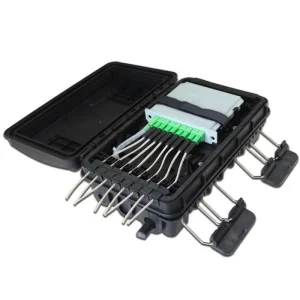
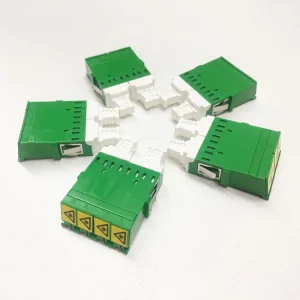
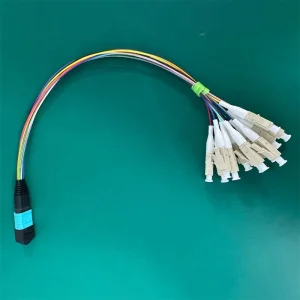
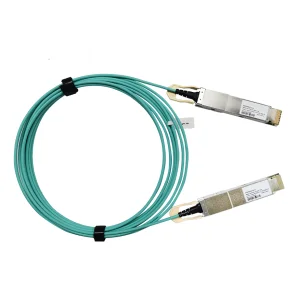
Established in 2012 in Hong Kong as a high-technology communication enterprise, Kocent Optec Limited has emerged as one of China's premier fiber optic termination product manufacturers and system suppliers. We design, manufacture, and test a wide spectrum of physical layer network assets, facilitating robust data traffic for telecommunication networks, enterprise structures, and hyperscale cloud datacenters globally.
By leveraging our deep production engineering background and substantial processing capacity, we enhance our clients' competitive capability. We do not view ourselves merely as an OEM vendor; we operate as a specialized design partner in high-frequency signal integrity and optical cabling topologies.
Telecommunications & datacenter manufacturing expertise.
Every assembly inspected via optical & electrical testing.

A comprehensive comparison for systems engineers designing modern high-throughput interconnect matrices.
DAC utilizes twinaxial copper cabling connected directly to transceiver shells. Since it operates purely via electrical conduction without optical conversion components, it provides latency profiles near zero (< 0.1 ns) and power dissipation below 0.1W per link. Recommended for Top-of-Rack (ToR) and adjacent rack routing within 7 meters.
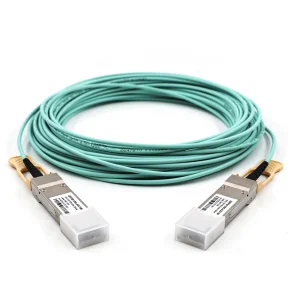
AOC incorporates optical transceivers on each end, permanently bonded to multimode optical fiber. It translates incoming electrical signals into light pulses within the transceiver. This structure supports longer link reaches (up to 100 meters) and offers immunity to electromagnetic interference (EMI) at standard high speeds.
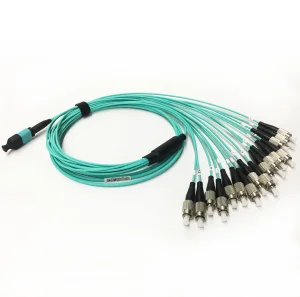
Designed for multi-tier switch interfaces (spine-leaf) and long-distance inter-building distribution. Using discrete optical transceivers connected via MTP/MPO or LC trunks, it scales from 10G to 400G+ rates, supporting dynamic physical patching setups across extended distances.
| Performance Metric | Direct Attach Copper (DAC) | Active Optical Cable (AOC) | Structured Fiber (MTP/LC + Modules) |
|---|---|---|---|
| Maximum Reach | ≤ 7 Meters (Passive), ≤ 15 Meters (Active) | Up to 100 Meters | Up to 10km (Single Mode) / 400m (OM4 Multimode) |
| Latency Contribution | Minimal (≈ 0.1 ns) | Moderate (≈ 220 ns due to optical engines) | Medium (optical engines & path delay) |
| Power Consumption | Near-zero (< 0.1W to 0.5W) | 1W to 2.5W per end | 1.5W to 5W per transceiver |
| EMI Susceptibility | Very Low (shielded twinax) | Zero (dielectric optical core) | Zero (dielectric optical core) |
| Cost Index | Economic (Ideal for high-density rack clustering) | Moderate | Higher (transceivers + modular cabling infrastructure) |
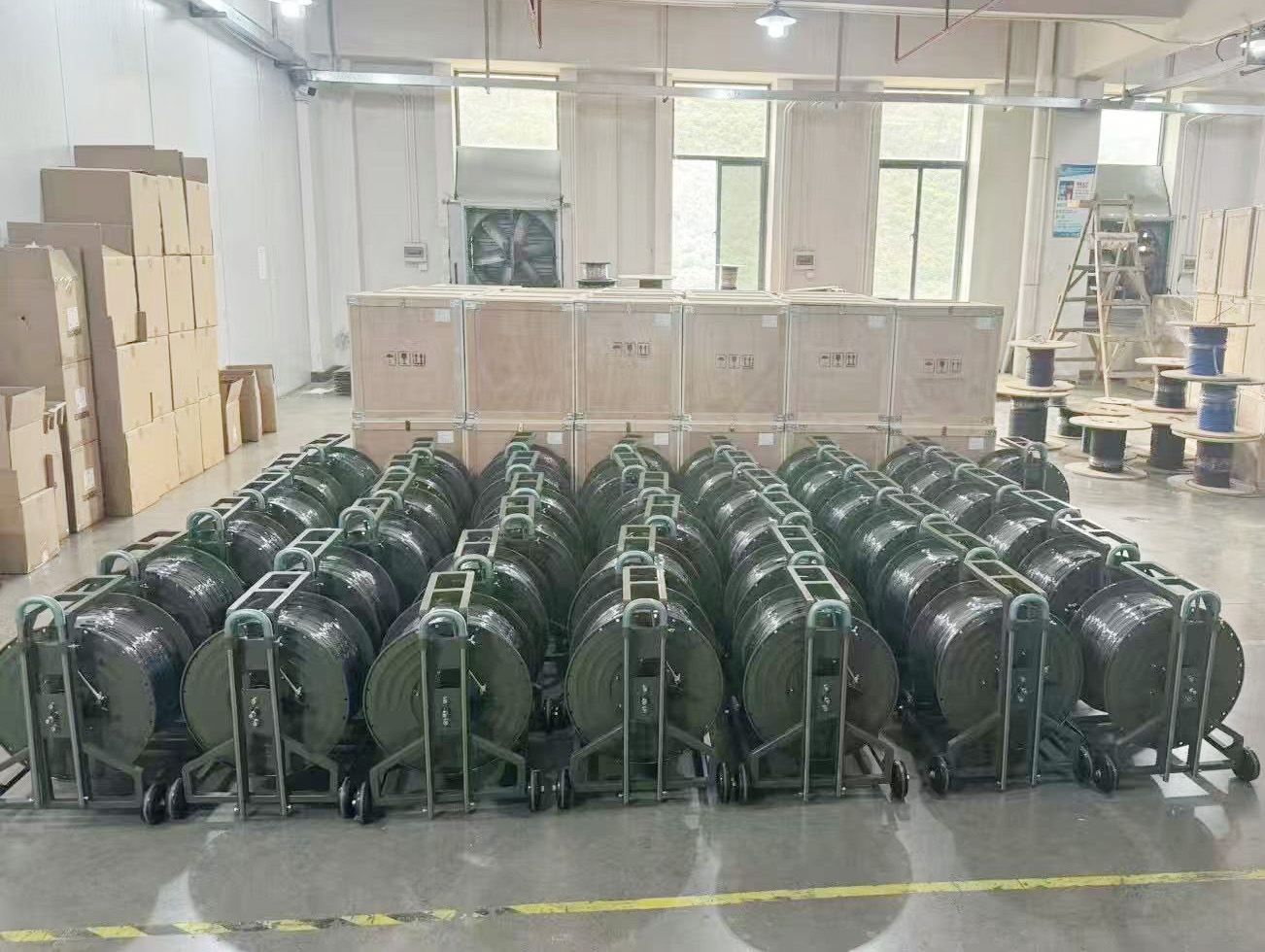
Inside our production facilities, specialized technology, automated processing, and rigorous quality inspection protocols align with global telecommunication standards.

To achieve minimal insertion loss and low back-reflection, our plant employs high-precision polishing machinery alongside real-time 3D interferometry. Each connector is measured for geometry compliance, including physical radius of curvature, apex offset, and fiber undercut or protrusion. This strict control avoids connector gap issues, supporting network stability under high thermal loads.
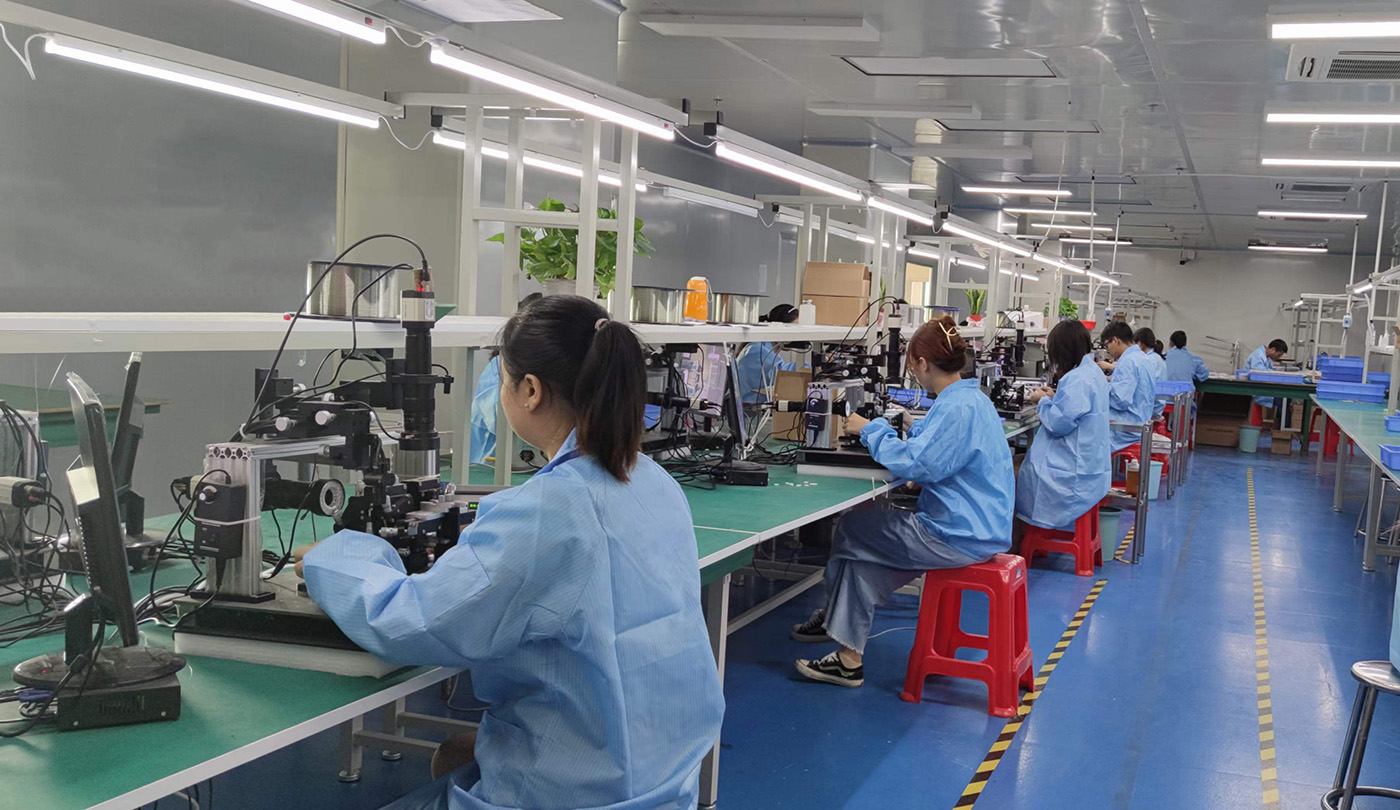
Our validation labs test transceivers, Active Optical Cables (AOC), and Direct Attach Copper (DAC) products for electrical performance. Specialized oscilloscopes and Bit Error Rate Tester (BERT) platforms check high-frequency signal paths. This process verifies clean eye diagrams, minimal jitter, and low bit error rates across wide temperature ranges, supporting operation in dense system layouts.
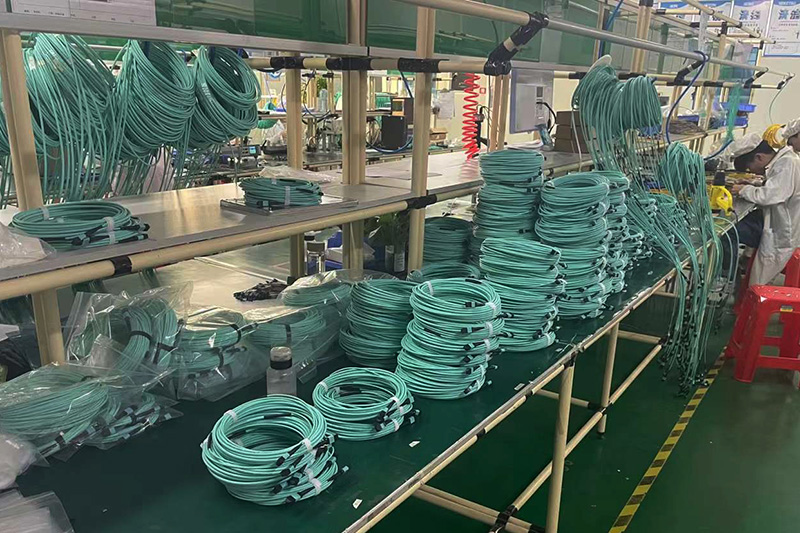
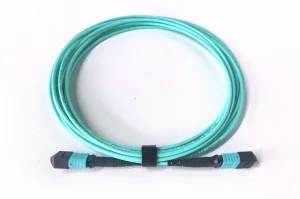
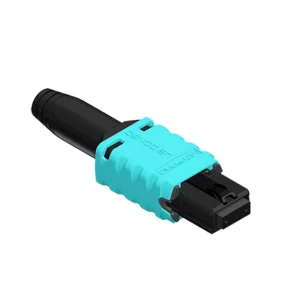
Specialized line assembling high-density, multi-fiber optical arrays. Polishing fixtures and automated testing verify insertion loss values across all 12, 16, or 24 optical pathways.
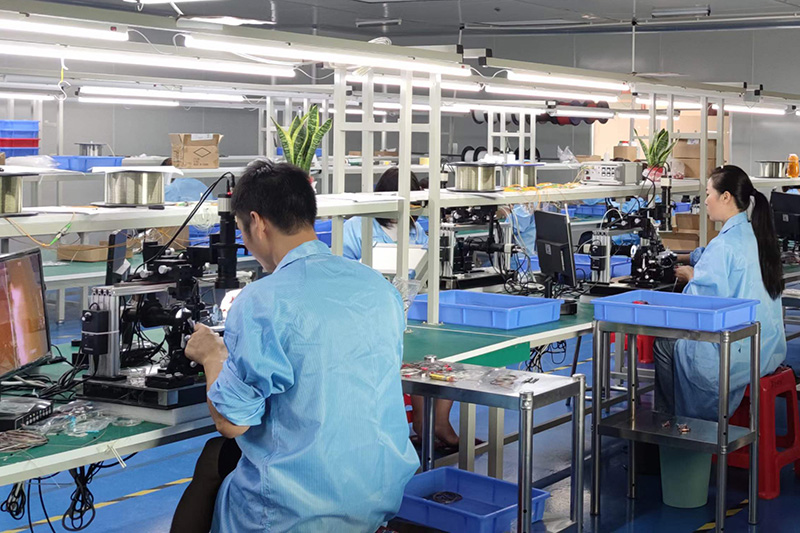
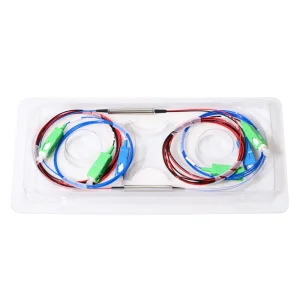
Precision optical splitter alignment and assembly. Processes ensure uniform optical splitting ratios across passive distribution systems (FTTH/FTTx).
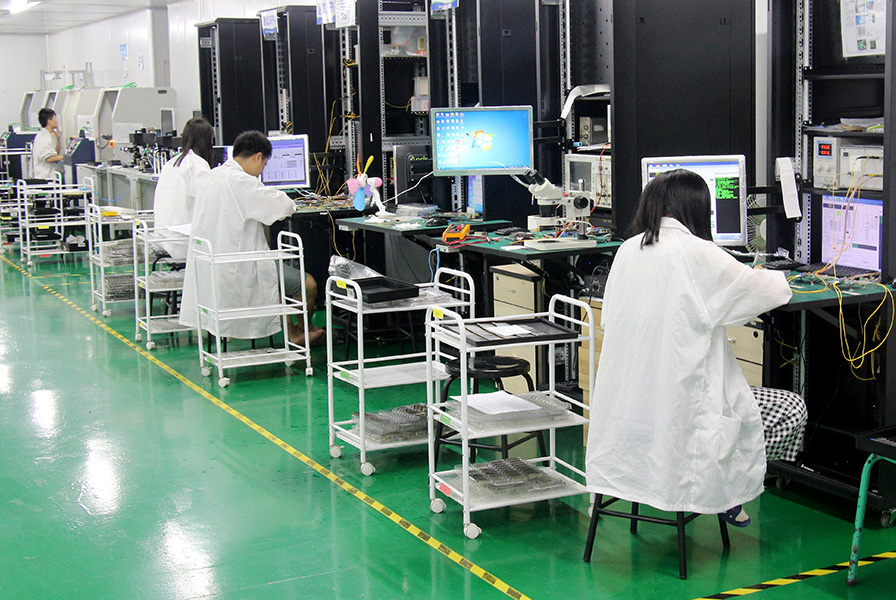
ESD-controlled clean room environment for active optical engines. Automated optical coupling and active alignment processes optimize signal performance.
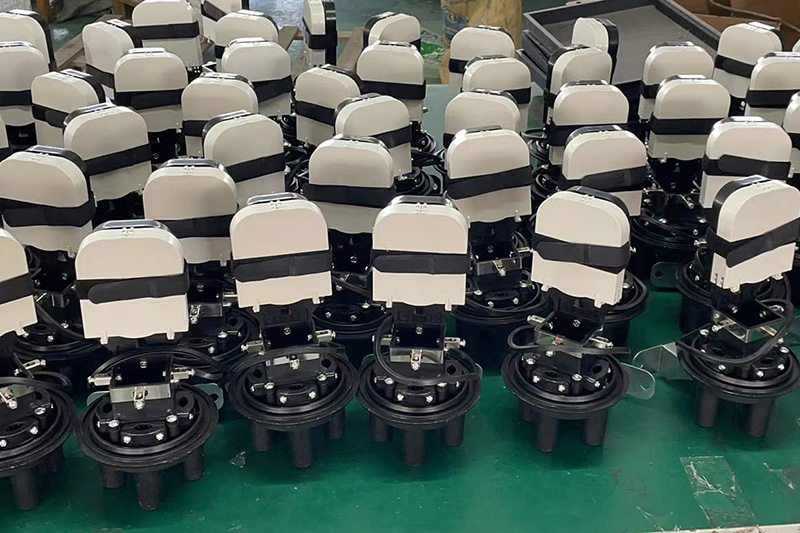
Enclosure production line preparing Fiber Distribution Boxes (FDB) and Splice Closures (FOSC) to meet IP-rated weatherproofing and mechanical requirements.
Designing physical layer products to meet specific user demands, proprietary form factors, and challenging application environments.
At KCO Fiber, we offer a technical approach to manufacturing active and passive cabling components. Our custom engineering services accommodate specialized lengths, unique coloring schemes, space-saving connector options, and customized outer jackets. We provide tailored connectivity solutions to integrate with varied datacenter layouts and routing pathways.
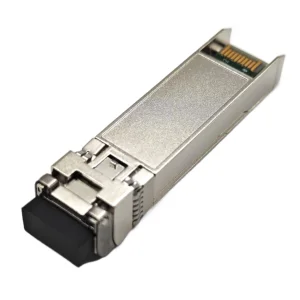
Our active SFP, SFP+, QSFP28, QSFP56, and QSFP-DD DAC and AOC assemblies are coded and verified on-site to maintain compatibility with major routing and switching platforms, including: Cisco, Huawei, ZTE, H3C, Juniper, HP, TP-Link, D-Link, Dell, Netgear, Ruijie, and other network hardware manufacturers.
This deep hardware adaptation relies on customized EEPROM coding to prevent port lockouts, system warning errors, or link initialization failures upon system startup.
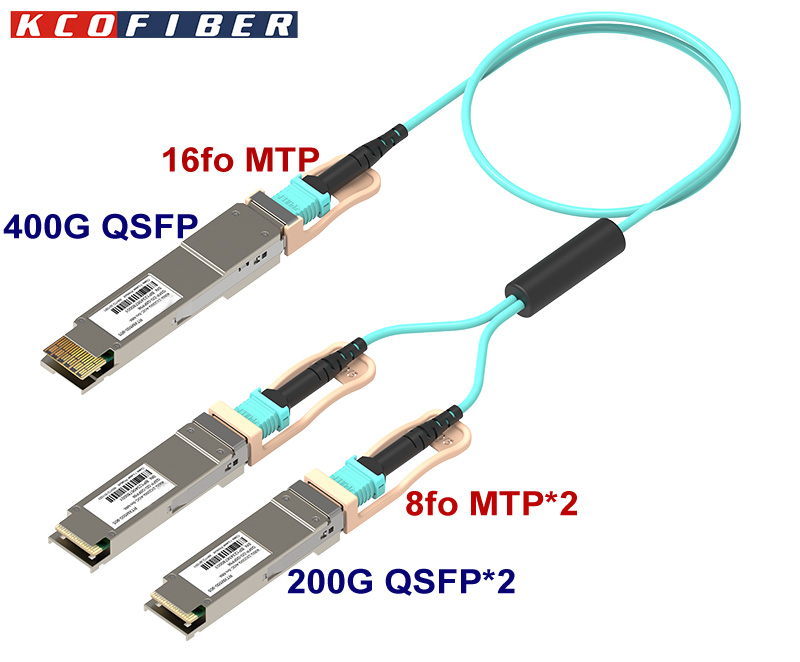
Customization from the ground up, including high-frequency PCB track optimization, tailored optical coupling assemblies, custom transceivers, and firmware adjustments for specific client host systems.
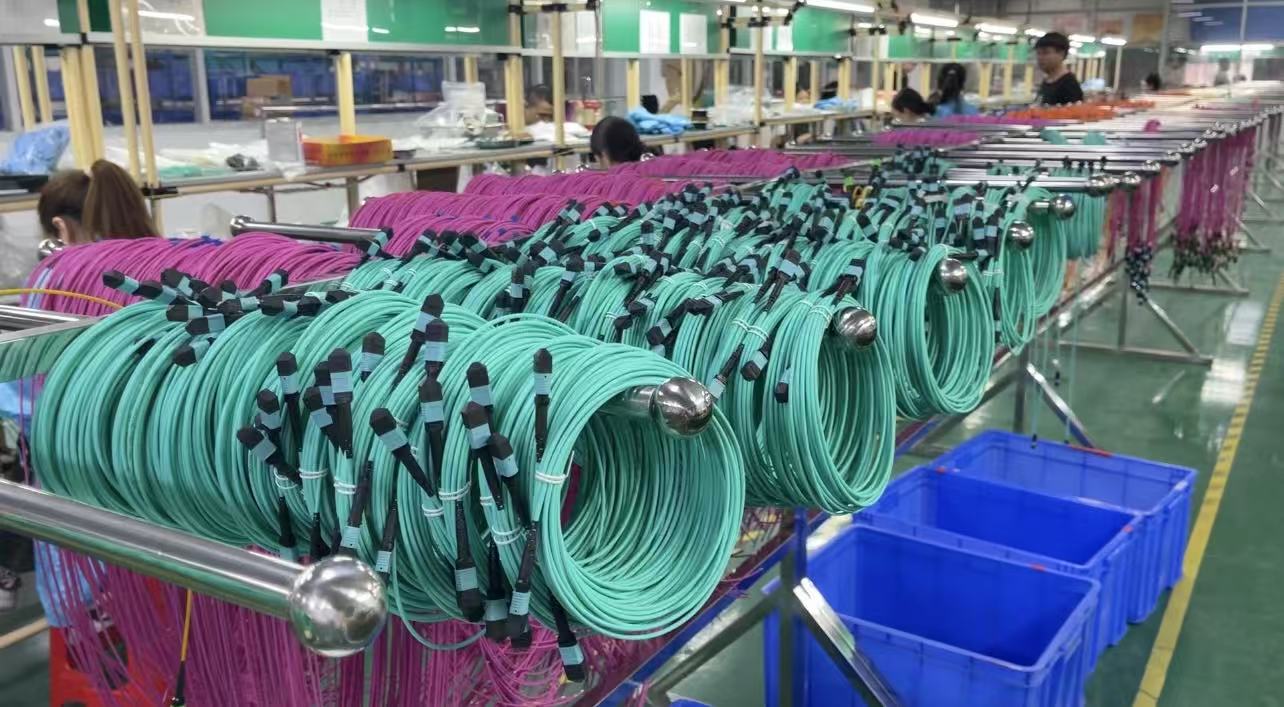
Custom design services for tactical CPRI patch cords and MTP/MPO arrays, utilizing LSZH, Plenum, or armored jacket profiles to protect against physical wear and ambient moisture.
Production of custom sheet metal products, covering ODFs, fiber splice trays, and custom-labeled rack units, with CAD-to-prototype design validation services.
Visual confirmation of our cleanroom operations, testing benches, and precision molding lines.
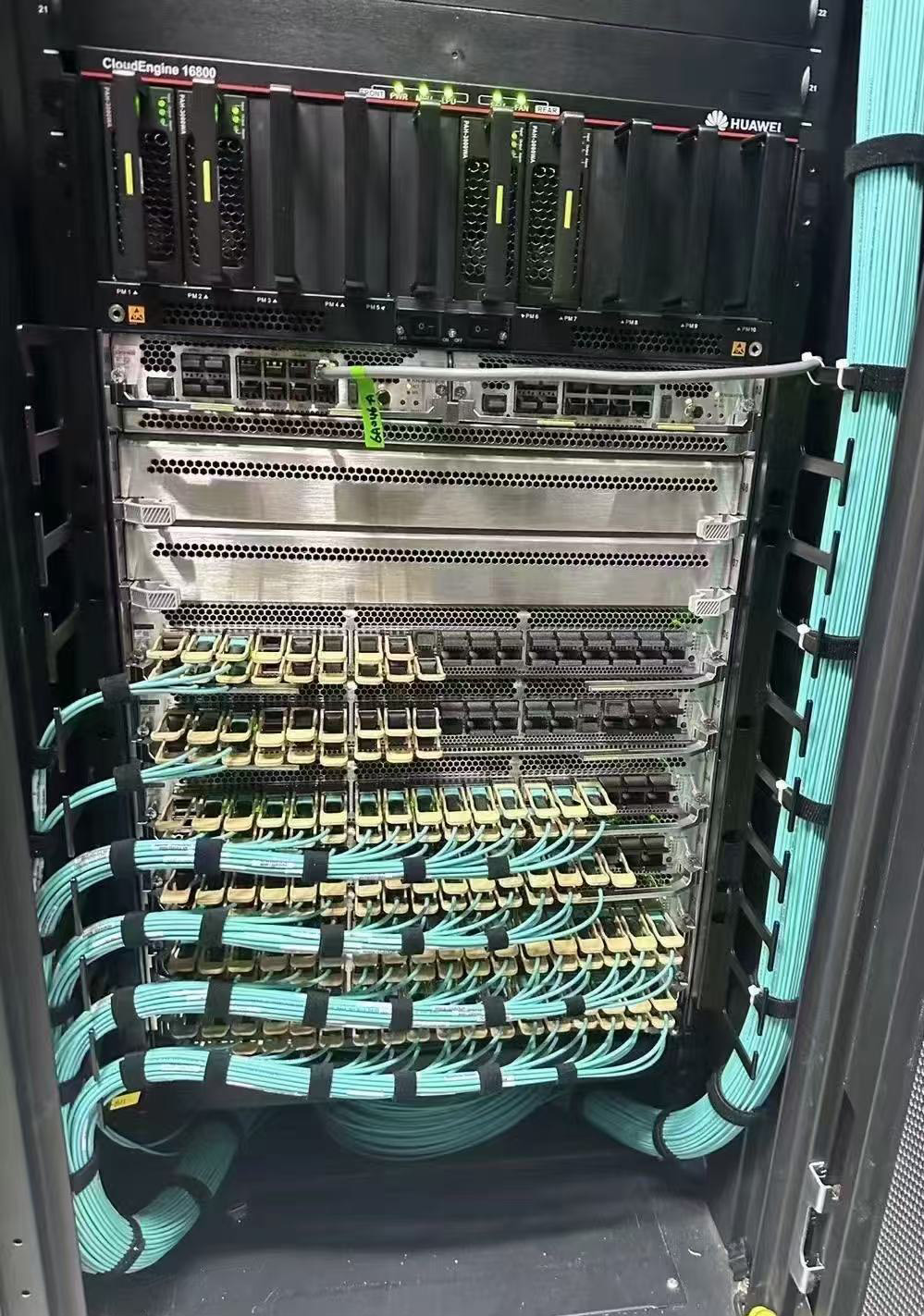


With data traffic scaling upward, data networks are adopting PAM4 modulation schemes and multi-lane setups. Current high-performance switches utilize 112G SerDes ports, which require 800G optical interfaces (such as 8x100G configurations) or 800G Direct Attach Copper links. This shift increases thermal density inside standard 1RU switch chasses.
To address thermal management issues, DAC cables are evolving from standard configurations to Active Copper Cables (ACC) and Active Electrical Cables (AEC). These newer types use integrated retimer IC chips to thin the copper core (changing the gauge from 26AWG to 32AWG) while maintaining signal integrity. At the same time, Co-Packaged Optics (CPO) designs place the optical engine closer to the switch ASIC chip. This layout bypasses traditional PCB trace paths, helping to lower power requirements and reduce high-frequency signal losses.
Kocent Optec continues to monitor and develop high-speed interconnect products designed for upcoming data center upgrades.
Tailored physical layer portfolios optimized for distinct structural network models.
Designed for dense deployments requiring leaf-spine routing. Our range includes high-density MTP/MPO panels, custom trunk cabling, and high-speed transceivers (from 100G to 400G). These products are engineered for quick deployment and reliable performance in demanding, high-throughput operating environments.
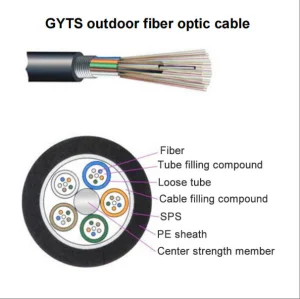
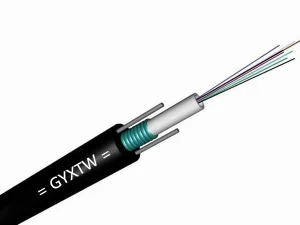
Deployments in exposed sites require robust weatherproofing. We supply specialized outdoor fiber cables (such as GYTS and GYXTW types), tactical CPRI patch cords, and IP67-rated splice enclosures. These solutions are built to resist water ingress, UV exposure, and wide temperature shifts at modern cell sites.
Designed for campus-wide network upgrades. The portfolio includes OM3/OM4 multi-mode patch assemblies, single-mode trunk cables, and compatible transceivers. These options support bandwidth growth and reliable multi-point routing without requiring a complete overhaul of existing physical racks.
Technical guidance on high-speed copper and optical assemblies to assist system designers and procurement teams.
Passive DAC cables contain no active electronic components within the transceiver housing. They rely on the host system's port circuitry for signal equalization. This design limits their functional reach to roughly 5 to 7 meters. Active DAC cables (ACCs) include integrated redriver or equalizer chips, which amplify and reshape signals. This addition extends their transmission range up to 10 or 15 meters using thinned copper conductors.
Active Optical Cables (AOCs) are recommended when your routing distances exceed 7 meters, or when cables must run through tight pathways. Because AOCs are made of lightweight optical fiber rather than thick copper cores, they are easier to bend and route. Additionally, AOCs provide complete protection against electromagnetic interference (EMI), making them suitable for dense environments where copper cables might experience signal crosstalk.
Our technical testing lab programs and validates the EEPROM on each transceiver, DAC, and AOC we produce. We load customized firmware configurations tailored for specific manufacturers, including Cisco, Arista, Juniper, Dell, and HP. This step helps prevent port blockages, system alarms, and link errors when connecting to multi-vendor switch arrays.
Our manufacturing lines operate under Telcordia GR-326-CORE requirements. Each fiber assembly is subjected to insertion loss and return loss testing, visual inspection under high-magnification microscopes, and 3D interferometry geometry analysis. These steps ensure clean glass mating and prevent physical signal degradation at interface points.
Yes, we provide full OEM and ODM services. We can customize cable jacket colors, write specific EEPROM vendor data, print custom labels with part numbers or serial codes, and manufacture custom lengths. These services help streamline assembly and cable management on-site during large-scale network deployments.
Complete your optical networks with our certified assemblies, direct-attach cables, and cleaning tools.
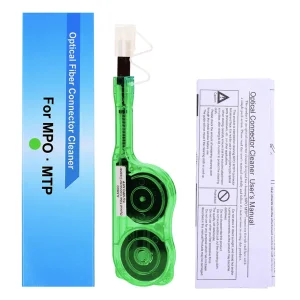
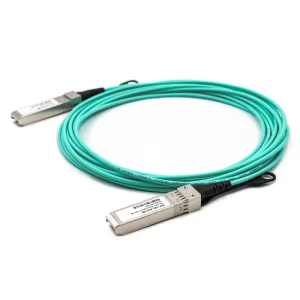
Discuss your custom interconnect designs, bulk pricing options, and vendor compatibility parameters directly with our engineering team today.
Contact Our Technical Sales Team KOCENT OPTEC