Advanced passive and active interfaces optimized for enterprise networks and high-density environments
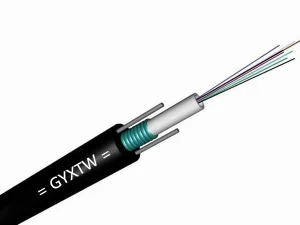
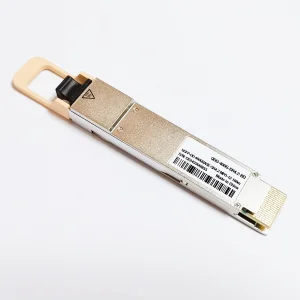
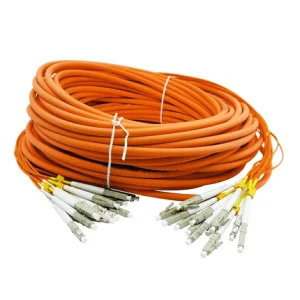
As networks scale to support massive workloads like Artificial Intelligence, 5G, and high-performance computing, the physical layer—the fiber optic cabling infrastructure—remains the fundamental bottleneck to system performance. **Kocent Optec Limited (KCO)**, established in 2012 in Hong Kong, operates at the core of this global paradigm shift as a leading Chinese developer, manufacturer, and OEM partner for high-precision fiber optic termination products.
Under tight project schedules and stringent specifications, standard off-the-shelf patch cords fail to deliver. Modern hyperscale data centers and telecommunications networks require low insertion loss, high structural stability, and reliable performance over millions of connection cycles. We serve as a strategic engineering partner, designing solutions that align with the specific network architectures of our global clientele.
How the demands of AI infrastructure and carrier networks shape physical-layer requirements worldwide
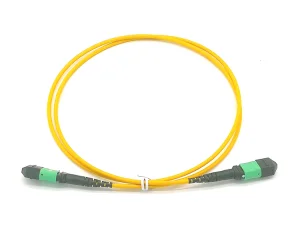
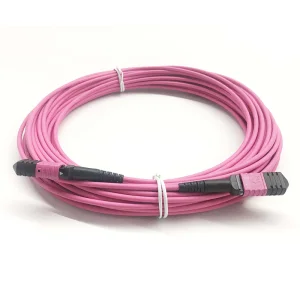
Modern cloud facilities running machine learning frameworks depend on parallel computing fabrics. Networks are shifting rapidly from 100G/200G to 400G and 800G. This progression demands ultra-reliable MTP/MPO ribbon configurations that minimize optical insertion loss budget margins down to fractional decibels.
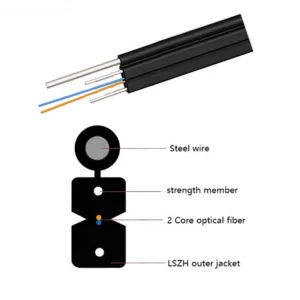
Carrier networks are aggressively deploying fiber to the home (FTTH) and fiber to the antenna (FTTA). High fiber-count drop cables and ruggedized outdoor patch cables must withstand extreme environments, UV radiation, and severe mechanical strain while maintaining consistent long-haul optical performance.
Harsh environments like tactical field networks, railways, and offshore wind installations require armored field-deployable cables. These configurations demand high tensile strength, resistance to chemical solvents, and crush-proof outer jackets capable of protecting the delicate glass cores inside.
Due to the globalization of supply chains, network operators prioritize manufacturers that offer end-to-end design, rapid component customization, and rigorous quality control. The total cost of ownership (TCO) is directly linked to the reliability of patch cords. A single microscopic defect or connector misalignment can lead to critical network downtime, costing millions of dollars per hour in enterprise environments.
Optical interconnect technology has evolved from standard Simplex and Duplex patch cords (LC, SC, FC) to complex multi-fiber configurations. This transition is critical to maximizing space utilization inside dense network equipment racks.
Inside Kocent Optec's specialized manufacturing ecosystem where quality meets scale
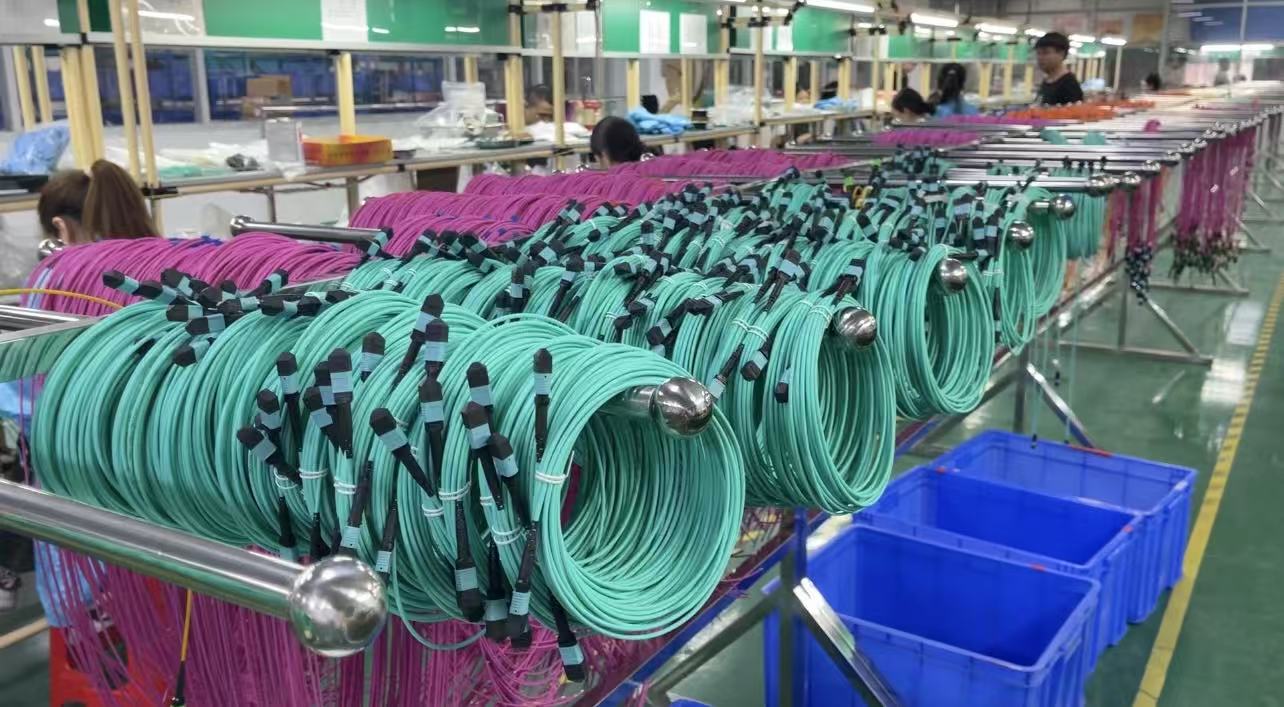
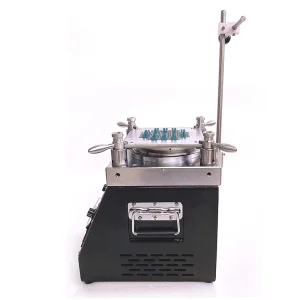
Kocent Optec operates specialized production lines dedicated to high-precision optical components. From polishing and terminal box assembly to electro-optical transceiver calibration, our processes are designed to meet strict quality tolerances.
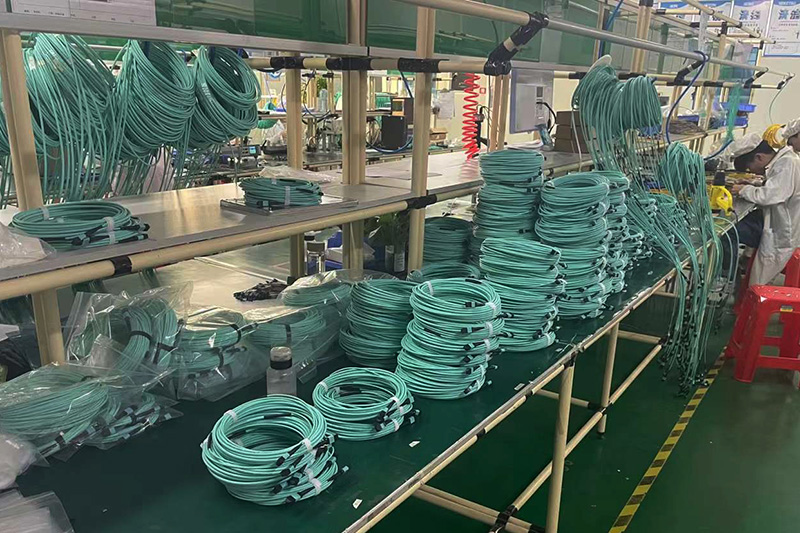
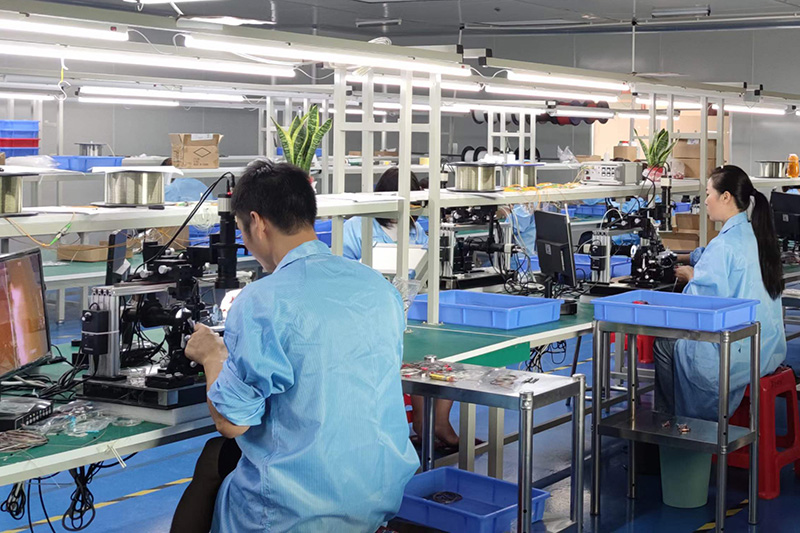
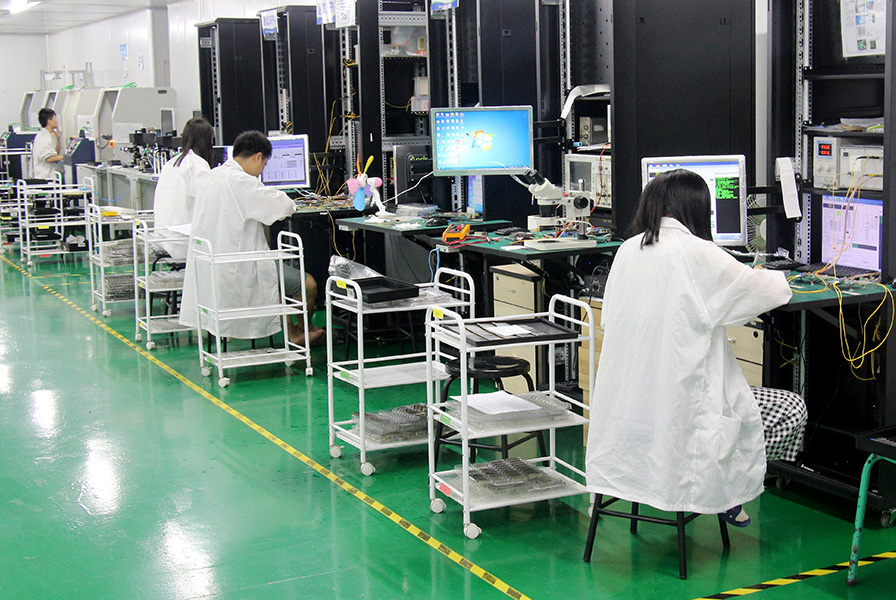
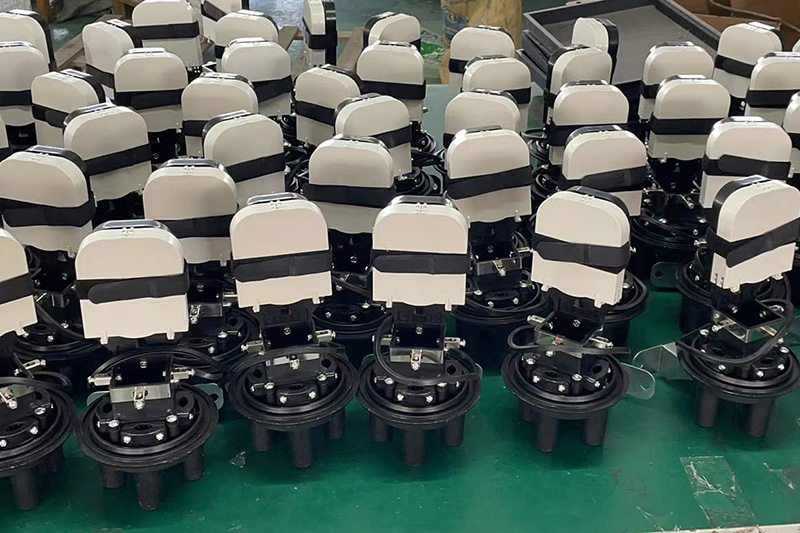
We believe that 100% inspection is mandatory for high-performance networks. We utilize advanced testing equipment to verify the optical, physical, and mechanical properties of our products.
"By leveraging our manufacturing experience and production capacity, we aim to optimize value for our customers. We focus on close collaboration, serving as a supportive partner in fiber optic connectivity. Every batch undergoes comprehensive quality testing before departure, helping our customers build reliable, long-lasting network infrastructures."
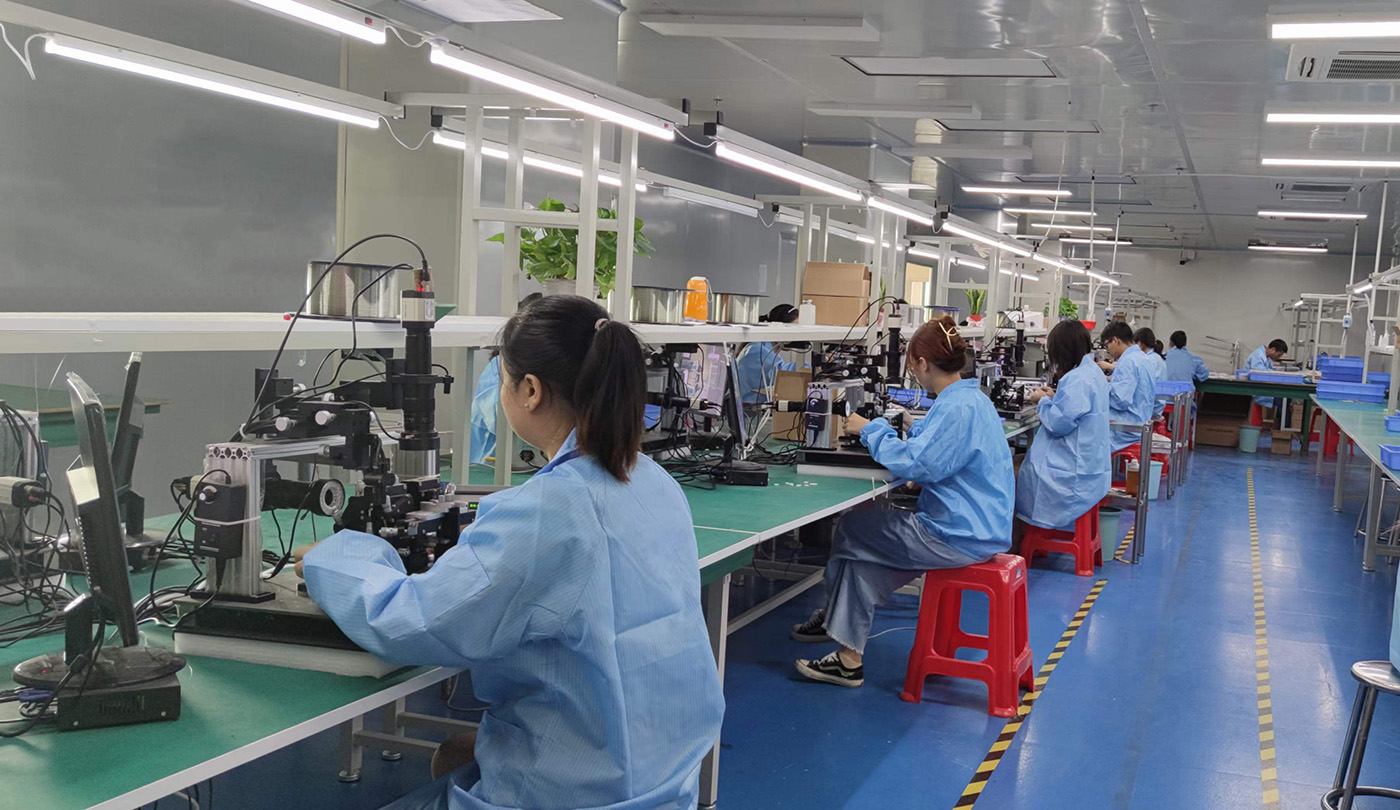 100% Inspected & Certified Assemblies
A visual look inside our core distribution, engineering, and raw materials preparation phases
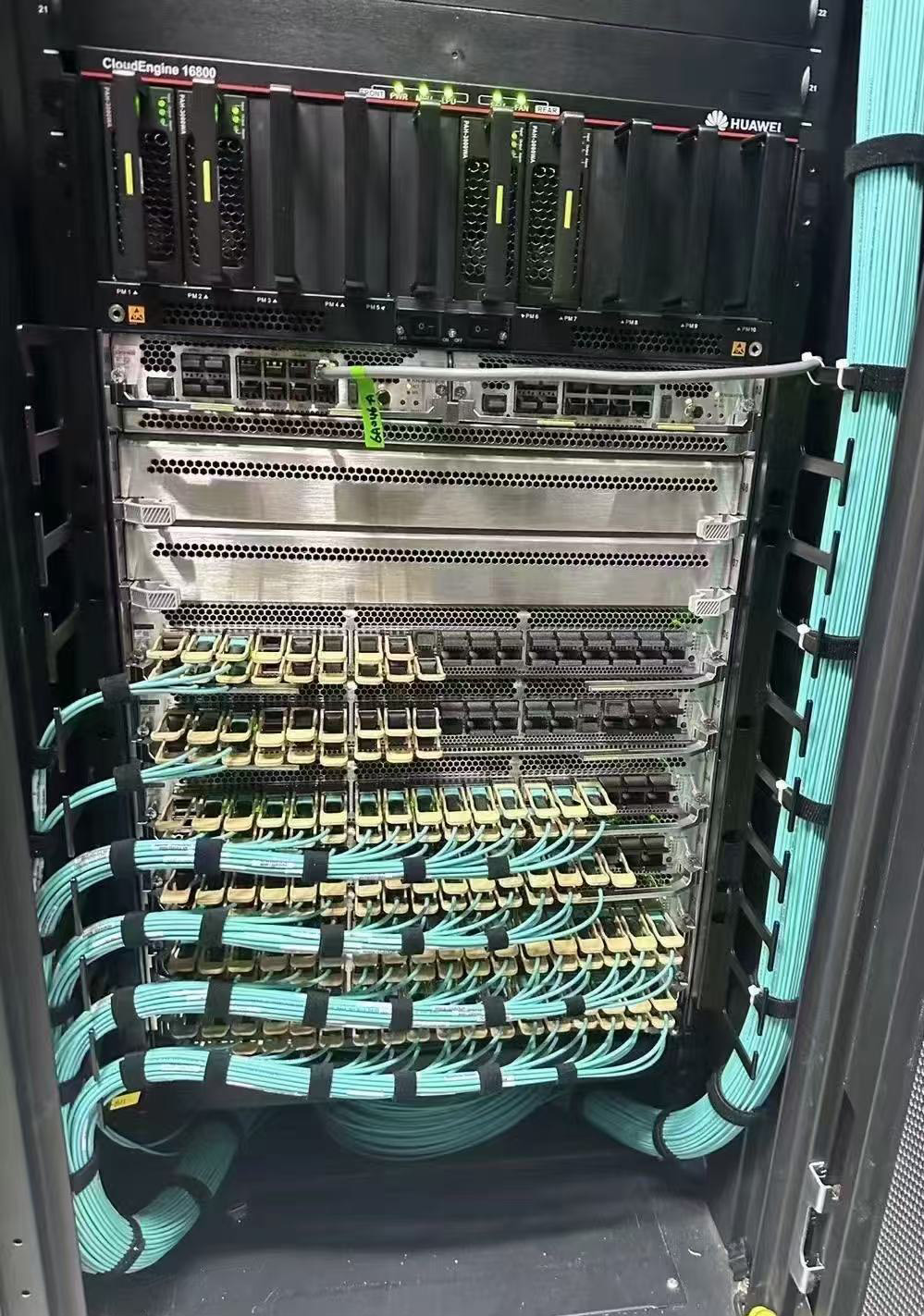

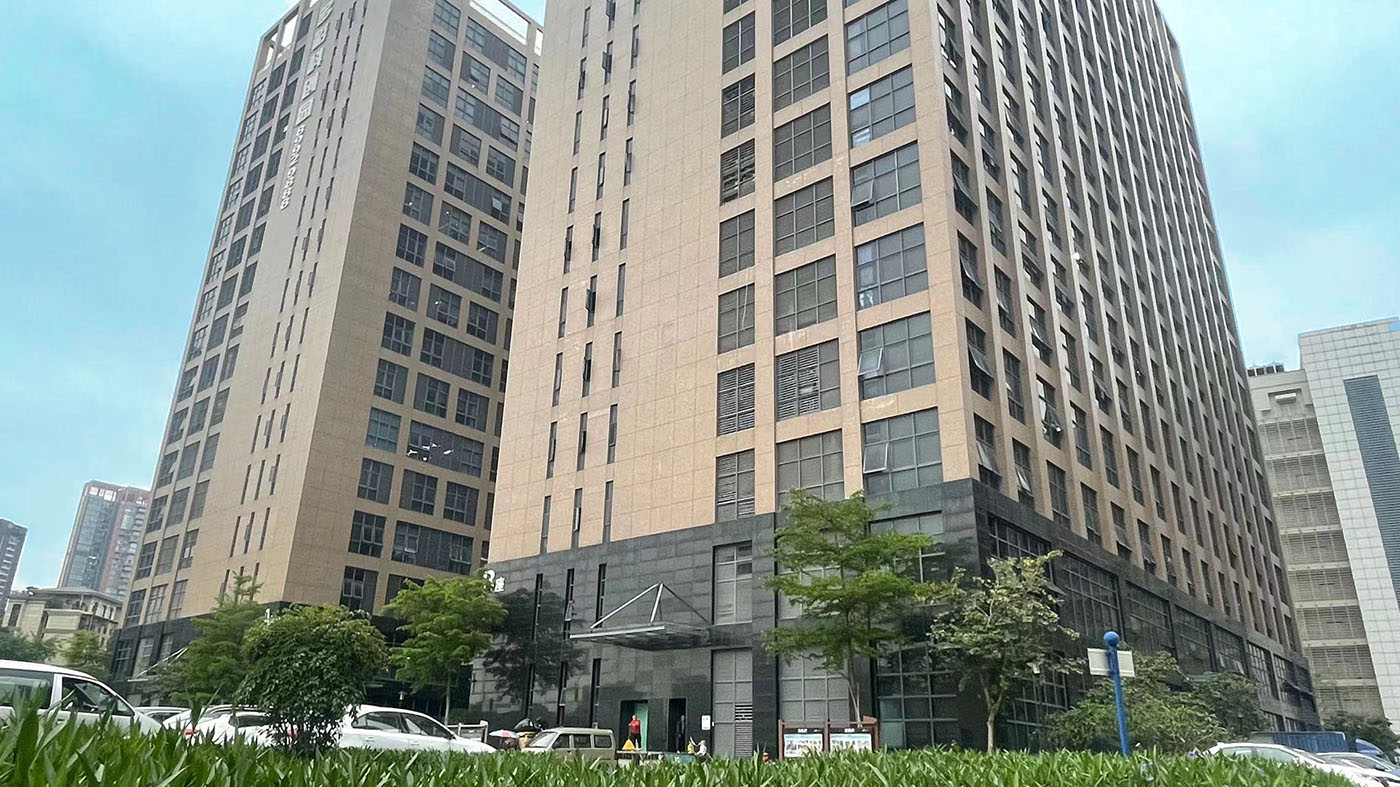
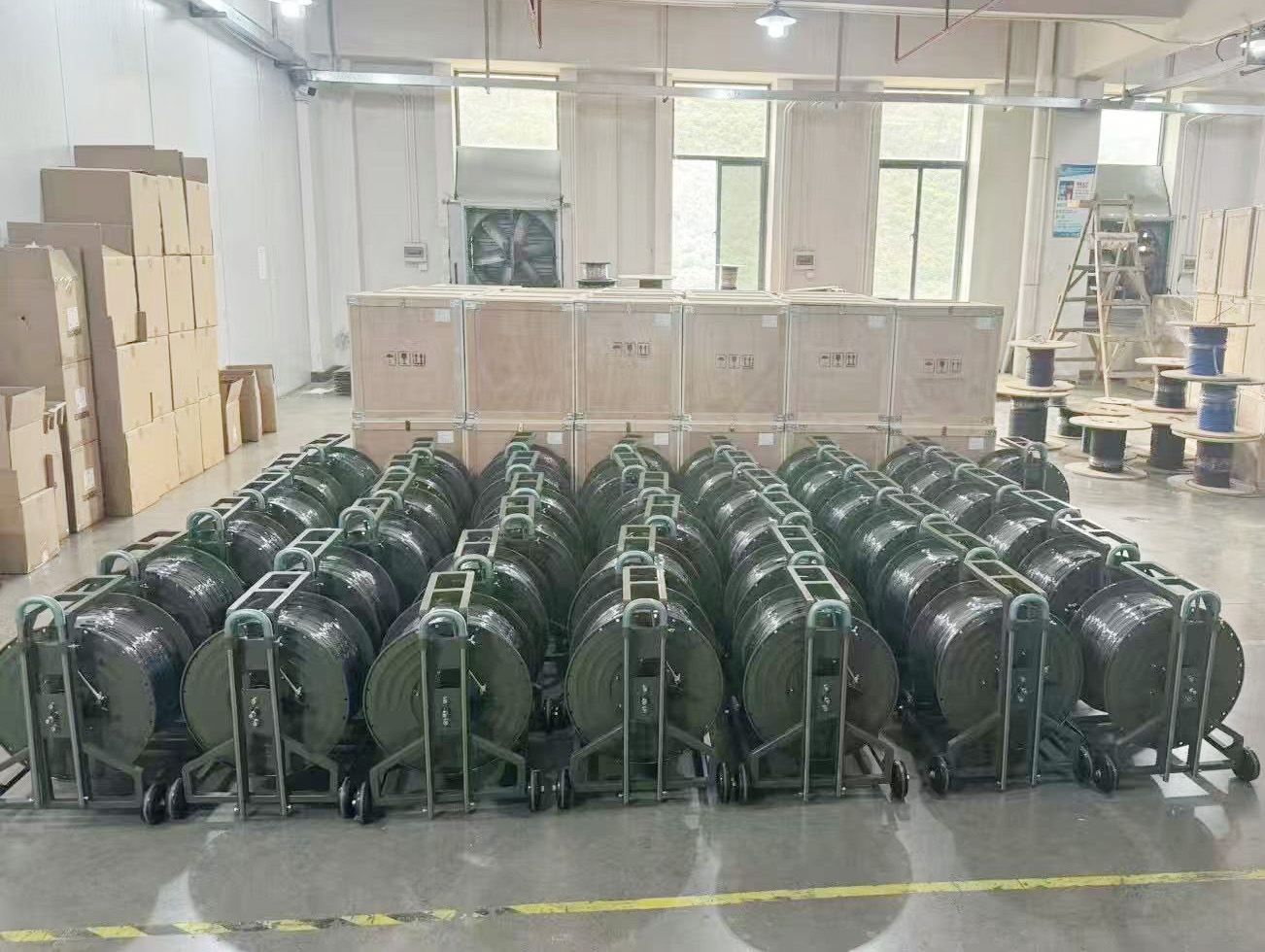
We collaborate with our customers to develop best-in-class fiber optic products under tailored OEM and ODM agreements. Our services allow operators to leverage our manufacturing experience to expand capacities while managing operational costs.
* Minimum Order Quantities (MOQ) apply based on product specifications. Please contact our sales team to discuss details.
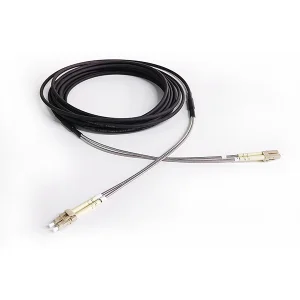
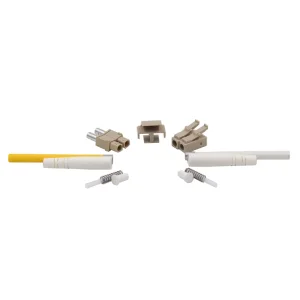
Kocent Optec provides a consultative approach to customized cable assemblies. We customize Tactical CPRI Patch Cords, MTP/MPO systems, and multi-core fiber structures for standard and specialized environments.
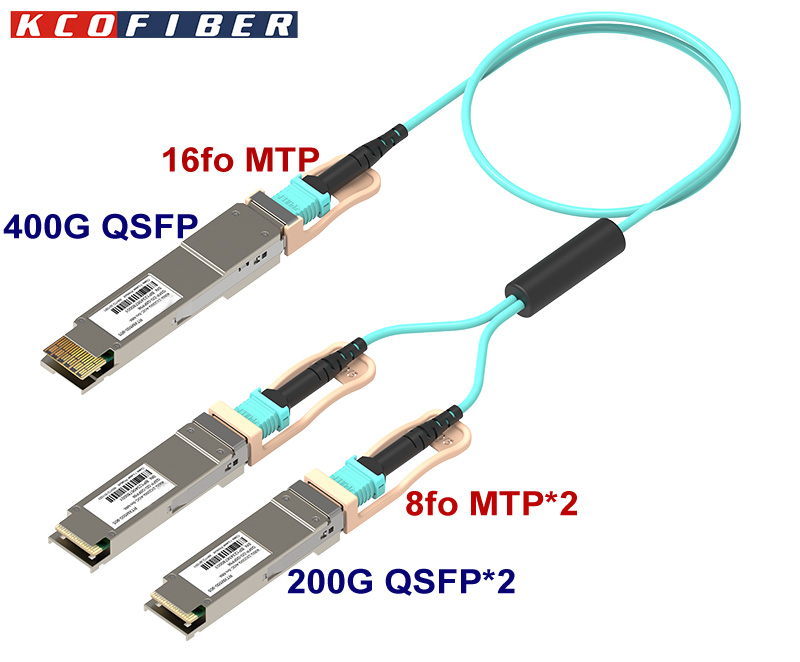
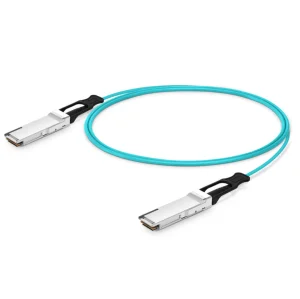
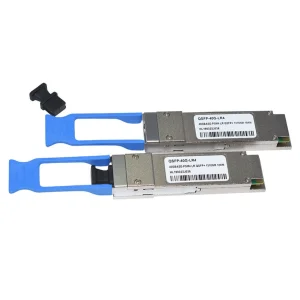
Our hardware portfolio includes active SFP, SFP+, QSFP, AOC, and DAC systems designed to be compatible with switches from manufacturers such as Cisco, Huawei, ZTE, H3C, Juniper, HP, TP-Link, D-Link, Dell, Netgear, and Ruijie.
We design customized active transceiver interfaces, offering customized optical configurations, mechanical designs, PCB layouts, electrical parameters, software, and customized labeling.
Customized configuration of distribution frames, outdoor splice closures, and terminal box layouts based on installation environment and cable pathways.
End-to-end architectures tailored for key commercial and utility sectors
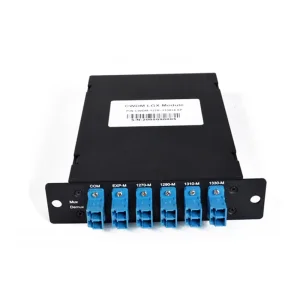
High-density interconnects demand structured cabling that allows easy migrations from 100G to 400G and 800G. We supply factory-terminated MTP/MPO trunks, patch panels, and breakout modules designed to reduce deployment times and cable congestion.
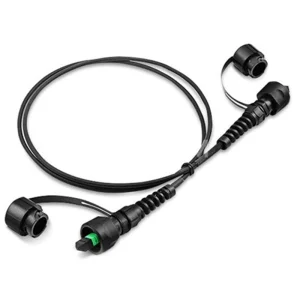
5G base stations require optical links that run up the cell tower to the remote radio heads (RRH). Our tactical field cables and IP67 ODVA MPO patch cords are built to operate reliably under harsh weather conditions, including rain, snow, and wind.
For distributed university, corporate, or industrial sites, we design single-mode and multimode optical links. These systems support backbone routing, link aggregation, and distribution closures, ensuring consistent connectivity across campus sites.
Detailed analysis of core fiber optic engineering principles, connector design, and system specification
Optical loss is primarily caused by axial misalignment, angular tilt, physical gaps between fiber cores, and contamination. In multi-fiber interfaces like MTP/MPO, physical alignment is controlled by precise guide pins and matching guide pin holes. Any dust or residue can offset this alignment, causing high insertion loss. Kocent Optec manages this by holding ferrule tolerances to tight margins and verifying assemblies with 3D interferometry.
UPC (Ultra Physical Contact) features a flat, domed end-face, yielding a return loss of >50dB. APC (Angled Physical Contact) features an end-face polished at an 8-degree angle, redirecting back-reflected light out of the core and yielding a return loss of >65dB. APC is typically required in single-mode systems, RF video transmission, analog systems, and high-speed multi-wavelength systems. UPC remains standard for multimode networks and digital links.
Jacket compound selection depends on local building codes and the installation environment. PVC (polyvinyl chloride) is suitable for patch cords used inside individual racks. LSZH (Low Smoke Zero Halogen) is designed for environments with poor ventilation; it does not release toxic halogen gases when burned. OFNP (Plenum) is rated for use in vertical shafts and air ducts, featuring flame-retardant properties to prevent fire propagation.
Optical transceivers require correct EEPROM/MCU firmware programming to match host device requirements. KCO utilizes target devices (such as Cisco Nexus, Juniper EX/MX, Huawei CloudEngine) within our testing lab to verify transceiver firmware compatibility. This ensures that SFP, SFP+, QSFP28, and QSFP-DD modules initialize properly, transmit DOM parameters, and do not trigger host device warnings.
Standard G.652.D single-mode fiber is susceptible to signal loss when bent around tight radiuses. G.657.A1 and G.657.A2 fibers feature a modified refractive index profile that confines the optical mode even when bent. This allows cables to be routed around tight corners without experiencing high bending losses, making them ideal for high-density patch panels, FTTH drops, and compact splice closures.
Expand network capabilities with our active optical transceivers, multiplexers, and ruggedized drop cables
 KOCENT OPTEC