 KOCENT OPTEC
China Top 10 Flat Drop Cable Suppliers?
Key Product, Quality, and Certification Factors to Compare
Comparing leading Chinese flat drop cable suppliers requires more than reviewing catalog photos. Check fiber type, count, and application carefully. G.657.A2 fiber suits tight indoor bends and reduces installation loss. For outdoor routes, inspect the jacket material, UV resistance, messenger strength, and operating temperature. A typical cable should show clear attenuation data, tensile performance, crush resistance, and minimum bend radius.
Small details matter.
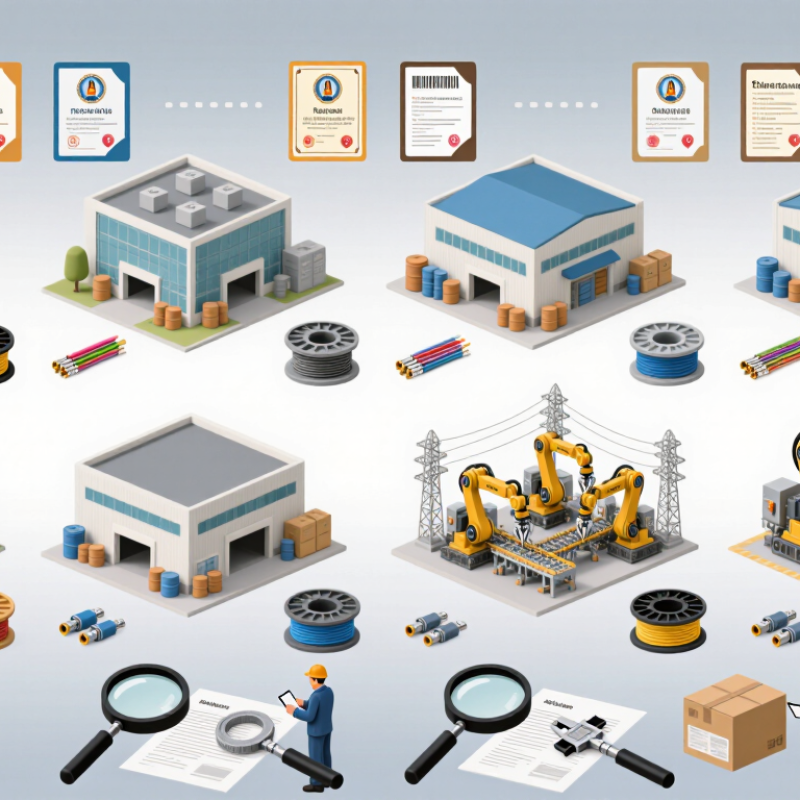
Quality evidence should come from controlled production, not only a sales quotation. Ask for recent factory test reports, incoming material records, and batch traceability. OTDR results, end-face inspection, and proof-test data can reveal inconsistent fiber performance. Examine a physical sample. Look for centered fiber placement, smooth coating, clean ripcords, and stable dimensions. I have seen attractive samples fail during repeated bending tests. That possibility deserves attention.
Certification also needs careful verification. Confirm whether ISO 9001 covers the actual manufacturing site. Check the certificate’s scope, issue date, and validity with the issuing body. IEC 60794 references may support cable testing, while RoHS and REACH documents address material restrictions for relevant markets. Some destinations may require additional approvals. Do not assume one certificate fits every project. Compare test methods, not just certificate logos. A supplier with slower answers may still offer stronger technical control, but unclear documents remain a serious warning.
