In today's fast-paced digital landscape, choosing the right Fiber Adapter is critical. This device plays a key role in ensuring seamless data transmission over fiber optic networks. According to a recent report by the International Telecommunication Union, the demand for high-speed internet is projected to rise by over 25% annually. This rapid growth emphasizes the need for reliable network infrastructure.
Selecting the appropriate Fiber Adapter requires careful consideration of several factors. Professionals often cite compatibility, performance specifications, and future scalability as essential criteria. Interestingly, a survey by Network World found that over 40% of organizations faced connectivity issues due to inadequate adapters. This highlights the importance of making informed choices when selecting these devices.
It's important to acknowledge that not all Fiber Adapters are created equal. While some may boast advanced features, they might lack reliability in certain environments. The decision-making process can be complex and may leave users grappling with conflicting information. Ultimately, understanding both the capabilities and limitations of available options is crucial for optimizing network performance.
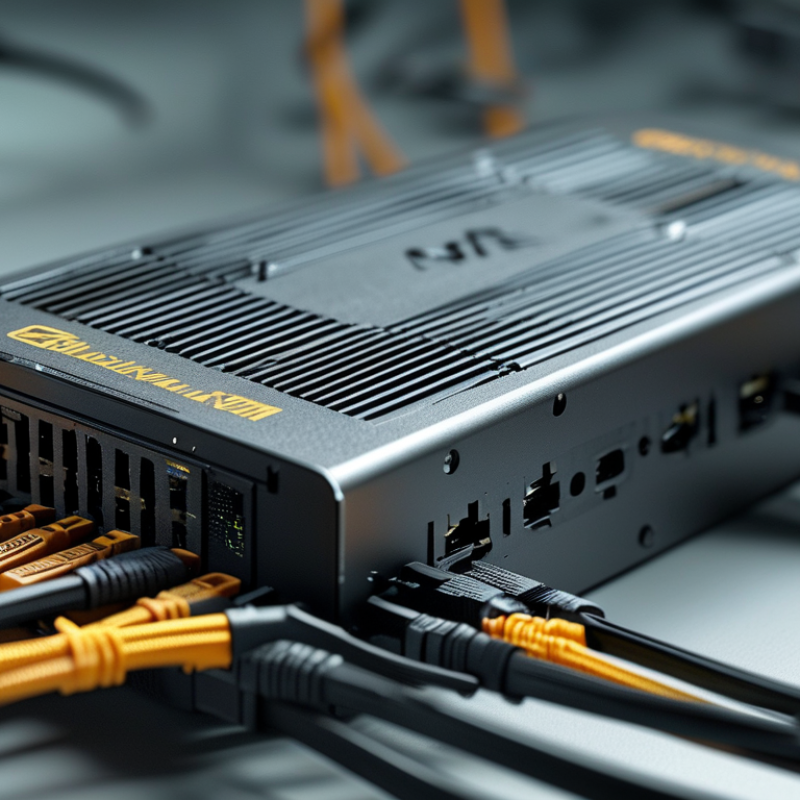
When selecting a fiber adapter, understanding the different types is essential. Fiber adapters serve as connections between fiber optic cables and devices. They come in various forms, such as SC, LC, ST, and MTP. Each has unique features suitable for specific applications. For instance, SC connectors are popular for their user-friendly design and reliability.
Consider the type of fiber you’re using. Single-mode fibers require different connectors than multi-mode fibers. Ensure compatibility to avoid signal loss. Measure the distances you need to cover. Long distances benefit from specific adapter types that maintain signal integrity.
Tip: Research the installation environment. A clean, dust-free setting will enhance performance. Another tip: consult with a fiber optics expert if you're unsure. It's better to ask for professional advice than to face issues later on. Finally, check for reviews and installation guides before making a choice. Quality matters, even in a small component like a fiber adapter.
| Tip No. | Tip | Explanation | Typical Use Cases |
|---|---|---|---|
| 1 | Determine Compatibility | Ensure the adapter is compatible with your existing network equipment. | Home networking, enterprise switches. |
| 2 | Consider the Fiber Type | Identify whether you need single-mode or multi-mode fiber adapters. | Long-distance vs. short-distance connections. |
| 3 | Check the Transmission Speed | Evaluate the speed requirements for your application. | Data centers, high-speed networks. |
| 4 | Look for Quality Assurance | Choose adapters that meet industry standards and certifications. | Enterprise networks, critical applications. |
| 5 | Evaluate Cost vs. Performance | Balance between budget constraints and performance needs. | Cost-sensitive projects, budget networks. |
: Check the connector types used in your network, like LC, SC, or ST. Mismatches lead to performance issues.
Each adapter supports different speeds. Choose one that meets or exceeds your system to avoid slowdowns.
Assess where the adapter will be used. Some work well in controlled settings but fail in harsh conditions.
Look at their experience and history with quality products. Trustworthy manufacturers prioritize customer satisfaction.
Reviews provide insights into real-world performance. Be cautious of overly positive feedback; it might be misleading.
Yes, they can reveal critical failures or issues that are worth considering. Don't overlook them in your research.
A quality adapter can range widely in price. Choose one that balances cost and performance for better value.
Speed, compatibility, and ease of installation are important. These factors significantly impact your overall experience.
While lower prices are tempting, they may lead to poor performance and higher maintenance costs in the long run.
Assess technical specifications and your actual needs. This avoids pitfalls and enhances connection stability.
When selecting the right Fiber Adapter, it is essential to understand the various types available and their specific functions. Compatibility should be a primary consideration, ensuring that the chosen adapter aligns with existing systems. Additionally, assessing performance metrics, such as data transfer speeds and latency, can greatly influence the effectiveness of your network.
Evaluating the reputation of manufacturers and scrutinizing product reviews can provide insights into reliability and customer satisfaction. Finally, balancing cost with overall value is crucial; the cheapest option may not always meet long-term needs. By considering these factors, you can make an informed decision and choose the best Fiber Adapter to suit your requirements.

 KOCENT OPTEC