Choosing the right Fiber Coupler is essential for efficient optical communication systems. With numerous options available, it's crucial to understand your specific needs. Fiber Couplers come in various designs and functionalities, each serving unique purposes. This diversity can make selection challenging.
Consider the application you have in mind. Are you working with single-mode or multi-mode fibers? Different couplers perform optimally depending on these criteria. Assess the environment as well; for example, some couplers might not withstand extreme temperatures or humidity.
Electric engineers and optical professionals emphasize the importance of compatibility. A mismatch can lead to significant performance issues. Trust established manufacturers with proven reliability. Make informed choices to ensure quality results. Selecting a Fiber Coupler is not a trivial task. It requires careful thought and evaluation of various factors. Think critically as you proceed.
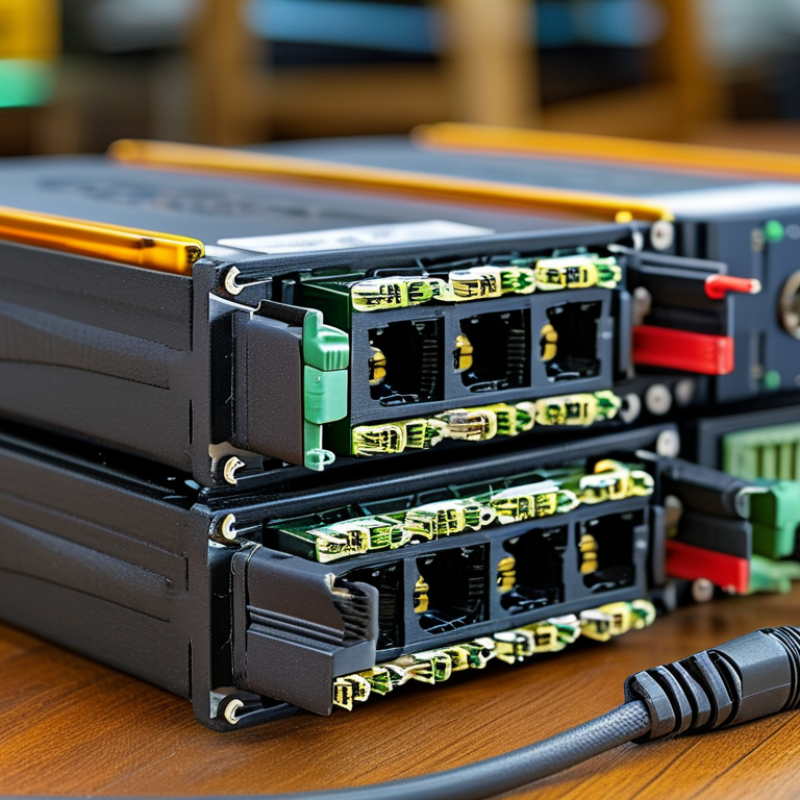
Fiber couplers play a crucial role in optical systems. They connect optical fibers with other components. This makes them essential for efficient signal transmission. Understanding the basics of fiber couplers helps in selecting the right one. They come in various types, such as fused and mechanical couplers. Each type serves a specific purpose and environment.
Applications of fiber couplers are diverse. They’re used in telecommunications, medical devices, and research labs. In telecommunications, fiber couplers aid in splitting signals. In medical devices, they guide laser light precisely. It’s important to consider factors like wavelength compatibility and coupling efficiency when choosing a coupler. A wrong choice can lead to signal loss or interference.
There are also common challenges users face. For instance, alignment errors can affect performance. Some may overlook the environmental conditions that impact coupler functionality. Understanding these intricacies can enhance decision-making. That’s why thorough research and expert consultation are vital. They can help navigate the complexities of fiber coupler selection.
Selecting the right fiber coupler can be challenging. Several key factors must be taken into account. First, consider your application requirements. Are you working with single-mode or multi-mode fibers? This choice impacts performance directly. Understanding the numerical aperture is crucial. A mismatch can result in significant signal loss.
Next, think about the environmental conditions where the coupler will be used. Are humidity and temperature extremes a factor? The materials used in the coupler should withstand these conditions. Additionally, consider installation ease and maintenance. Some couplers may require specific tools or procedures that can complicate the process.
Finally, evaluate the coupling efficiency. Look for performance specifications. Some couplers may promise high efficiency but may not deliver. Testing out different options before commitment is essential. This exploratory phase can reveal unexpected concerns, such as alignment difficulties, which may not be obvious initially. Make a decision based on thorough research and practical trials for the best results.
When selecting a fiber coupler, understanding the types available is crucial. Several distinct types cater to various applications. The most common include passive and active couplers. Passive couplers split light energy without requiring any power, ensuring efficient operation. Active couplers, on the other hand, use electronic components, offering enhanced control over the light path.
In the market, you'll find single-mode and multi-mode couplers. Single-mode couplers are designed for long distances and offer high precision. They are ideal for applications where minimal loss is critical. Multi-mode couplers allow for higher light throughput over shorter distances. They are often used in local area networks and other applications requiring flexibility.
Consider the integration complexity as well. Some couplers require more intricate alignments and setups. This complexity can introduce potential for error and increase installation time. Evaluating your application helps to identify the coupler suited for you. Cutting-edge solutions exist, but not all may fit your specific needs. Always reflect on your requirements before making a decision.
When selecting a fiber coupler, evaluating performance metrics is crucial. Key performance indicators include insertion loss, return loss, and bandwidth. Recent industry reports indicate that a high-quality fiber coupler can achieve an insertion loss as low as 0.2 dB. This minimal loss ensures efficient signal transfer, improving overall system performance.
Return loss is another vital metric. A higher return loss indicates better signal integrity, often exceeding 40 dB in quality couplers. Bandwidth specifications must also align with your application needs. Depending on the data rates required, some couplers can handle up to 100 GHz. The right choice directly impacts your system's reliability.
Consider your specific requirements before making a decision. Assess the physical design, as it can influence coupling efficiency. Look for couplers that allow flexibility in alignment, as precision is often overlooked. It’s also wise to examine environmental factors, like temperature tolerance and durability, which can affect long-term performance.
A thorough evaluation of these metrics not only enhances communication systems but also fosters trust in the technology. Balancing performance and application necessities can lead to better outcomes.
When considering a fiber coupler, it’s essential to evaluate your budget. Fiber couplers vary significantly in price, often ranging from $50 to over $1,500 depending on specifications. Research indicates that mid-range couplers, priced between $200 and $700, provide a balance of quality and affordability. For users with specific applications, this price range offers reliable performance without overspending.
Understanding your needs impacts the budget. For instance, high-end couplers often cater to advanced applications, demanding more due to their precision and capabilities. However, some mid-range options can meet critical requirements. A study by the Fiber Optic Association cites that about 30% of users overestimate their needs. This can lead to unnecessary expenditures. It's vital to carefully assess whether higher-end features are genuinely necessary for your applications.
Budget considerations also include ongoing costs. Maintenance and compatibility should factor into the decision. Some couplers might require special connectors or frequent adjustments. These hidden costs can add up, making an initially lower price seem less appealing. Be mindful that investing upfront might save future expenses. Thus, having a clear understanding of your requirements aids in making a sound financial decision.
: Consider your application requirements, such as single-mode or multi-mode fibers. This choice affects performance.
A mismatch in numerical aperture can lead to significant signal loss. It is crucial to understand this aspect.
Identify factors like humidity and temperature extremes. Couplers must withstand these conditions for optimal performance.
Some couplers require specific tools. Complicated installation can lead to frustration and potential errors.
Focus on insertion loss, return loss, and bandwidth. These metrics determine the efficiency of signal transfer.
High-quality couplers can achieve insertion loss as low as 0.2 dB. This ensures effective signal transfer.
A higher return loss indicates better signal integrity. Quality couplers exceed 40 dB in return loss performance.
It can reveal issues like alignment difficulties. These problems may not be obvious at first glance.
Investigate performance specifications. Some couplers claim high efficiency but may not deliver reliable performance.
Temperature tolerance and durability are vital for long-term performance. Ignoring these can lead to unexpected failures.
Choosing the right Fiber Coupler is essential for optimal performance in various optical applications. To make an informed decision, it's important to first understand the basic principles of Fiber Couplers and their specific uses. Key factors to consider during selection include the types, such as single-mode and multi-mode couplers, and the performance metrics that measure efficiency, loss, and compatibility with existing systems.
In addition to technical specifications, one should assess budget considerations, as the price range for Fiber Couplers can vary significantly. By evaluating these aspects, including the various types available in the market and their performance metrics, users can ensure they choose the best Fiber Coupler that meets their specific needs and enhances their optical system's functionality.

KOCENT OPTEC