Selecting the right Fiber Optic Cleaner is crucial for maintaining optimal network performance. According to a recent industry report by the Fiber Optic Association, improper cleaning can lead to signal loss of up to 50%. This staggering statistic emphasizes the importance of choosing quality cleaning tools. Experts highlight that the right cleaner can make a significant difference in overall fiber optic system reliability.
Dr. Lisa Tran, a leading authority in fiber optic technology, states, “Investing in the right Fiber Optic Cleaner is non-negotiable for network longevity.” Her insights reflect a consensus among industry professionals: effective cleaning is essential to ensure peak performance. However, many users overlook the specific needs of their systems, leading to suboptimal choices.
Cleaning fibers requires precision. Users often face confusion due to the variety of options available. Not all cleaners are equal, and the wrong choice could introduce more problems than it solves. This underscores the need for education and awareness in selecting the best tools for effective maintenance. A well-informed decision could protect your investment and significantly enhance network functionality.
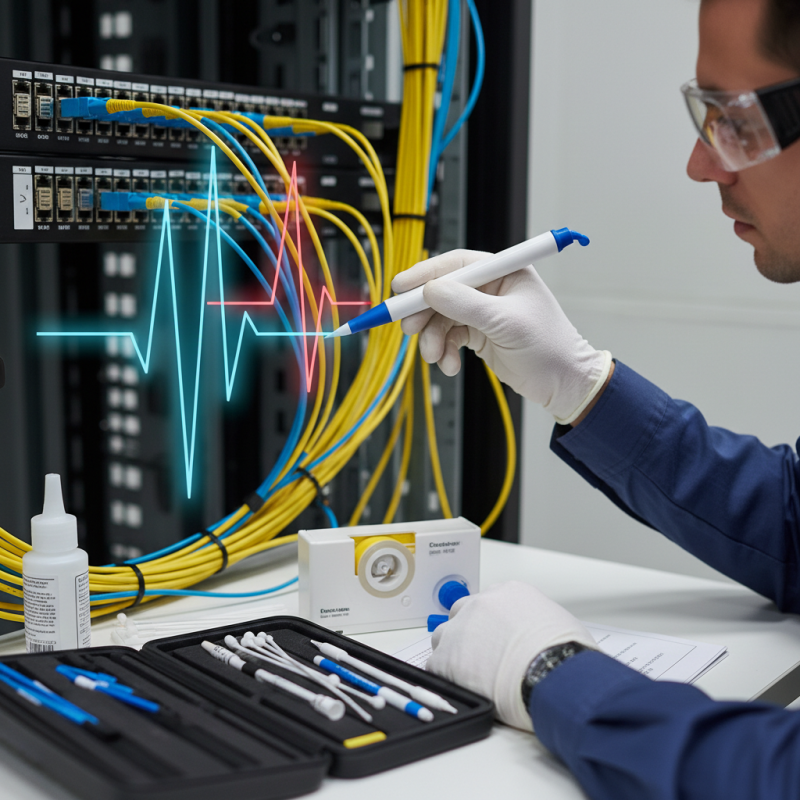
Fiber optic cleaners are crucial tools in maintaining the performance of fiber optic systems. Dirt and dust can severely affect signal quality. When connectors become dirty, it leads to increased attenuation. This can cause slow data transfer or even complete signal loss. Ensuring clean connections is vital for reliable communication.
Understanding your specific cleaning needs is essential. Different environments may require different cleaning solutions. For instance, outdoor installations may encounter more dust and grime. Indoor setups might face moisture and small particles. Each scenario demands a tailored approach. A simple cleaning solution may not suffice. You may need specialized tools designed for unique challenges.
Choosing a fiber optic cleaner involves recognizing these factors. It’s not merely about having a cleaner on hand. Consider the ease of use and effectiveness of the product. Some cleaners may leave residues or scratch the fibers. It’s important to balance efficiency with safety. Testing a few options can provide insights, but be prepared for trial and error. This journey helps shape a reliable cleaning routine for your optical systems.
When selecting a fiber optic cleaner, understanding the types available is crucial. There are several kinds designed for specific cleaning tasks.
Dry cleaners, for example, use a non-abrasive cloth to wipe connectors without moisture. This method is fast and reduces the risk of damage. Ideally, a user should consider this option for routine maintenance.
Wet cleaners involve a solvent that can dissolve grime and dust on the fiber surfaces. They are especially effective in environments with heavy contamination. However, using them requires care. Too much solvent can leave residues, which can impair performance. Users must apply just the right amount.
Mechanical cleaners operate differently. They often use a button-activated mechanism that extends cleaning tips to press against the fiber. This may seem convenient, but it might not remove all contaminants. Regular testing after cleaning can help determine effectiveness. Choosing the right cleaner is about meeting specific needs while considering the environment and fiber type. Recognizing these details ensures better performance and reliability in your fiber optic connections.
When selecting a fiber optic cleaner, several key features can significantly impact your choice. First, consider the type of cleaning method. Some cleaners use dry wipes, while others rely on chemicals or liquids. Each method has its pros and cons. For instance, dry cleaning can be more convenient in the field, but may not remove all residues. Liquids might ensure thorough cleaning but can be messy.
Next, check the compatibility with your equipment. Not all cleaners are suitable for every connector type. Ensure that the cleaner can handle the specific fibers you work with. Additionally, look for features like ease of use. Some cleaners have ergonomic designs that facilitate handling. This can be crucial for prolonged tasks.
Lastly, pay attention to the packaging size. Larger packs may save money in the long run, but they might be cumbersome. Smaller packs offer convenience but can lead to higher costs per use. Make careful choices based on your usage patterns. Reflecting on these aspects will guide you to a suitable cleaner.
Cleaning fiber optic cables effectively is crucial for maintaining optimal performance. Dust and debris can cause signal loss, impacting communication networks. According to a report by the Fiber Optic Association, maintaining clean connectors can improve performance by up to 30%. Thus, using the right fiber optic cleaner becomes essential.
When selecting a cleaner, consider the material compatibility. Some cleaners might damage delicate coatings. For instance, lint-free wipes and specialized cleaning fluids are recommended. Proper technique is equally important. It's vital to follow a specific cleaning sequence: inspect, clean, and then inspect again. A study from the Institute of Electrical and Electronics Engineers highlights that improper cleaning can lead to half of the failures in networks.
Always prioritize safety during cleaning. Use appropriate personal protective equipment, such as gloves and goggles. Poorly maintained cables can pose risks, leading to accidents. Regular training on cleaning techniques can enhance team competence. As networks evolve, so should our cleaning practices. Taking these steps increases reliability and extends the lifespan of fiber optic systems.
| Cleaner Type | Best For | Cleaning Method | Usage Notes |
|---|---|---|---|
| Dry Fiber Optic Cleaner | Routine Maintenance | Swipe Technique | Best for dust and light contamination |
| Wet Cleaning Kit | Heavy Contamination | Solution Application | Use proper solvent to avoid residue |
| Cleaning Swabs | Tight Spaces | Targeted Cleaning | Use carefully to avoid fiber damage |
| Fiber Optic Wipes | General Use | Wipe Method | Pre-moistened for convenience |
| Microfiber Cloths | Fine Dust Removal | Buffing Technique | Use dry to prevent scratches |
Proper maintenance and storage of fiber optic cleaners enhance their longevity and effectiveness. After use, it's critical to clean any residual debris from the cleaner. This step prevents cross-contamination of fibers during future cleaning tasks. Regular inspection is essential. Check for any signs of wear or damage, as compromised tools may cause fiber damage.
Storage plays a vital role in maintaining the integrity of your cleaning tools. Keep cleaners in a dust-free environment. Protect them from extreme temperatures, which can affect their performance. A dedicated storage box can shield them from physical impacts. Always handle cleaners with care to avoid introducing new contaminants.
Consider the frequency of use when planning maintenance schedules. Over time, even high-quality cleaners can lose efficiency. Document your cleaning routines and any signs of degradation. Reflection on these practices can lead to improvements, ensuring that your tools remain reliable for all future cleaning needs.
: Dirty connectors can lead to signal loss and slow data transfer, affecting communication quality.
Consider ease of use, effectiveness, and material compatibility to ensure safe cleaning.
Outdoor environments have dust, while indoor setups deal with moisture and small particles.
Lint-free wipes and specialized cleaning fluids are recommended for effective cleaning.
Follow this sequence: inspect, clean, and inspect again to ensure thorough cleaning.
Always wear gloves and goggles to protect against accidents during cleaning procedures.
Regular training on cleaning best practices can boost team competence and system reliability.
Improper methods can cause significant network failures and reduce system performance.
Testing different cleaners and being open to trial and error can enhance your cleaning process.
Some cleaners can damage delicate coatings on fibers, leading to poor performance.
Choosing the best Fiber Optic Cleaner is essential for maintaining the integrity and performance of fiber optic cables. Understanding the importance of these cleaners involves recognizing how dirt and contaminants can impact signal quality. There are various types of Fiber Optic Cleaners available, each designed for specific applications, ensuring optimal performance in different environments. When selecting a cleaner, it's crucial to consider key features such as type, ease of use, and effectiveness.
Effective cleaning is vital for the longevity of fiber optic connections. Tips for safe and effective cleaning practices include using the appropriate technique and following manufacturer guidelines. Finally, proper maintenance and storage of Fiber Optic Cleaners can extend their lifespan and ensure efficient operation, making it easier to maintain clean and functional fiber optic networks.

KOCENT OPTEC