What is Armored Fiber Cable and Why is it Essential?

Time:2026-07-19 Author:Aria
0%

Armored Fiber Cable has become essential in telecommunications and data networks. John Anderson, a leading expert in the fiber optics industry, states, “Armored Fiber Cable provides unmatched durability and protection in harsh environments.” This makes it a crucial choice for many organizations.

The unique construction of Armored Fiber Cable offers resistance against physical damage. Unlike standard fiber cables, the armored type features a robust outer layer. This design protects against crushing, rodent attacks, and extreme weather conditions. Many businesses rely on this type of cable for their communication needs.

While Armored Fiber Cable seems perfect for many situations, it can be overkill in less demanding environments. In some cases, companies may spend more than necessary. Therefore, assessing the specific needs of a project is vital in determining whether to use Armored Fiber Cable. Experts recommend a careful evaluation to ensure the best choice for every situation.
What is Armored Fiber Cable and Why is it Essential?

What is Armored Fiber Cable?

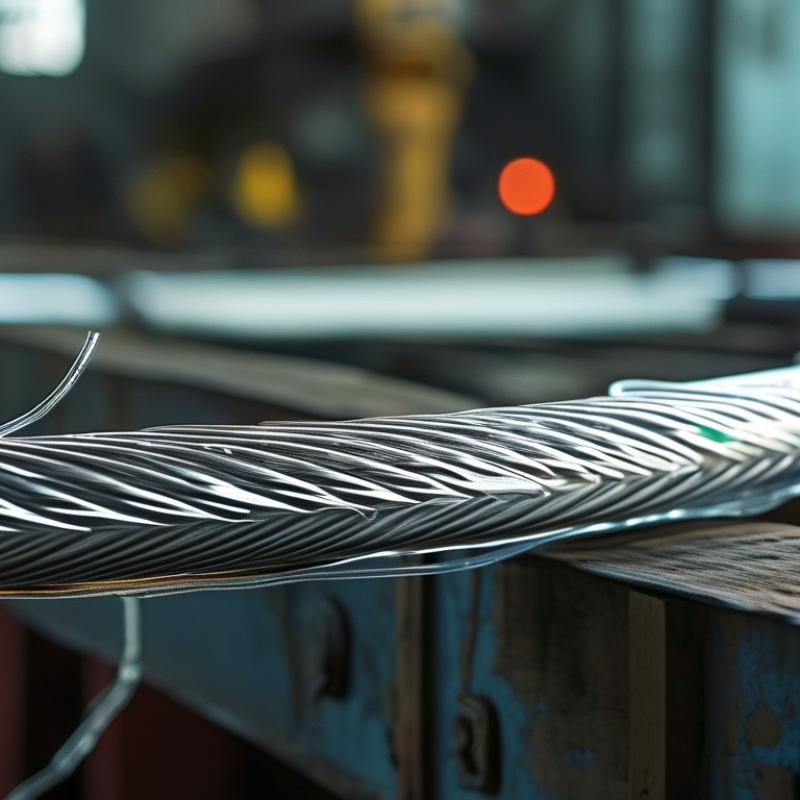
Armored fiber cable is a type of network cable designed with additional protection to withstand harsh environments. This cable has a tough exterior, usually made of materials like steel or aluminum. Such materials protect the delicate fibers inside from physical damage. In many installations, especially those outdoors or in industrial settings, this durability is crucial.

The structure of armored fiber cable makes it more resilient than standard fiber cables. It can resist impacts, pressure, and even rodent damage. This is vital in areas where cables are exposed to potential hazards, including construction sites. When reliable data transmission is key, the choice of armored fiber can prevent many disruptions.

Yet, choosing armored fiber cable also demands careful consideration. It can be heavier and more challenging to install than non-armored variants. The increased protection comes at a higher cost, which may not always suit every budget. This situation requires experts to weigh the pros and cons before making a decision. Understanding these factors ensures better outcomes for network performance and longevity.

What is Armored Fiber Cable and Why is it Essential?

Dimension Description
Material Steel or aluminum outer sheath that provides physical protection
Protection Level Resistant to impact, crush, and rodent damage
Applications Telecommunications, data networks, and outdoor installations
Installation Environment Direct burial, aerial, and underground applications
Benefits Enhanced durability, long lifespan, and high-performance transmission
Cost Typically higher than standard fiber cables but offers better protection

Key Components of Armored Fiber Cable

Armored fiber cables are designed to withstand extreme conditions. They incorporate several key components that enhance their durability. The outer jacket is often made of robust materials. This shield protects the inner fibers from physical damage and environmental hazards.

Inside the cable, you will find multiple thin optical fibers. These fibers transmit data through light signals. They are surrounded by strength members that add structural integrity. In some designs, water-blocking compounds are included. These compounds prevent moisture ingress, which is vital for maintaining signal integrity.

The entire assembly is often wrapped in a layer of armor made from steel or aluminum. This armor is essential for outdoor installations, where cables face potential threats from animals or other environmental factors. Understanding these components helps in assessing the reliability of armored fiber cables in different applications.

Benefits of Using Armored Fiber Cable

Armored fiber cable is a key technology in telecommunications, providing enhanced durability and protection. Its construction includes a robust outer layer that shields against physical damage. This strength is vital in areas with harsh environmental conditions. Reports indicate that fiber optic cable installations face a 30% failure rate due to accidental damage. Armored cables can significantly reduce this risk.

The benefits of using armored fiber cables extend beyond mere protection. They can withstand crushing forces and extreme temperatures, which are common in industrial settings. A study by the Fiber Optic Association revealed that using armored cables can lead to a 50% reduction in maintenance costs over time. This is crucial for companies aiming to minimize downtime and improve productivity.

Moreover, armored cables are often easier to install in challenging terrains. Their rugged quality handles bends and movements better, making them suitable for dynamic environments. However, it’s important to assess specific site conditions before installation. Not every project requires armor; sometimes standard cables can suffice. Analyzing environmental variables is essential for making informed choices.

Common Applications of Armored Fiber Cable

Armored fiber cables are increasingly used in various settings due to their durability and strength. They are designed to withstand harsh conditions, making them ideal for outdoor applications. Many industries, including telecommunications, utilities, and transportation, rely on these cables. In urban areas, armored fiber cables protect data transmission from physical damage. Their robust design safeguards against crushing and rodent attacks.

In the construction sector, armored cables are essential for connecting buildings. They can be buried underground, providing reliable connectivity without the risk of damage. Military and defense applications also benefit from their strength. These cables ensure secure communication in challenging environments. Moreover, they are useful in industrial settings, where machinery can pose risks to standard fiber cables.

While armored fiber cables offer many advantages, they also present challenges. Installation may require special tools and techniques. Additionally, their weight can complicate handling during setup. Organizations must weigh the benefits against these considerations. Consequently, understanding the specific applications can lead to better decision-making.

How to Install and Maintain Armored Fiber Cable

Installing armored fiber cable requires careful preparation and attention to detail. Begin by assessing the installation site. Look for potential hazards such as moisture and sharp objects. Armored fiber cables are built to withstand harsh conditions, but proper installation is key. Ensure you have the right tools and protective gear. This helps prevent accidents and ensures the cable lasts.

When installing, follow manufacturer guidelines. Create a pathway for the cable to prevent kinks. Avoid tight bends and sharp turns. Secure the cable with appropriate fasteners. This step often gets overlooked, but it’s crucial for long-term stability. While working, maintain cleanliness. Debris can compromise the cable's integrity and performance.

After installation, regular maintenance is essential. Inspect connections for signs of wear and tear. Clean the ends of the fibers to eliminate dirt build-up. It's tempting to skip these tasks because they seem minor. However, small oversights can lead to significant issues down the line. Keeping a maintenance log can help track your inspections. This practice promotes accountability and reliability in your network performance.

FAQS

: What is armored fiber cable?

: Armored fiber cable is a durable type of network cable designed to protect delicate fibers inside.

Why use armored fiber cable?

It withstands harsh environments and resists impacts, pressure, and even rodent damage.

What factors should I consider before choosing armored fiber cable?

Consider installation difficulty, weight, and your budget as they all impact usability.

How do I prepare for armored fiber cable installation?

Assess the site for hazards like moisture and sharp objects. Proper preparation is essential.

What should I avoid during installation?

Avoid tight bends and sharp turns. Also, don’t forget to secure the cable with fasteners.

Why is maintenance important for armored fiber cable?

Regular maintenance helps prevent small issues from evolving into major problems over time.

How can I maintain armored fiber cable?

Inspect connections regularly and clean fiber ends to prevent dirt build-up.

What tools do I need for installation?

Use appropriate tools and protective gear for a safe and effective installation process.

Is there a downside to using armored fiber cables?

They can be heavier and more challenging to install compared to non-armored cables.

What can happen if maintenance is neglected?

Neglecting maintenance can lead to significant issues with cable integrity and network performance.

Conclusion

Armored Fiber Cable is a type of fiber optic cable designed with protective metal sheathing to withstand harsh environments and physical damage. It is composed of several key components, including the fiber core, protective layers, and the outer armor, which together provide strength and durability. The benefits of using Armored Fiber Cable include enhanced protection against abrasions, moisture, and rodent attacks, making it ideal for both indoor and outdoor installations.

Common applications of Armored Fiber Cable range from telecommunications and data centers to industrial settings where environmental factors can pose risks. Installing and maintaining this cable involves specific techniques to ensure its integrity while optimizing performance. Overall, Armored Fiber Cable is essential for reliable and secure communication systems, particularly in challenging conditions.


Aria

Aria

Aria is a dedicated marketing professional with a deep passion for innovative strategies and a keen understanding of our company's product offerings. With a wealth of experience in the industry, Aria excels at crafting engaging content that highlights the unique features and benefits of our......